



Dieffenbachia (Dumb Cane) Care: Big Leaves, Low Fuss

By Lauren Cain · Updated October 30, 2026
Dieffenbachia (dumb cane) needs four things to stay big and full:
- Light: bright, indirect light. No harsh midday sun.
- Water: water when the top inch of soil is dry, then drain fully. Never leave it soggy.
- Temperature: 60–75°F, above 55°F, away from drafts.
- Food: a gentle, diluted feeding every 2–4 weeks from spring through early fall. None in winter.
Yellow lower leaves usually mean too much water. The sap is toxic if chewed, so keep the plant out of reach of children and pets.
My first dieffenbachia lived on top of a bookshelf for years. Not because I'd read anything about light. It was just the one spot my toddler couldn't reach.
Lucky me, it turned out to be exactly what the plant wanted: bright and out of the way, with nobody poking at it.
Dieffenbachia (most folks call it dumb cane) looks like it ought to be fussy. Those big paddle leaves splashed with cream and chartreuse, sitting on a thick cane, look like something out of a hotel lobby. In real life it's about as needy as a pothos. Maybe less.
The name is a little grim. It comes from the sap, which can numb and swell your mouth if you chew a leaf. Nobody's planning on chewing a leaf, I know. But if you've got little ones, or a cat that samples everything, where you put it matters, and we'll get to that further down.
Right about now, with the days getting shorter, a lot of dumb canes slow down and drop a bottom leaf or two. People panic. Don't! That's the plant adjusting to less light, and the rest of this guide is how to get yours through winter looking good.
What's in this guide
How Much Light Does a Dieffenbachia Need?
In the wild, dumb cane grows under a forest canopy, so it likes light that's bright but filtered. A few feet back from an east or north window is about perfect. A south or west room works too, if a sheer curtain takes the edge off.
Will it live in a dim corner? Sure. It'll just sulk about it, with slower growth, long bare gaps between leaves, and that sad lean toward the window that tells you exactly where it'd rather be. Hot summer sun straight through the glass is the opposite problem and can bleach the leaves or scorch them brown.
Winter changes things. The sun's weaker, and Clemson Extension says bright light, even some direct sun, is best that time of year. So once it's getting dark at 5 o'clock, I scoot mine closer to the window. A cheap grow light does the job too (our houseplant lighting guide covers the options). And give the pot a quarter turn every few days, or you'll end up with a plant that's all leaves on one side.

Bright but filtered light keeps a dumb cane full and well colored. A few feet back from a sunny window is ideal.
How Often Should You Water a Dieffenbachia?
If your dumb cane is unhappy, I'd bet money it's the watering. Nine times out of ten it's too much water, not too little. That thick cane stores plenty on its own, and roots left sitting in wet soil will rot.
So poke a finger in first. If the top inch is dry, water until it runs out the bottom, then empty the saucer. Still damp? Walk away and check again in a couple days. In summer that usually works out to about once a week, and in winter it can stretch to every other week or longer depending how warm you keep the house.
I watered on a schedule for years instead of checking, and I've killed my share of houseplants because of it. Learn from me. If you think you've already overdone it, start with our overwatered plant recovery guide. Watering the right way covers the basics for every other pot in the house.

Water when the top inch is dry, then drain fully. Consistency matters more than volume.
What Temperature and Humidity Does Dumb Cane Like?
Dieffenbachia comes from Central and South America, where it's warm and sticky most of the year. Indoors it's happiest between 60 and 75°F. Below 55°F, it starts to suffer.
What it really can't stand is a cold draft. That spot by the front door that gets blasted every time somebody comes in? Bad spot. Same goes for a leaky old window in January, or right on top of a heat vent. When leaves droop and fall off while they're still green, cold is usually the reason.
Then there's furnace season. A Kansas City winter dries my house out so bad my knuckles crack, and the plants feel it too. Crispy brown leaf edges are how a dumb cane tells you. A pebble tray, a little humidifier, or just bunching your plants together all help, and our houseplant humidity guide has more ideas. Got a bathroom with a decent window? That might be the best seat in the house for it. For the rest of your plants, see our winter indoor plant care checklist.

Warm, draft-free air and a well-drained pot are most of the battle.
What Soil and Fertilizer Does a Dieffenbachia Need?
Any good all-purpose potting mix works, as long as it drains. If yours stays soggy for days, mix in a handful of perlite. And please use a pot with a hole in the bottom. Those pretty pots with no drainage are where dumb canes go to die.
Repot every couple years, or when you see roots poking out the bottom. Go up just one pot size, and do it in early spring if you can. Our guides on the best potting mix for indoor plants and repotting without the stress walk you through it.
Now, feeding. Those huge leaves take a lot of energy to build, so a little food during the growing season goes a long way. Clemson Extension recommends a half-strength liquid feed every two to four weeks, March through September, then nothing over winter. Less really is more here. Too much fertilizer burns the leaf edges, which is a lesson I learned the hard way more than once.
That's a big reason I make Plant Juice the way I do. It's a living, microbe-based feed, so there's no salt spike to scorch the roots. It feeds the soil life instead, and the soil life helps the plant pull in nutrients at its own pace.
When we had it lab tested, it turned up 291 verified species of beneficial microbes. One of the biggest crowds in there is Pseudomonas putida, at about 1.22 million cells per mL. It belongs to a group known for supporting healthy roots and crowding out disease. You'll also find Devosia insulae, a root-colonizing microbe, and a soil fungus called Mortierella alpina (we wrote a whole Mortierella spotlight if you're curious). You'll never see any of them. They're just down there doing the boring, important work while you get the compliments on your plant.
Simple dumb cane feeding routine: a diluted dose of Plant Juice every 2–4 weeks, spring through early fall. Skip winter. Pair it with bright indirect light and even watering, and the big new leaves take care of themselves. More detail in our houseplant fertilizer guide.
How Do You Fix a Leggy Dieffenbachia?
Give a dumb cane enough years and it starts to look like a little palm tree, with bare cane on the bottom and a tuft of leaves on top. That's normal, and some people like the look. If you don't, it's an easy fix.
Keep rotating it so it grows straight. Then don't be scared to cut it. Clemson Extension says you can take a long bare stem all the way back to about 6 inches, and new growth will come from below the cut. The first time feels drastic, but the plant bounces back.
Even better, the top you cut off is a whole new plant. Let the cut end dry for a day and stick it in water or damp soil. Chunks of bare cane laid on moist soil will sprout too. Our guide to propagating houseplants has the details. Wear gloves while you cut, though, and the next section is why.
Is Dieffenbachia Toxic to Kids and Pets?
Yes. Every part of the plant is loaded with tiny needle-shaped crystals of calcium oxalate. Bite a leaf or stem and they cause mouth and throat pain, burning, drooling, and swelling. The sap can irritate skin, and it really hurts if it gets in your eyes. The ASPCA lists it as toxic to both dogs and cats.
Now for the reassuring part: most of the time it's mild. A poison center study of 188 plant ingestions found only 2.1% caused any symptoms, and those were minor and short-lived. Doctors have written up rare cases where the throat swelled badly, though, so I wouldn't brush it off either.
If someone chews a dieffenbachia: have them spit out any plant pieces and rinse their mouth with water. Call Poison Control at 1-800-222-1222 (US). For a pet, call your vet or the ASPCA Animal Poison Control Center at (888) 426-4435 (a fee may apply). Call 911 right away for any trouble breathing or swallowing.
Lots of families grow dumb cane with no trouble at all. Mine went up high and that was the end of it. But if you have a crawler, or a cat that treats houseplants like a salad bar, it might make more sense to pick something non-toxic for a few years. Our lists of pet-safe plants and pet-safe fertilizers, plus our look at synthetic chemicals around kids and pets, are good next reads.
Why Are My Dieffenbachia Leaves Yellow? Common Problems and Fixes
| What you see | Likely cause | Fix |
|---|---|---|
| Yellowing lower leaves, soft stem | Overwatering or poor drainage | Let the top inch dry; make sure the pot drains |
| One or two bottom leaves yellow over months | Normal aging | Remove them; nothing else needed |
| Brown, crispy leaf edges or tips | Dry air or uneven watering | Pebble tray or humidifier; water on a steadier rhythm |
| Curled leaves with burnt edges | Too much fertilizer | Flush the pot with clean water; feed lighter |
| Leggy stem, big gaps between leaves | Not enough light | Brighter indirect light; rotate; prune to refresh |
| Leaves droop and drop without yellowing | Too cold (below 55°F) or a draft | Move away from doors, windows, and vents |
| Faded, washed-out leaves | Harsh direct summer sun | Pull it back from the glass or filter the light |
| Pale, small new leaves in summer | Hungry in the growing season | Light feeding every 2–4 weeks, spring to early fall |
| Cottony white clumps or fine webbing | Mealybugs or spider mites | Isolate the plant and treat early |
Still scratching your head? Our guides to yellow leaves and their causes, 12 leaf signs your plant is giving you, and organic indoor pest control cover each of these in depth.

Get light, water, warmth, and a gentle feeding right, and a dumb cane gives you bold foliage all year.
Real Gardeners, Real Results
I'd rather you hear it from them than from me.
Linda W.
The plant that was in my granddaughters room, got some kind of a disease or something was going on with it, lost most of its leaves, and my granddaughter was ready to throw it away, and I was bound and determined to save it. So you can see from the video That after I started using El dirt the plant fertilizer that it has lots of new growth and one steam got so tall almost to the ceiling and I wouldn’t want it that tall so I cut off one of the main stands and it already has new growth
I’ve also used the bloom dirt and my plants thrive

William H.
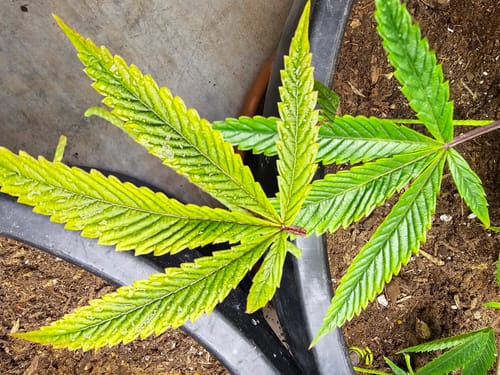
Before Elm dirt plant juice my plant was turning yellow when it should be taking off. Picture shows before leaf with treated below.
I thought it was dying. Now it's turning green and growing. Yellow leaves are turning green.
I have used before and quite pleased with the results.
Thank you Elm Dirt
Mike R.
Was having a yellow leave tips , by the end of first week saw a change and by 2nd week it was green with new growth

Plant Juice is rated 4.65 out of 5 across 1,793 customer reviews.
Frequently Asked Questions
How much light does a dieffenbachia need?
Bright, indirect light is best. Place it a few feet back from an east- or north-facing window, or behind a sheer curtain in a brighter room. It tolerates lower light but grows slower and leggier. In winter, brighter light, even some direct sun, is fine and helps it keep growing.
How often should you water a dieffenbachia?
Water when the top inch of soil is dry, which is usually about once a week in the growing season and less often in winter. Water thoroughly and let the excess drain out. Never let the pot sit in water, because soggy soil causes root rot.
Why are my dieffenbachia leaves turning yellow?
The most common cause is overwatering or a pot that drains poorly. A few of the lowest leaves yellowing and dropping over time is normal aging. Other causes are low light, cold drafts, and a lack of nutrients during the growing season.
What temperature does a dieffenbachia need?
Dieffenbachia grows best between 60 and 75 degrees Fahrenheit. Keep it above 55 degrees, since cold can make leaves droop and drop without yellowing first. Keep it away from cold windows, exterior doors, and heating or cooling vents.
Should you fertilize a dieffenbachia?
Yes, lightly from spring through early fall. Clemson Extension recommends a liquid foliage fertilizer at half strength every two to four weeks from March through September. Skip feeding in winter, and avoid heavy doses, which can burn leaf edges.
Is dieffenbachia toxic to pets and kids?
Yes. All parts contain needle-like calcium oxalate crystals that cause mouth and throat pain, burning, drooling, and swelling if chewed. Most exposures are minor, but swelling can occasionally be serious. Keep the plant out of reach, and call Poison Control at 1-800-222-1222 or the ASPCA Animal Poison Control Center at (888) 426-4435 if someone chews it. Call 911 for any trouble breathing or swallowing.
Big, Bold Leaves Without the Worry
So that's the whole deal. Give it bright light that isn't harsh, water when it's dry, keep it warm, and feed it a little in summer. Keep it out of reach of little hands and paws, and don't lose sleep over the odd yellow bottom leaf.
Do that and you'll have a big, dramatic green plant in the corner all winter long, right when everything outside the window has gone brown and gray.
Want more? Keep those cream-and-green patterns vivid with our guide to caring for variegated plants, or check out feeding dracaena, another big-leaf favorite with similar needs. And if you'd like one small gardening win in your inbox each week, join the Elm Dirt email list. We're all growing this together.
Sources & further reading:
Clemson Cooperative Extension, Home & Garden Information Center: Dieffenbachia (HGIC 1503).
University of Florida IFAS Extension, Gardening Solutions: Dieffenbachia. (Note: UF/IFAS predicts dieffenbachia could become invasive in Florida's natural areas, so Florida gardeners should keep it indoors.)
Mrvos R, Dean BS, Krenzelok EP. Philodendron/dieffenbachia ingestions: are they a problem? Journal of Toxicology: Clinical Toxicology. 1991;29(4):485–491. doi:10.3109/15563659109025745.
ASPCA Animal Poison Control: Dieffenbachia (toxic to dogs and cats).
Poison Control (National Capital Poison Center): Dieffenbachia and Philodendron.

Lauren Cain
Founder & Chemical Engineer · Elm Dirt, Kansas City
Lauren started Elm Dirt after her 6-month-old daughter grabbed fistfuls of backyard dirt and ate them. As a chemical engineer and a mom, she couldn't stop asking what was actually in that soil, so she dug into soil science and built a fertilizer line around beneficial microbes instead of synthetic chemicals. Today Elm Dirt products are used by home gardeners, rose show champions, and organic growers nationwide.