



How Worm Castings Changed My Garden — A Before and After Story

The short version, if you're in a hurry
What changed: greener leaves in about three weeks. Steadier growth without me feeding constantly. Soil that quit crusting over after rain. And houseplants that finally, finally put out a new leaf.
How much I used: 10–25% castings mixed into potting soil. Or about a quarter cup scratched in around each plant in the ground, every 4–6 weeks.
What they won't do: save a plant that's sitting in a dark corner or drowning in a pot with no drainage hole. Castings fix soil. That's it. That's the job.
Alright. I'm just going to say it.
I used to kill plants. Regularly. Enthusiastically, almost.
Not on purpose, obviously — I wanted the whole thing. The tomatoes. The herbs on the windowsill. That garden where you walk out barefoot in June with a coffee and a colander. But something was always a little bit off. Plants would look decent for two or three weeks and then just… quit. Yellow. Sulky. No new growth anywhere. And my solution, every time, was to throw more fertilizer at them, which (I know this now) was making it worse.
Then somebody at a garden club talk mentioned worm castings, and I went home and looked it up, and I thought: absolutely not.
Because "worm poop" is not the miracle you're hoping for when you've just watched a $40 hydrangea die.
But stick with me here. What happened in my beds over the next season genuinely surprised me, and I'm the person who's paid to be skeptical about this stuff. This is a real before and after. Not a photoshoot.
"I wasn't after a magic fix. I was just tired of watching plants struggle in soil that I was slowly figuring out had nothing alive in it."
My Garden Before Worm Castings (The Unflattering Version)
Two seasons into my raised beds. I was using whatever granular stuff the big box store put at eye level — the bag with 10-10-10 on the front — and honestly? It sort of worked.
Sort of.
The plants weren't dying. They just weren't alive, if that makes any sense at all. Getting by. Punching the clock. Not one of them looked like it was enjoying itself.
Here's the stuff that kept happening, year after year:
❌ Before
- Pale, washed-out leaves on nearly everything
- Growth that flat-out stalled by mid-July
- Blossom end rot on my tomatoes. Every. Single. Year.
- Basil bolting in the first heat wave and going bitter
- A pothos that had not grown one inch in eight months
- Soil that crusted over like a cracker after every rain
- Feeding constantly just to get any reaction at all
✅ After
- Deep green leaves, top to bottom
- Steady growth without me hovering with a watering can
- Blossom end rot mostly gone (more on that below — I want to be careful here)
- Herbs still going strong into September
- That pothos is now, frankly, a menace to the bookshelf
- Soil that stayed loose. Crumbly. The good stuff.
- Less fertilizer overall, because the soil was doing more of the work
None of that happened overnight, and I want to be honest about that. But it happened. And once I understood why it happened, going back to the old way felt a little silly.
If your garden is parked in that same stuck place right now, go read our 5 signs your garden soil needs help. I checked four of those five boxes. Wasn't thrilled about it.

Why They Work (The Science, Minus the Headache)
I'm a chemical engineer. I can't use something until I understand how it works — it's a personality flaw, my husband would tell you. So I went digging. Literally and figuratively.
Here's the whole thing in one line:
Synthetic fertilizer feeds the plant. Worm castings feed the soil, and then the soil feeds the plant.
That's a completely different idea, and it turns out that difference is everything.
When organic matter goes through a worm's gut, it comes out the other end loaded with microorganisms. Bacteria, fungi, protozoa. And those microbes don't just sit there looking pretty. They go to work:
- Releasing nitrogen from organic matter into a form roots can actually grab
- Unlocking phosphorus that was chemically stuck and useless in your soil
- Fighting off pathogens — the ones that cause root rot and knock down seedlings
- Building structure — the sticky stuff microbes make is literally what holds soil crumbs together
- Sending growth signals like auxins, which tell roots to branch out and go looking for more
You're not adding fertilizer. You're putting an ecosystem back. That's the whole idea behind living soil, and once it clicks, you can't un-see it.
And no, this isn't just me being excited about worms
A meta-analysis in Agronomy for Sustainable Development pulled together results from a big pile of vermicompost studies — that's the scientific word for worm castings, in case you were wondering why nobody in a lab coat says "worm poop" — and found real, measurable effects.
*Blouin et al., "Vermicompost significantly affects plant growth. A meta-analysis," Agronomy for Sustainable Development (2019). These are averages pooled across a lot of trials — your beds, your dirt, your weather will land somewhere on that curve, not exactly on the number.
That root number is the one that got me. Bigger roots means the plant can go find its own water and its own nutrients instead of waiting on me. Which is exactly why my garden needed less babysitting the following summer.
The microbes have names, by the way
This is where I get insufferable at dinner parties, so I'll keep it short. The organisms doing this work aren't some vague "beneficial blend" on a label. They're specific species with specific day jobs:
- Azospirillum — pulls nitrogen right out of the air and hands it to the roots
- Pseudomonas putida — frees up stuck phosphorus, elbows out root pathogens
- Trichoderma — a fungus that moves in on the roots and plays bodyguard against other fungi
- Mortierella — basically extends how far the root system can reach
- Bacillus subtilis — makes its own antifungal compounds down in the root zone
- Comamonas terrigena — cycles nutrients and helps roots develop
Those aren't marketing words. Those are real organisms doing real biochemistry about six inches under your tomatoes, right now, while you read this. We write about a different one every Thursday if you want to fall down that hole — start here.
The nutrients in castings are already in a form plants can use, so they can start feeding almost right away. The microbes take a few weeks to really move in and settle, and then they keep releasing more for months. Fast start, slow burn. Best of both.
How Much Do You Actually Use? (And How Often?)
This is the question I get more than any other, and it's the one nobody seems to answer straight. So here's the chart I actually use. Print it, screenshot it, tape it inside the shed door. I don't mind.
| Where you're using them | How much | How often |
|---|---|---|
| New potting mix / containers | 10–25% castings by volume (roughly 1–2 lbs per 2 cu ft bag of mix) | At planting, then top dress |
| Plants already in the ground | ¼ cup around the base, scratched into the top inch | Every 4–6 weeks in season |
| Whole raised bed | A light ½-inch layer worked into the top few inches | Spring, then a top-up mid-season |
| Houseplants | Thin top dressing, or 10–20% blended into fresh mix at repotting | Every 4–6 weeks |
| Seed-starting mix | 10–20% blended in | Once, when you mix it |
| Worm casting tea | 1 cup castings steeped in 1 gallon of water, 24–48 hrs | As a boost, every 2–4 weeks |
For what it's worth, Oregon State Extension and Utah State Extension both land in about the same range. Which was a relief, honestly, because for the first couple years I was mostly guessing.
One caveat, and it's the only one that matters. You can't burn a plant with castings. Genuinely, you cannot. But pure castings are dense and fine-textured, and a container plant that has to live in there until October wants something fluffier underneath it for drainage. So blend them in. Don't plant straight into the bag.
-
New beds and containers. I stir 10–25% castings into the mix before anything goes in the ground. The germination difference showed up inside the first week and I remember standing there going, huh.
-
Stuff that's already planted. Quarter cup around the base. Scratch it into the top inch. Water it in. Once a month. That's the whole routine and it takes me about ten minutes for the entire bed.
-
Houseplants — this one shocked me. Thin layer on top of my pothos and my fiddle leaf fig, watered in. No smell. No mess. No gnats. Both of them pushed new leaves inside three weeks. Our houseplant fertilizer guide has the full indoor routine if that's your thing.
-
Worm casting tea. Cup of castings, gallon of water, let it sit a day or two, then water with it. Gets the soluble stuff and the microbes down to the roots fast. Worth knowing the difference between actual worm tea and the brown liquid at the bottom of a bin, though — they are not the same thing. We covered it in leachate vs worm tea.
-
Seed starting. 10–20% castings in the mix. Germination got noticeably better and I stopped losing seedlings to damping off — that heartbreaking thing where they keel over at the soil line overnight. More on mixes in best potting mix for seed starting.

Elm Dirt Worm Castings — Class A Verified
From $14.99 · 3rd-party verified Class A compost · Safe around edibles, seedlings, kids & dogs · 4.89★ from 46 reviews
What Happened, Plant by Plant
Vague before-and-afters don't help anybody decide anything. So: crop by crop, including the parts that are less exciting than I'd like them to be.
Tomatoes
The blossom end rot mostly went away. And I want to slow down here, because I've seen people claim castings "cure" blossom end rot and that's just not true.
Blossom end rot is a calcium delivery problem, not usually a calcium shortage problem. The biggest culprit is uneven watering — when the soil swings from soaked to bone dry, the plant can't move calcium out to the fruit, and you get that sunken brown patch on the bottom.
What the castings did was smooth out the swings. The soil held moisture better and stayed evenly damp instead of going from swamp to concrete. That's the actual mechanism. If you're still fighting it, we walk through the rest in the organic fix for blossom end rot, and how to fertilize tomatoes organically handles the feeding side.
Herbs — basil, cilantro, parsley
My basil went from bolting the second week of July to still giving me pesto in September. My read on it? Steady, gentle feeding, instead of a big slug of nitrogen that shoves out soft growth and then leaves the poor thing stressed and confused.
The flavor was better too. That part's subjective and I'll own it. But my neighbor said it unprompted, so.
Squash and cucumbers
Heavy feeders, and they showed the biggest change of anything. Thicker vines, way more lateral growth, still fruiting deep into August. I had one cucumber plant keep going right up to first frost, which had never happened to me before, not once.
Houseplants
Biggest surprise in the whole experiment, if I'm honest.
Potting mix is basically a biological desert. It comes out of the bag sterile and it pretty much stays that way, and then we wonder why our plants sit in the same pot for a year doing absolutely nothing. Adding castings gave those pots an actual living community. Plants that had been idling for months just… started again. No repotting. No fuss. Top dress, water, walk away.
And what didn't change
My fern in the dark hallway is still miserable. Because the problem is light, and castings can't do a thing about light. Same goes for a pot with no drainage hole — no amount of worm castings will save a plant that's drowning.
I'd rather tell you that now than have you buy a bag, get annoyed, and blame the worms.
What Other Gardeners Are Seeing
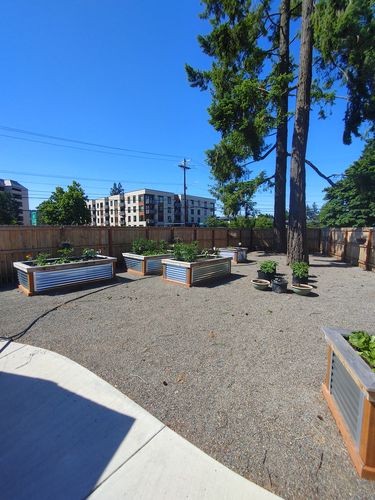
"I have used Elm Dirt products in my 1st time ever raised beds garden boxes. Each plant has there premier worm castings. I feed twice a month with Plant Juice and every 6 weeks with Bloom Juice. I started my garden in mid May from 2" starter pots. I'm very please with the progress of my garden and the natural organic products I use."
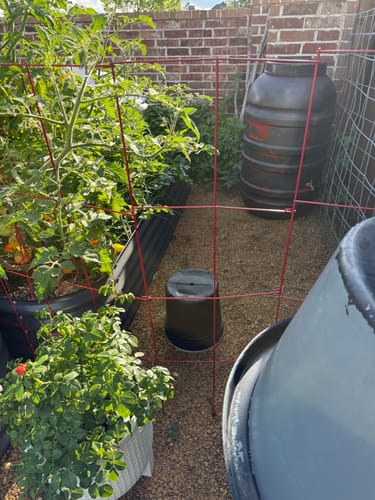
"I live in Texas and the soil is really thick clay. We call it gumbo down here and there's a lot of plants that do not like my soil. Worm castings has really helped my plants through the tough soil."

"I am not sure which one of the products I purchased that has been so helpful for my plants, the 'Elm Dirt' or the Worm Castings since I use them together. I just purchased many succulents and some garden plants. They are all thriving since I started using the products. I will definitely continue to use both products since I have never had any luck with keeping them alive!"
"These worm castings are so easy to add to soil when repotting or use as a light top dressing. I've seen more vigorous growth in all my house plants since adding this to their soil and those that bloom are doing so beautifully!"
Elm Dirt Worm Castings currently average 4.89 out of 5 stars across 46 verified customer reviews.
Not All Worm Castings Are the Same (I Learned This the Hard Way)
My first bag came from a big box store and it was, near as I could tell, mostly dried-out dirt with a rumor of worms in it. I saw nothing. Nada. And I very nearly wrote the whole idea off right there.
So — what actually matters when you're standing in the aisle holding two bags:
- Certification. Class A compost verification means somebody independent tested that bag for pathogens and heavy metals against the strictest tier there is. Ours carries it. That's not a slogan, that's a lab result with a piece of paper behind it.
- Moisture. Good castings feel a little damp and smell like the woods after a rain. If it's bone dry and dusty, the biology has gone to sleep. Or worse.
- What the worms ate. Feedstock matters more than people realize. Our Red Wigglers get a varied diet, which gives you a broader mix of microbes than worms fed one single thing over and over.
- Fillers. Lots of brands stretch castings with peat or wood fines or plain compost. Some bags are 20% castings and 80% filler. Read the label. Then read it again.
- The bag itself. Resealable holds moisture, and moisture keeps the microbes alive on your shelf. Ours ships that way for exactly that reason.
Our Worm Castings are third-party verified Class A compost. You can put them on food you're going to eat. You can use them with a toddler crawling around the bed and a dog eating things she shouldn't.
That last part matters to me more than any of the rest of it. As a mom. And as a chemical engineer who reads the fine print, because I know exactly what's hiding in it.
Still torn between castings and regular compost? We laid it all out in worm castings vs compost. And if you want to go deeper on the biology, the science of worm castings is where I put the stuff my family won't let me talk about at the table.
The Pairing That Made the Biggest Difference
Castings on their own? Good. Castings plus a liquid biofertilizer? Better. Here's why the two of them together work the way they do.
Worm castings build the long game. Structure, biology, soil that holds water. Slow burn, whole season.
Plant Juice is the right now. Living microbes and soluble nutrition delivered straight down to the roots, fast.
One's the foundation. One's the jumper cables.
Plant Juice is also where our third-party lab work lives. BiomeMakers analyzed it (report CUX005) and found 291 verified microbial species in there — 80% of them capable of nitrogen release, 84% producing auxin growth hormones, 56% showing antifungal and biocontrol activity, 27% freeing up locked phosphorus. It's CDFA Certified Organic, which is the certification that actually applies to fertilizers.
Rickey J., up there in the reviews, runs exactly this routine — castings in the beds, Plant Juice twice a month, Bloom Juice every six weeks once things start flowering. Which is almost exactly where I ended up myself, and I didn't tell him to do that. He just figured it out.
Building a routine from scratch? Our garden feeding guide lays out the whole calendar, and the complete worm castings guide puts everything in one place so you're not clicking around.
Worm Castings + Plant Juice
Castings build the soil. Plant Juice feeds it today. It's the pairing most folks start with, and there's a reason for that.
Questions I Get Asked All the Time
How long before I see anything?
Better color and fresh growth usually show up in 2–4 weeks. The bigger stuff — drainage, water holding, soil that stays crumbly instead of turning to brick — that builds over a whole season. Patience genuinely pays off with this one.
How much worm castings do I add to my soil?
Blend 10–25% into potting mix by volume. Side dress about ¼ cup around each in-ground plant every 4–6 weeks. Top dress houseplants with a thin layer on the same schedule. The university extension folks land in about the same range, so you're in good company.
Can I use too much?
You won't burn a plant, no matter how heavy-handed you get. That's one of the genuinely great things about castings. The one thing to watch: pure castings are dense and fine, so for a container that has to last all season, blend them into something fluffier so the roots can still breathe.
Are they better than compost?
They're more concentrated. Going through the worm's gut produces a finer, more uniform material with a lot more microbes and nutrients that are already plant-ready. But compost is still great for bulk organic matter — most gardens want both. Think of castings as the espresso version.
Do they work for houseplants?
Yes, and it's honestly the easiest place to start. No odor. No burn risk. The microbes bring life back to potting mix that's gone flat and tired. Mix 10–20% into fresh mix when you repot, or just top dress a thin layer every 4–6 weeks.
How often should I put them down?
Every 4–6 weeks through the growing season is plenty for most gardens. Heavy feeders — tomatoes, squash, cucumbers — do better on the shorter end of that.
Safe around kids, dogs, and the vegetable patch?
Yes. Elm Dirt Worm Castings are third-party verified as Class A compost, which means tested for pathogens and heavy metals against the strictest standards there are. No synthetic chemicals, no harsh salts, nothing that'll burn. Safe on everything you plan to eat. That was a huge part of why I switched in the first place.
The Bottom Line
I came into this a skeptic. A chemical engineer who'd spent years thinking about soil as a set of NPK numbers and not much else. Worm castings made me tear that whole mental model up.
They're not magic. They will not rescue a plant that's short on light, or sitting in water, or planted in the wrong month because you got impatient in March (guilty). But in a garden where you've got the basics right — decent soil, enough water, enough sun — castings are the thing that tips you from "my plants are surviving" to "my plants are showing off."
You can see the difference. And once you've seen it, it's real hard to go back.
So if your garden's felt stuck — if you keep feeding and watering and nothing responds the way it ought to — I'd start here. Not because it's trendy. Because the biology is real, the microbes are real, and what happened in my beds has been pretty hard to argue with.
Go dig around. Let me know what happens.
Ready to try it?
Elm Dirt Worm Castings — 3rd-party verified Class A compost. From $14.99, in a resealable bag that keeps the biology alive on your shelf.
