



Overseeding Your Lawn This Fall: The Organic Guide That Actually Works

Overseeding your lawn in fall is the single best thing you can do for a thicker, greener yard next spring. And you can do the whole thing organically, no synthetic chemicals needed.
The Short Answer
Overseed a cool-season lawn when 2-inch soil temperature is cooling through 55 to 70°F, and finish at least 45 days before your average first hard frost. Mow to 2 inches, rake out thatch, spread 3 to 4 pounds of tall fescue seed per 1,000 square feet, topdress with a quarter-inch of compost or worm castings, then water lightly two to three times a day for the first two weeks.
Skip the synthetic starter fertilizer. Use a living-soil fertilizer instead: Elm Dirt Plant Juice at 2 to 3 ounces per gallon, sprayed at seeding and every two weeks after. One 32 oz bottle covers about 2,000 square feet, and it will not burn seedlings.
You know that patch by the back steps? The one that's been thin for three summers no matter what you throw at it. I had one of those for years.
And for years I did the same thing every April. Threw seed at it, watered it, waited. About half came up. The other half never had a chance, because the crabgrass woke up first and ate its lunch.
Then a neighbor talked me into seeding in September instead. I figured she was wrong. She wasn't. The soil's still holding summer's warmth, the air has finally quit being miserable, and the weeds are packing it in for the year. Your seed gets a clear runway it just never gets in spring.
So here's how I do it now. Seven steps, no synthetic bag required.
What Overseeding Actually Means
Overseeding just means spreading new seed over the lawn you already have. You're not tearing anything up. You're not renting a sod cutter. You're filling in the thin, tired, patchy spots so the whole thing grows in thick again.
And thick is the whole point. A dense lawn crowds weeds out before they get a foothold, holds your soil in place when it rains sideways, and hangs on through a dry August a lot better than a thin one. Thick grass is the cheapest weed control you'll ever buy.
Most folks come to overseeding for one of these:
- Bare or thin patches from foot traffic, pets, or shade
- A lawn that's gone dull and just won't green up like it used to
- Old grass that's lost its vigor and needs fresh, younger blades mixed in
If any of that sounds like your yard, fall is your window. If you've got true bald spots, my organic fix for lawn bare spots pairs perfectly with this guide. And if you're new to all of this, start with the complete guide to organic lawn care.

Why Fall Beats Spring for Overseeding
Grass seed wants two things that almost never show up together: warm soil to wake it up, and cool air so it isn't fighting for its life the minute it sprouts. Spring gives you cool air and cold dirt. Summer gives you warm dirt and brutal air. Fall hands you both at once, and it only does it for a few weeks.
Which brings me to the mistake I made for years. I seeded by the calendar. Third weekend of the month, that's seeding weekend, done. But your seed has no idea what the calendar says. It responds to soil temperature, full stop.
Spend the eight dollars on a soil thermometer. Stick it in 2 inches deep, first thing in the morning, and let that number tell you when to go. It's the single best gardening purchase I've ever made, and it looks like a meat thermometer.
You're in the window when:
- Two-inch soil temperature is cooling through 55 to 70°F
- Daytime air sits around 60 to 77°F
- You're at least 45 days out from your first hard frost
Purdue Extension pins the sweet spot for cool-season turf at August 15 to September 15 here in the Midwest. Slide that later if you're south of us, earlier if you're up north.
Hit that window and your new roots get six to eight solid weeks in the ground before everything goes dormant. Then March rolls around and your grass wakes up already established, already anchored, while the yard across the street is still mud.
How Much Grass Seed Do You Actually Need?
This is the question that lands in my inbox more than any other, and the answer catches people off guard: overseeding takes about half the seed of a brand-new lawn. You've already got grass out there. You're patching gaps, not starting from scratch.
| Grass type | Overseeding rate | New lawn rate |
|---|---|---|
| Turf-type tall fescue | 3–4 lbs / 1,000 sq ft | 6–8 lbs / 1,000 sq ft |
| Perennial ryegrass | 3–5 lbs / 1,000 sq ft | 6–9 lbs / 1,000 sq ft |
| Kentucky bluegrass | 1–2 lbs / 1,000 sq ft | 2–3 lbs / 1,000 sq ft |
Check your bag first, though. The premium and coated blends set their own rates and they're usually right.
And whatever you do, don't do what I did the first year. I figured if 4 pounds was good, 8 had to be better. Buried that lawn in seed. What I got was a carpet of skinny little seedlings all elbowing each other, staying damp, going nowhere. Then damping-off (that's a soil fungus that rots seedlings right at the base) came through and took most of it.
Cornell's turfgrass folks put it plainly: too much seed just creates too much competition. More seed does not equal more grass. It equals a mushy disappointment and forty dollars in the trash.
How to Overseed Your Lawn Organically: Step by Step
Here's the whole thing. Do these in order and you'll actually get grass, not a bag of birdseed.
1. Mow low and rake
Cut the lawn shorter than you normally would, down around 2 inches. Then get in there with a stiff rake and pull up the thatch and dead stuff.
This part is not fun. Your shoulders will let you know about it the next morning. But seed that lands on a mat of old clippings never touches dirt, and seed that never touches dirt never sprouts.
2. Loosen the soil
Here's a trick that'll save you a rental fee. Push a screwdriver 6 inches down into your lawn. Slides in easy? Your soil's fine, skip the aerator entirely. Have to lean on it with both hands? That's compaction, and it's worth renting a core aerator.
Run the aerator right before you seed. Those little holes it pulls make perfect pockets for seed to fall into.
3. Spread your seed
Pick a blend that matches your region and how much sun that area actually gets, not how much you wish it got.
Now set your spreader to half the recommended rate and go over the lawn twice, with the second pass crossing the first at a right angle. Sounds fussy. It's the difference between an even lawn and one with racing stripes.
Rake lightly when you're done. You want that seed covered by about an eighth of an inch, no more. Bury it deeper than that and it'll run out of steam before it reaches daylight.
4. Topdress with compost or worm castings
Nearly everybody skips this one. It's also the step that decides whether the whole afternoon was worth it.
A thin quarter-inch of compost does three jobs at once: it holds moisture against the seed, it hides that seed from every bird in the neighborhood, and it puts living biology right where the new roots are about to show up.
I use Ancient Soil, our Class A certified compost made from worm castings (starts at $29.95 for 2 lbs). Think of it as tucking the seed in.
5. Feed the soil, not just the seed
I'd skip the synthetic starter fertilizer here. Not because it's evil, but because it's mostly salt, and salt lands hard on a two-week-old seedling that hasn't built any roots yet. Get the rate a little wrong and you'll scorch the very grass you're trying to grow.
What I do instead is feed the soil life that helps that seed get established in the first place.
I spray Plant Juice ($19.95 for 16 oz) the day I seed and every two weeks after. Two to three ounces per gallon in a pump sprayer, walk it across the lawn, done in ten minutes. A 32 oz bottle covers about 2,000 square feet.
It's CDFA Certified Organic, and it won't burn a seedling, because there's no salt load to burn with. If you want to see the two side by side, I broke it down in choosing a starter fertilizer for grass seed and organic fertilizer for grass seed.
6. Water lightly and often
New seed cannot dry out. Not for an afternoon. Once a sprouted seed dries, it's gone, and no amount of watering brings it back.
So water light and often, two or three times a day for the first couple weeks. You're not soaking anything. You're just keeping that top inch damp. Once the grass is up and growing, switch to deep and infrequent like normal.
7. Stay off it
Kids, dog, mower, all of it stays off until the new grass hits 3 inches. Then mow high.
I know three weeks of roping off the yard feels ridiculous. Do it anyway. You'll be glad in April.

Why the Microbes Matter (The Part Chemical Bags Skip)
Okay, engineer hat on for a second.
A synthetic starter hands your grass a fast hit of soluble nitrogen. The grass takes it, greens up, and comes back next month asking for more, because nothing underground changed. A living-soil feed works the other direction. It feeds the crew in the dirt, and the crew feeds the grass, on the grass's schedule instead of yours.
We sent Plant Juice to BiomeMakers for independent lab testing (report CUX005). They found 291 microbial species in the bottle. Here's what that crew does:
A few names worth knowing, because "beneficial microbes" tells you nothing:
Herbaspirillum huttiense is a grass specialist. It lives right in the root tissue, pulls nitrogen out of the air, and sends hormone signals that tell roots to go deeper (the research is here). Deeper roots in October is how your lawn survives next July.
Bradyrhizobium and Rhizobium keep nitrogen moving through the root zone instead of running off into the storm drain. Bacillus species nudge roots to branch out. And Pseudomonas putida and Trichoderma spirale go after the damping-off fungi that flatten crowded seed beds. Which is exactly the mess I made that first year.
Now let me be straight with you about the limits. Most of the published work on these bacteria was done on rice, corn, and sugarcane. Nobody's run a controlled tall fescue trial on this particular mix, and I'm not going to pretend otherwise. What I can tell you is the mechanism is the same one in every one of those studies, and 1,793 people have reviewed this bottle. Take that for what it's worth.
Want the crash course on what's actually living down there? Start with soil biology 101.
Real Lawns, Real People
I could go on about soil biology until everyone at the dinner table quietly leaves (my family will confirm this). So here's somebody other than me.
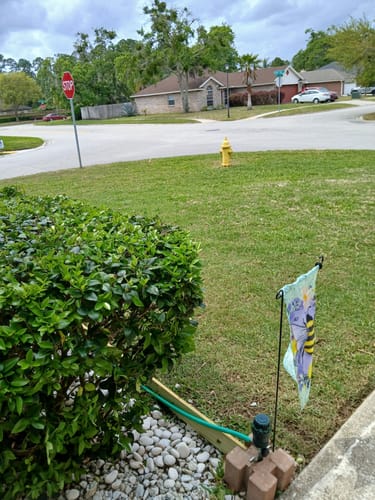
"Love the way my lawn is the lovely green it is supposed to be coming out of winter."
— Stephanie N.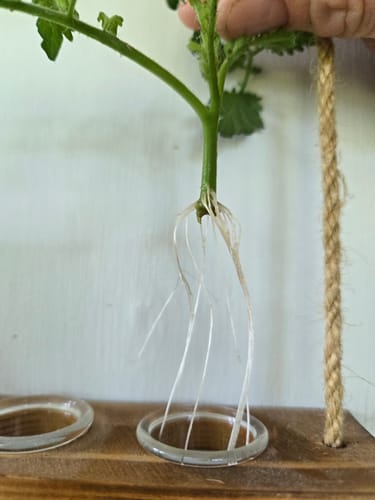
"It makes everything better. My grass has filled in, my flowers are bonkers, my cuttings grow huge roots."
— Jennifer D.
"This stuff is great. I've been using 2oz on my turf every 2 weeks and things have been growing nicely."
— Sam E."I walked across my front lawn and sprayed my lawn twice a week for two weeks and the grass is so green, truly a deep green Saint Augustine front lawn. Everyone that passes by comments how green the grass is."
— Rebecca G.
Common Overseeding Mistakes to Skip
I've personally committed most of these. Learn from my flops instead of repeating them:
- Seeding too late. Blow past that 45-day frost window and your seed sits there all winter doing nothing.
- Going by the calendar. A warm September or an early cold snap moves your window a full two weeks. Check the dirt, not the date.
- Dumping on extra seed. Been there. Crowded seedlings compete, stay damp, and rot. Stick to the rate on the bag.
- Skipping the topdress. Bare seed dries out or gets eaten. That quarter-inch of compost is not optional.
- Pre-emergent the same fall. This one gets people every year. Pre-emergent can't tell your fescue seed from crabgrass seed, and it hangs around about 12 weeks. You get one or the other this fall, not both.
- Reaching for the synthetic starter. It's a salt load on a plant with no roots yet. Feed the soil instead. If you're curious what else is in that bag, I went through it in what's really in conventional lawn fertilizers.
- Letting it dry out. One hot afternoon with the sprinkler off can undo a week of germination.
- Mowing too soon. Let it anchor. Three inches, then mow.
Want the full feeding calendar? See my fall fertilizer schedule, when to apply organic lawn fertilizer, and my roundup of organic lawn fertilizer that actually works. And because I know a lot of you have pups tearing across that grass, here are my pet-safe fertilizer picks and more on lawn care and pet health.
What Happens Next Spring
Here's the part nobody tells you when you're out there raking in September: the roots you build this fall are the roots that get your lawn through next July. Not spring's roots. This fall's. That's the whole return on a sore Saturday.
So when March shows up, don't undo it. Resist the urge to grab the big synthetic bag on the endcap and blast everything green. Keep feeding what's underneath and the green takes care of itself.
Getting a thicker lawn this spring picks up right where this leaves off, and our Regenerative and Sustainable Lawn Care kits follow the same soil-first idea season by season, so you're not guessing in April.
Give Your Fall Seed a Living-Soil Head Start
Feed the crew in the dirt and they'll feed your grass. Plant Juice and Ancient Soil help new seed root faster and fill in thicker, without the salt. Want it all in one box? The Full Lawn Care Line starts at $95.95. Or just grab a bottle and try it on the bad patch first. That's how most folks start.
Shop Organic Lawn Care
Frequently Asked Questions
When is the best time to overseed your lawn in fall?
Late summer through early fall, when 2-inch soil temperature is cooling through 55 to 70°F and daytime air sits around 60 to 77°F. Purdue Extension puts the optimum window for cool-season turf at August 15 to September 15 in the Midwest. Finish at least 45 days before your average first hard frost.
How much grass seed do you need for overseeding?
About half what a new lawn takes. Turf-type tall fescue runs 3 to 4 pounds per 1,000 square feet for overseeding versus 6 to 8 pounds on bare soil. Kentucky bluegrass is closer to 1 to 2 pounds. Check your bag, and spread in two passes at right angles for even coverage.
Do you need starter fertilizer for grass seed?
New seed benefits from a nutrient source at seeding, but it does not have to be a synthetic starter. Synthetic starters are salt-based and can burn seedlings when over-applied. An organic living-soil fertilizer feeds the microbes that make nutrients available to new roots, with no salt burn risk.
How much Plant Juice do you use on a lawn?
Dilute at 2 to 3 ounces per gallon of water and spray evenly. One 32 oz bottle covers roughly 2,000 square feet. Apply at seeding, then every two weeks while the new grass establishes.
Can you overseed a lawn organically without synthetic fertilizer?
Absolutely. Organic overseeding uses compost and living-soil fertilizers to feed both the seed and the microbes around it. Plant Juice is CDFA Certified Organic with 291 lab-verified microbial species that help new grass establish faster.
How soon can you fertilize after overseeding?
Right away, if you're using a gentle organic feed. Apply Plant Juice at seeding and every two weeks after. It won't burn seedlings the way an over-applied salt-based synthetic starter can, because it feeds soil biology instead.
Do you need to topdress with compost when overseeding?
It's the step I'd never skip. A thin quarter-inch of compost or worm castings like Ancient Soil improves seed-to-soil contact, holds moisture, and adds beneficial microbes. It's one of the biggest reasons organic overseeding beats seed tossed on bare dirt.
Can you apply pre-emergent weed control and overseed at the same time?
No. Pre-emergent can't tell your grass seed from weed seed, and a fall application leaves a barrier that lasts about 12 weeks, covering your whole seeding window. Skip it where you're seeding. A thick stand of grass is the better long-term weed defense anyway.

Lauren started Elm Dirt after her infant daughter ate a handful of backyard dirt. As a chemical engineer and a mom, she built her fertilizers around beneficial microbes instead of synthetic chemicals. Elm Dirt is now used by home gardeners, rose show champions, and organic growers across the country.