




Let me guess. You raked, you spread the seed, you watered it like a brand-new houseplant you were scared to lose... and then? Nothing. Or worse — a thin, patchy little mess that looks more like a bad haircut than a lawn.
I've been there. And I promise it's usually not your fault, and it's not the seed's fault either.
Here's the part nobody tells you: the seed is only half the story. The soil is where germination actually happens. If your soil biology is worn out — which it probably is if you've had synthetic fertilizers on it for years — even great seed is going to sit there and sulk.
I'm a chemical engineer and a mom, so I like knowing why things work before I trust them. When I started digging into what actually makes grass seed sprout and take hold, the answer kept coming back to the tiny stuff — the soil microbes. The little bacteria that free up nitrogen, nudge roots to grow, and quietly protect baby seedlings from disease. This is the post I wish someone had handed me before I seeded my very first lawn.
Why Your Organic Fertilizer Choice Matters at Seeding — More Than You Think
Most of us think of fertilizer as plant food. You put it down, the plant eats it, done. But here's the thing — grass seed doesn't have roots yet. It can't "eat" anything. So what is a fertilizer even doing at seeding time?
If it's a synthetic starter, honestly? It's mostly just sitting there waiting. Worse, it can leave a salt buildup in the soil that makes germination harder. That salt causes something called osmotic stress, which is a fancy way of saying it pulls water away from your swelling seeds instead of letting them drink it up. Not exactly the welcome party you were going for.
A good organic liquid fertilizer does the total opposite. Instead of feeding the seed, you're feeding the living soil around the seed. And those little microbes get to work right away — sending out signals that wake the seed up, moving into the root zone before roots even exist, and turning old organic matter into the gentle, easy-to-use nitrogen a baby seedling needs in its first few days above ground.
Our Plant Juice has 291 verified microbial species in every bottle — and that's not a marketing number I made up, it's confirmed by an outside lab called BiomeMakers. Of those species, 84% produce auxin (IAA), which is basically the plant hormone that says "grow roots, and grow them now." In plain English: these microbes tell your grass to root down. Fast.

The Best Organic Fertilizers for Grass Seed (and What Each One Does)
Here's something that trips a lot of people up: not every "organic" fertilizer is actually alive. Some are just slow-release nutrients from natural sources — gentler than the synthetic stuff, sure, but not really doing anything magical for your soil. Others are genuinely living. Big difference. Here's how I'd sort the main options:
1. Microbial Liquid Fertilizers
Okay, this is my favorite — partly because it's what we make, I'll be honest. But a true microbial fertilizer isn't just a jug of nutrients. It's a whole living community of bacteria and fungi that move into the soil around your seed and set up shop. They:
- Fix atmospheric nitrogen and release it slowly, as seedlings need it
- Solubilize phosphorus (critical for early root growth) — our microbes do this at a 27% rate
- Produce gibberellins and cytokinins that speed up germination
- Compete with pathogens for space, cutting down damping-off risk in new seedlings
Look for products with verified microbial diversity — not just "contains microbes" marketing language. BiomeMakers reports are the gold standard for verification.
2. Worm Castings (Applied as a Topdressing)
Our Ancient Soil worm castings are a Class A certified compost — which is just the official way of saying they were composted properly and tested to be safe. Sprinkle a thin layer over your seeded spots and they'll do a few things a bag of synthetic never could:
- Improve soil structure so seeds stay in contact with moisture
- Add humic acids that buffer pH and improve nutrient availability
- Introduce beneficial fungi — including Mortierella — that form root-friendly relationships with grass
- Create a "seed bed" environment that holds moisture better than bare soil
3. Kelp / Seaweed-Based Fertilizers
Kelp is a natural source of cytokinins — plant hormones that get cells dividing. For grass seed, that usually means quicker germination. I love kelp, but I think of it as a sidekick, not the star. Use it alongside a microbial fertilizer, not instead of one.
4. Compost Teas
Brewed right, compost tea drops a little army of microbes into your soil. The catch? It doesn't keep, and you never quite know what's in the batch without lab testing. If you like a good DIY project, we've got a guide on making compost tea at home. But when I'm seeding a new lawn, I'd rather know exactly which microbes I'm putting down. No guessing.
Plant Juice — CDFA Certified Organic
291 verified microbial species. 84% auxin production. Root-stimulating biology from the first application. Starting at $19.95.
Get Plant Juice →When to Apply Organic Fertilizer Around Grass Seed: A Simple Timeline
Timing is the part most of us get wrong — myself included, back in the day. Folks either jump the gun (before the soil's even ready), miss the window (after the poor seed has already stressed out), or skip the most important few weeks completely.
So here's how I'd walk through a new seeding or an overseeding job, step by step:
If your soil is compacted or depleted, apply Plant Juice directly to the soil surface and water it in before seeding. This gives the microbial community time to get a foothold. Think of it as setting the table before the guests arrive.
Apply Plant Juice diluted in water (follow label directions) directly over the seeded area. The auxin-producing microbes begin surrounding the seeds right away. Some folks lightly rake it in; others just apply it over the top and water in gently.
Keep the area moist. Don't apply any high-nitrogen fertilizer — even organic — until you see consistent germination across the patch. Heavy feeding at this stage can shock tender seedlings. If you want to keep supporting the soil, a half-strength Plant Juice application at week 2 is fine.
Once your grass is 2–3 inches tall, apply a full-rate Plant Juice feeding. Roots are now established enough to take up nutrients actively, and the soil biology you built is ready to deliver them.
A monthly organic fertilizer application keeps the soil biology thriving. You're not just feeding your lawn — you're building a self-sustaining ecosystem underground. Over time, a biologically active lawn needs less outside input because the soil feeds itself.
Want a deeper look at the calendar side of things? Our guide on when to apply organic lawn fertilizer breaks the whole season down by what your soil is actually doing month to month.

What to Avoid When Fertilizing New Grass Seed
I'm going to be straight with you: some of the most popular lawn products on the shelf are honestly terrible for new seed. And I get why we grab them — they're at every hardware store, the bag says "grass," and it all looks official. But a few of these will actively work against your seed instead of helping it.
- High-nitrogen synthetic starter fertilizers: High salt index = osmotic stress on seeds. Can delay or prevent germination entirely in some soils.
- Weed-and-feed products: These contain herbicides. Even pre-emergent herbicides that are "safe for established grass" are not safe for germinating seed. They prevent germination. Full stop.
- Undiluted fish fertilizer: Fish fertilizer is great — but high concentrations applied straight to bare soil can be harsh on seedlings and (honestly) smell terrible. Use it diluted and well-watered in.
- Anything with a "burn" warning on the label: If the manufacturer tells you to keep it off your skin, keep it away from germinating seedlings.
There's also a good breakdown of what's actually in conventional lawn fertilizers on the blog if you want to get into the chemistry of why this matters — especially if you've got kids or pets rolling around on your lawn. And if you're overseeding to fix thin areas, our post on fixing bare spots organically walks through the same gentle approach.
What Elm Dirt Customers Are Seeing
I could keep nerding out about microbes all day. But honestly? These folks say it better than I can:
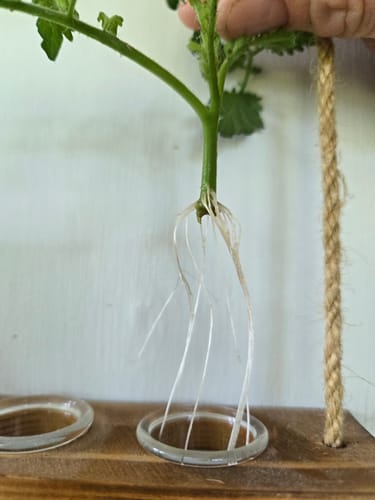
"It makes everything better. My grass has filled in, my flowers are bonkers, my cuttings grow huge roots."

"I cleared the rich ground and set out to have a butterfly & bee garden. After 10 days or so they all seemed happy; still, they looked very tired. The 'cat whiskers' especially; it hadn't had any bloom since planting. I gave all these shown a healthy dose of Elm Juice...They're fortified! What a difference."
"I love the product — it works wonders on my plants and the seeds come up in 2 to 3 days. I've ordered twice and will be ordering again. Thank you!"
Cool-Season vs. Warm-Season Grass: Does Organic Fertilizer Timing Change?
Short answer: yes, a little. The biology itself doesn't change — but when you do things does, because those microbes wake up and slow down based on how warm the soil is. Kind of like the rest of us in spring.
Cool-Season Grasses (Fescue, Bluegrass, Ryegrass)
Best seeding windows are fall (late August through October) and early spring. Soil microbes are most active when soil temps sit between 50–65°F. Apply Plant Juice in the fall seeding window and you're working with the soil's natural rhythm — the biology is active, the seeds germinate quickly, and roots have weeks to establish before winter dormancy.
Warm-Season Grasses (Bermuda, Zoysia, St. Augustine)
These go in when soil temps are 65–70°F or above — typically late spring. The good news is that soil microbial populations are surging in warm conditions, so your organic fertilizer is working at peak efficiency. Apply at seeding and follow up every 3–4 weeks through the summer growing season.
If you're unsure what type of grass you're planting or the optimal timing for your region, the UC Master Gardener program and Penn State Extension both have excellent regional lawn care guides.

The Microbe Science Behind Why This Works
Let me nerd out for just a minute — the engineer in me can't help it. And I think knowing why living fertilizers work makes you a sharper gardener and a lot harder to fool at the garden center.
When you plant grass seed, sprouting comes down to two things: moisture and the right chemical signals. A lot of those signals — gibberellins, cytokinins, ethylene, don't worry about memorizing them — are made by soil bacteria. Real studies in peer-reviewed journals have shown that seeds treated with Azospirillum bacteria (which we put in Plant Juice) sprout better and grow longer roots than seeds left on their own. If you want to go down that rabbit hole with me, here's our Azospirillum spotlight.
Here's what the BiomeMakers data shows for Plant Juice specifically:
- 84% auxin/IAA production — the primary root-stimulating hormone
- 80% nitrogen release — microbes that convert nitrogen into plant-available forms
- 27% phosphorus solubilization — phosphorus is critical for root cell development
- 22% gibberellin production — a germination-accelerating hormone
- 56% biocontrol activity — microbial competition against pathogens that cause damping-off
A big driver of that biocontrol number is Pseudomonas, a soil bacterium that outcompetes disease-causing fungi. If you're curious how it works, our Pseudomonas spotlight gets into the details.
Damping-off, by the way, is that heartbreaking fungal disease that topples seedlings right at the soil line — one day they're standing, the next they've flopped over dead. If you've ever lost a whole tray of babies overnight, you know the feeling. Having good biocontrol microbes already living in the soil when your seed sprouts gives it a natural bodyguard, no fungicide spray required. (If this has burned you before, here's our full guide on preventing damping-off.)
Building a Lawn You're Actually Proud Of (Without the Chemical Dependency)
Here's the biggest thing I've learned after years of chatting with gardeners over the proverbial fence: the folks with the best lawns aren't the ones who bought the priciest seed. They're the ones who fussed over the soil first. That's it. That's the secret.
And here's the part I love — a lawn that starts with living soil gets easier, not harder. Work even one bottle of Plant Juice into the ground before you seed, and that little underground community keeps feeding your grass for you. You end up fertilizing less, fighting fewer pests and diseases, and the whole thing gets more low-maintenance every single year. Less work, better lawn. If you're trying to fill it in nice and thick, our tips on getting a thicker lawn go hand in hand with a good seeding.
And if you'd rather not piece it all together yourself, we made a Yearly Regenerative Lawn Care Line that walks you through the whole season — seeding support in spring, feeding through the summer, recovery in the fall. It's honestly how I'd do a lawn from scratch if I were starting over tomorrow.
Start With the Soil
Plant Juice brings 291 microbial species to your seeding. CDFA Certified Organic. No synthetics, no salt burn, no guesswork.
Try Plant Juice — $19.95 →
Frequently Asked Questions
Can I use organic fertilizer right when I plant grass seed?
Yes — and you should. Applying a microbial liquid fertilizer like Plant Juice at seeding gives the soil biology a head start before roots even form. Avoid high-nitrogen synthetic fertilizers at this stage, which can burn tender seedlings.
What NPK ratio is best for grass seed germination?
For germination, look for a lower-nitrogen formula — or a biologically active organic fertilizer that releases nitrogen slowly. Starter fertilizers with a higher phosphorus number (middle digit) help roots establish. Plant Juice supports root development through auxin production and phosphorus solubilization, without the burn risk.
How soon after seeding can I fertilize?
With a gentle organic fertilizer like Plant Juice, you can apply it right at seeding. Wait until grass is at least 3 inches tall before applying anything more concentrated. A second application at 3–4 weeks post-germination feeds the developing root system.
Is organic fertilizer safe for pets and kids on a new lawn?
Certified organic fertilizers like Plant Juice (CDFA Certified Organic) are free from synthetic chemicals and safe around kids and pets once dry. Synthetic lawn starters often contain harsh chemicals — always read the label before letting anyone play on a treated lawn.
How often should I fertilize new grass seed?
Apply once at seeding, once at 3–4 weeks after germination, and then monthly through the growing season. With an organic fertilizer, you won't burn new grass by applying too frequently — just keep it consistent.
