



Pedobacter: The Organic Matter Decomposer That Runs Your Soil Food Web

Pedobacter is a genus of soil bacteria that breaks down tough organic matter, like dead leaves, old roots and fungal cell walls, into nutrients plants and other soil life can use. The name means "soil rod." It sits near the base of the soil food web, so fungi, worms and your plants all depend on the food it releases. Many Pedobacter species tolerate cold, which keeps them working on fallen leaves well into autumn.
The maples on our street started dropping last week. Every fall I watch neighbors stuff them into paper bags and line them up at the curb, and every fall I bite my tongue.
Those leaves are dinner.
This is our microbe spotlight series, where I pull one name off our DNA report and we get to know it. Today's pick won't fix nitrogen or fight off root rot. It eats dead stuff, and I'd argue that's the most important job in the whole garden.
Meet Pedobacter.
Meet the microbe: Pedobacter. A soil bacterium in the phylum Bacteroidota, named from the Greek for "soil" and the Latin for "rod." Its specialty is taking apart tough plant and fungal material, such as chitin and cellulose, so the nutrients locked inside can get back into circulation.
| Trait | Pedobacter |
|---|---|
| Name means | "Soil rod" |
| Group | Phylum Bacteroidota, family Sphingobacteriaceae |
| Main job | Organic matter decomposer |
| Breaks down | Chitin (fungal cell walls, insect shells), cellulose and other plant fibers |
| Found in | Garden and farm soil, compost, plant leaves, even Arctic and Antarctic soil |
| Cold tolerant? | Many species, yes |
| Place in the soil food web | Base layer: turns dead material into food for everything above it |
| In Elm Dirt | Bloom Juice, about 12.4 million cells per mL (DNA-verified) |
What's in this guide
What Is Pedobacter?
Pedobacter got its name in 1998, which is young as bacteria names go. It belongs to the Bacteroidota, a big group of microbes that does a huge share of the world's recycling, whether that's on the ocean floor or in the compost pile behind your garage.
The name is about as plain as science gets. Pedo means soil and bacter means rod, so: soil rod. I like to think some microbiologist squinted into a microscope and just called it what it was.
It turns up nearly everywhere anyone has looked:
- Garden beds, farm fields, grassland, forest floors.
- Compost. One species, Pedobacter composti, was first found in a compost pile, which tells you what it likes for lunch.
- On leaves, too. Pedobacter chitinilyticus came off wheat leaves, and its name translates to "chitin-dissolving."
- Antarctic soil, of all places.
- And my favorite: Pedobacter tournemirensis, the species in our Bloom Juice, was first described from water seeping through a clay rock layer deep under southern France.
Where it lives is fun trivia. What it eats is the part that matters to you.

Decomposer bacteria like Pedobacter work in the busy soil around roots, turning debris into plant food.
What Pedobacter Actually Does
Dead plant material is tough. Leaves, stems, roots and fungal threads are built out of long, tangled molecules like cellulose and chitin, and most living things can't digest them.
A carrot can't eat a fallen leaf. Neither can most bacteria.
Pedobacter and its relatives can. They push enzymes out into the soil around them (think tiny scissors) and snip those long chains into sugars and nutrients small enough to use (McKee et al., 2021). Chitin, the stuff in fungal cell walls and beetle shells, is a bit of a specialty. When researchers sequenced a Pedobacter strain from Antarctica, they found chitin-cutting enzymes that look built to keep working in the cold (Cho et al., 2021).
The chemical engineer in me gets a little giddy about this. It's a refinery that runs at soil temperature and takes leaves as feedstock. No power bill.
What that means out in your beds:
- Tough stuff gets taken apart. Cellulose, hemicellulose and chitin break down into pieces other organisms can use (López-Mondéjar et al., 2016).
- Nitrogen gets a second life. Chitin holds a lot of it. When researchers tracked who ate the chitin in a German wheat field, several Bacteroidota groups were right there at the table (Wieczorek et al., 2019).
- Your plants get fed. The leftovers, mostly nitrogen and phosphorus, end up down at the roots.
- It's quick. Lay down fresh debris and these bacteria move in fast.
The receipt: We didn't just read about this bug. Independent DNA sequencing found Pedobacter tournemirensis in our Bloom Juice at roughly 1.24 × 10⁷ cells per mL, or about 12.4 million in every milliliter. It's one of 192 species in the bottle. One thing I'd rather tell you than have you dig up on your own: taxonomists have since moved this species into a neighboring genus called Arcticibacter, same family. Our lab report still lists it as Pedobacter.
How It Runs the Soil Food Web
Picture your soil as a food chain that got all knotted up. Down at the bottom, bacteria and fungi break down dead material. Protozoa and nematodes eat them, and bigger critters and worms eat those (Colorado State University).
Everything above depends on the bottom layer clocking in.
Pedobacter doesn't only release nutrients. It is a nutrient. A protozoan swallows a few bacteria, keeps what it needs and lets the extra nitrogen go, usually right next to a root. That hand-off happens billions of times in a single tablespoon of dirt, and it's a big piece of how the nitrogen cycle in your garden actually runs.
Pull the decomposers out and things stall. Sterile potting mix will do it. So will years of heavy salt fertilizer, or dirt left bare all winter. The organic matter just sits there, and you're stuck feeding the plant by hand forever. I wrote more about this in why living soil matters more than the numbers on the bag and living soil vs. sterile soil.

The soil food web: decomposers at the base feed every level above them, right up to your plants.
Why Organic Matter Is the Whole Game
If Pedobacter is the worker, organic matter is the paycheck. No paycheck, no work.
A garden fed only synthetic salts slowly starves its own cleanup crew. There's nothing for them to eat, so their numbers drop off. University of Florida extension scientists point out that a healthy soil food web actually lowers how much fertilizer you need and keeps more nutrients from washing away (UF/IFAS).
So the real job of an organic gardener turns out to be pretty simple. Keep feeding the soil with whatever you've got, whether that's compost, mulch, worm castings or a cover crop. A fed crew hands out nutrients a little at a time instead of the feast-and-famine you get from a bag of salts. The longer version is in what gardens on synthetic fertilizer are missing.
Your Fall Leaves Are Pedobacter's Favorite Meal
If you only take one thing outside this weekend, make it this. Fall leaves are the biggest free delivery of organic matter your yard gets all year, and bagging them up is a bit like cancelling your soil's grocery order.
A lot of Pedobacter species don't mind the cold, either. They keep working on that leaf layer long after the nights turn chilly.
My neighbors think I'm lazy about raking. They're not wrong. This is what I do instead:
- Mow them first. A couple passes with the mower does it. Shredded leaves break down way faster than whole ones, and they won't pack into a soggy mat.
- Spread 2 to 3 inches on the beds. Tuck them around perennials and over empty vegetable beds, just not up against plant crowns. My mulching guide has more.
- Extras go in the compost. Leaves make a perfect "brown" layer, and adding microbes speeds the pile up.
- Diseased leaves go in the trash. If a plant had blight or black spot this year, don't put its leaves back on the bed.
- Give the crew a boost. I drench the fresh layer with Bloom Juice so the decomposers land right where the food is. The whole routine is in how to amend garden soil in fall.

Organic matter is the fuel. Decomposers like Pedobacter are what turn it into plant food.
How to Keep Your Decomposers Thriving
Keeping Pedobacter happy looks a whole lot like plain good organic gardening. You're not babysitting one bacterium. You're feeding a neighborhood.
- Feed them. Compost, mulch and shredded leaves are what decomposers live on. New to compost? Start with Composting 101.
- Add more of them. Bloom Juice is DNA-verified at 192 species, Pedobacter included. Plant Juice has 291, including a couple of Pedobacter's Bacteroidota cousins, Flavobacterium and Chitinophaga sancti.
- Build up the soil bank. Worm castings and Ancient Soil bring organic matter and a mixed microbe crew in one bag.
- Ease off the synthetics. Salt fertilizers and pesticides thin out the crew. If kids or pets play out there, this one's worth a read.

Feed the decomposers and the whole garden answers back.
I think about my garden differently now. It isn't a growing machine. It's a recycling machine, and the plants are just the pretty part on top. Keep the recycling going and the plants mostly take care of themselves.
Pedobacter's Coworkers Underground
Pedobacter doesn't work alone. We've spotlighted a bunch of its coworkers, and most of them live in the same bottles:
- Serratia cuts chitin too, and it helps keep fungal problems in check.
- Mucor is a fungus that pounces on fresh plant debris.
- Chryseobacterium, a close cousin, also keeps going when the soil gets cold.
- Stenotrophomonas is more or less an enzyme factory.
- Clostridium handles the low-oxygen pockets where most others can't breathe.
- Then there are soil fungi, the other half of the decomposer crew.
Real Gardeners, Real Results
I'd rather you hear it from them than from me.
Susan E. · Bloom Juice
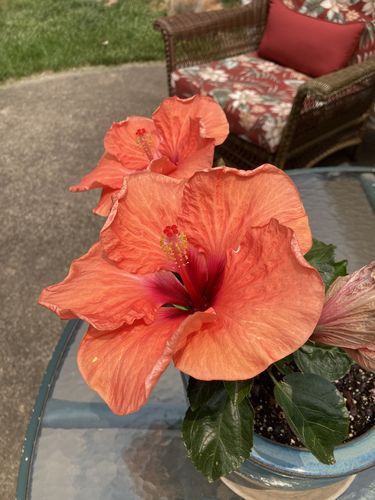
I got this hibiscus as a Mother’s Day present. It had multiple blooms and was beautiful. Soon all the blooms fell off, it got infested with aphids and no new buds developed. After dealing with the aphids and nursing it through a cold snap, I felt discouraged because it just seemed to be languishing. I really thought it would be another victim of my black thumb! Then I saw your free offer for Bloom Juice. After watering with Bloom Juice a couple of times, it suddenly started to develop flower buds. I don’t have a green thumb and was afraid this would be another casualty but it is thriving and I give all the credit to your great product! Thank you.
Debrah J. · Bloom Juice
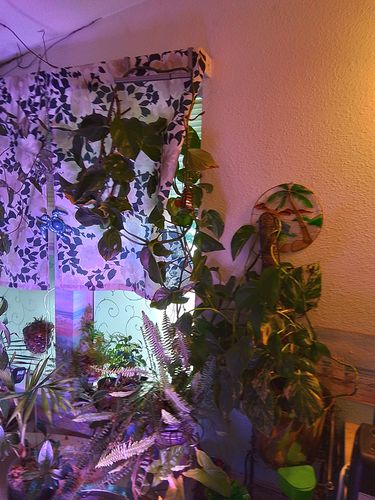
I got this Hoya about 7 years ago in a 6 inch pot and it hardly grew and never bloomed; however, after using plant juice it really started growing and when I added Bloom juice started getting flowers....over 1/2 dozen blooms!! I'm so excited!!
Pete C. · Bloom Juice
After applying Bloom Juice to my vegetables they quickly produce more flowers which led to more fruit.
And after applying to my flowers, I saw more blooms and more healthier plants.

Bloom Juice is rated 4.7 out of 5 across 397 verified reviews.
Frequently Asked Questions
What is Pedobacter bacteria?
Pedobacter is a genus of soil bacteria in the phylum Bacteroidota (formerly Bacteroidetes). The name means "soil rod." Pedobacter species break down tough organic matter such as chitin, cellulose and other plant and fungal polysaccharides, which releases nutrients the rest of the soil food web can use.
What does an organic matter decomposer do in soil?
An organic matter decomposer breaks dead leaves, roots, fungal cell walls and other debris into simple nutrients like nitrogen and phosphorus that plant roots can absorb. Without decomposers, organic matter piles up and its nutrients stay locked away instead of feeding plants.
What is the soil food web?
The soil food web is the community of organisms living in soil, including bacteria, fungi, protozoa, nematodes and earthworms, that eat, recycle and pass nutrients to one another and to plant roots. Decomposer bacteria like Pedobacter sit near the base of the web, and every level above them depends on the nutrients they release.
Should I leave fall leaves in my garden for soil microbes?
Yes, in most gardens. Shred leaves with a mower and use them as a 2 to 3 inch mulch on beds, or add them to compost. Shredded leaves give decomposer bacteria and fungi food through fall and winter. Keep whole, matted leaves off lawns and away from plant crowns, and remove leaves from plants that had disease this season.
Does Pedobacter work in cold soil?
Many Pedobacter species tolerate cold. Some have been isolated from Arctic and Antarctic soils, and cold-adapted strains carry enzymes for breaking down chitin at low temperatures. That makes the genus part of the crew that keeps decomposing organic matter in cool fall soil.
Is Pedobacter in Elm Dirt?
Yes. Independent DNA sequencing identified Pedobacter tournemirensis in Elm Dirt Bloom Juice at about 12.4 million cells per mL, one of 192 verified species in the bottle. Taxonomists have since moved this species to the related genus Arcticibacter, in the same family, but our lab report lists it under its original Pedobacter name. Plant Juice does not contain Pedobacter, though it does carry related Bacteroidota decomposers such as Flavobacterium and Chitinophaga.
Your Garden Is a Recycling Machine
Next time you're out with the rake, give Pedobacter a thought. That pile of "yard waste" is raw material for a whole underground economy, and next spring's growth is already sitting in it.
Leave them some leaves. They'll handle the rest.
Shop Bloom Juice Shop Plant Juice
Sources: Urios, Intertaglia & Magot, "Pedobacter tournemirensis sp. nov., isolated from a fault water sample of a deep Toarcian argillite layer," Int. J. Syst. Evol. Microbiol. 2013 (link); reclassification to Arcticibacter tournemirensis per LPSN. Zhang et al., "Pedobacter chitinilyticus sp. nov., a chitin-degrading bacterium isolated from wheat leaf tissue," IJSEM 2018 (LPSN). Cho, Cho & Kim, "Draft genome sequence of the chitin-degrading psychrotolerant bacterium Pedobacter jejuensis TN23, isolated from Antarctic soil," Microbiology Resource Announcements 2021 (link). McKee et al., "Polysaccharide degradation by the Bacteroidetes: mechanisms and nomenclature," Environmental Microbiology Reports 2021 (link). López-Mondéjar et al., "Cellulose and hemicellulose decomposition by forest soil bacteria proceeds by the action of structurally variable enzymatic systems," Scientific Reports 2016 (link). Wieczorek et al., "Ecological Functions of Agricultural Soil Bacteria and Microeukaryotes in Chitin Degradation: A Case Study," Frontiers in Microbiology 2019 (link). Colorado State University, "Support the Soil Food Web" (link). University of Florida IFAS Extension, "The Importance of Soil Health for Residential Landscapes" (link). Species data: BiomeMakers DNA sequencing report for Elm Dirt Bloom Juice.

Lauren Cain
Founder & Chemical Engineer · Elm Dirt, Kansas City
Lauren started Elm Dirt after her 6-month-old daughter grabbed fistfuls of backyard dirt and ate them. As a chemical engineer and a mom, she couldn't just shrug it off, so she dug into the science of what was really in garden soil. That rabbit hole led her to build a fertilizer line around beneficial microbes instead of synthetic chemicals, with every batch independently DNA-sequenced. Today Elm Dirt is used by home gardeners, rose show champions and organic growers nationwide.