



How to Grow Bush and Pole Beans for a Big Harvest

By Lauren Cain · Updated November 19, 2026
Beans are about the most generous beginner crop there is. Wait until frost is past and the soil has warmed to at least 60°F, then direct-sow the seed 1 inch deep right where it'll grow. Bush beans (knee-high, no staking) give you a big wave of pods in a short burst; pole beans climb a 6–8 ft trellis and keep producing for weeks. Beans are legumes, so they make much of their own nitrogen. Go easy on fertilizer; too much grows leaves instead of pods. Water about 1 inch a week once they flower, and pick every day or two. Frequent picking keeps the plant producing.
The first summer I grew pole beans here in Kansas City, I almost missed the harvest. For a week I'd been glancing at the vines on my way past, seeing a lot of leaves and not much else, and quietly deciding they were duds. Then one evening I actually pushed the leaves aside. The whole back of the trellis was hanging with beans.
That's beans. They hide from you, they overdeliver, and they don't ask for much. If a nervous first-timer asked me what to plant, I'd hand them a packet of beans before anything else. The seeds are big enough to see, they come up fast, and one short row can have you giving bags of green beans to the neighbors by July.
And if you're reading this in late fall with nothing growing? Perfect timing, actually. Winter is when the best bean beds get planned. I've laid this out in the order you'll actually need it, from picking a type all the way to a colander full of beans on the counter.
What's in this guide
- Bush vs. pole: which bean is right for you
- When to plant beans (by USDA zone)
- Sowing beans: direct-sow, every time
- Trellising pole beans
- The nitrogen surprise: why beans barely need feeding
- Water, mulch & keeping them happy
- Harvesting for weeks, not days
- Real gardeners, real results
- Frequently asked questions
Bush vs. Pole: Which Bean Is Right for You
Before you buy seed, you've got one decision to make. There's no wrong answer here, just a trade-off.
Bush beans grow into tidy, knee-high plants that stand up on their own. They're quick, often ready in 50–60 days, and they ripen most of their crop in a two-to-three-week burst. Great if you want a big batch to can or freeze in one go, or if you don't have room to build up. The catch? Once that burst is over, the plant is pretty much done.
Pole beans climb. Give them a 6–8 foot trellis and they'll scramble right up it. They're slower to get going, a few weeks behind bush types, but then they just keep producing for the rest of the season as long as you keep picking. They take up almost no ground space. And your back will thank you, because you pick them standing up.
Can't decide? Plant both. That's what I do. A short row of bush beans gives me an early flood for the freezer, and a teepee of pole beans in the corner keeps a handful coming for supper well into fall.
There's a middle ground too: half-runner beans, which throw out 3-foot runners and land somewhere between the two. Within every type you'll find green snap beans, yellow wax beans, flat Italian beans, and dry or shell beans. If this is your first try, start with something proven. Provider is a great bush bean. Kentucky Wonder and Blue Lake are hard to beat on a pole.
When to Plant Beans (by USDA Zone)
If you remember one thing about timing, make it this: beans hate cold soil. Put seed into a cold, wet bed and it won't sprout. It'll just sit there and rot. I learned this the impatient way, more than once. Waiting a week or two in spring costs you nothing.
Wait until all danger of frost has passed and the soil is at least 60°F at a 4-inch depth. A cheap soil thermometer settles it. No thermometer? Push your hand into the dirt. If it feels pleasant instead of clammy, you're close. Our last frost date guide helps with the calendar side, and this is roughly how it plays out around the country:
| USDA Zone | Main spring sowing | Notes |
|---|---|---|
| Zones 3–5 (cold) | Late May into June | Short season — lean on fast bush types; one main planting |
| Zones 6–7 (middle) | Through May | Succession-sow bush beans into early July |
| Zones 8–10 (warm) | March–April | Also a fall crop: sow ~10–12 weeks before first fall frost |
Reading this in late fall? For almost everyone, the fall bean window has closed. A fall crop has to go in about 10–12 weeks before your first frost, which in most warm zones means late summer. The exception is the frost-free parts of zone 10 and warmer, where beans can still go in through the cooler months. Everybody else, bookmark this one for spring. Not sure which group you're in? A two-minute check of your growing zone will tell you.
Give beans full sun, six to eight hours of it, and loose soil that drains. That's about it. They're not fussy, which is half of why I love them. Building a new spot? Our raised bed guide walks through the setup.
Sowing Beans: Direct-Sow, Every Time
Beans don't like their roots disturbed, so skip the seed trays and direct-sow right where they'll grow. That's easier anyway. The seed is big and easy to handle, and once the soil is warm it comes up like it means it.
Plant seeds 1 inch deep, and space them by type:
- Bush beans: seeds 2–4 inches apart, in rows about 24–30 inches apart. Sow at that spacing and you won't need to thin.
- Pole beans: seeds 4–6 inches apart along a trellis, or 5–6 seeds in a circle around the base of each teepee pole.
Keep the bed evenly moist until the seedlings break through, usually about a week in warm soil. Don't drown it, though, and stay off the bed when it's soggy. Warm and damp is what you want. Cold and soaked is how you lose a whole row.

Beans go straight into warm, loose soil. A prepped bed and 60°F ground are all they need to get started.
With bush beans, don't plant the whole packet at once. Sow a short row every 2–3 weeks through mid-July instead. Each planting comes in as one quick burst, so staggering them gives you fresh beans for months rather than one week where you're drowning in them. It's the same succession planting trick that works for lettuce and radishes, and our succession planting calendar has the dates. Pole beans don't need any of this. They keep going on their own.

Big seed, fast start. In warm soil, beans are usually up within about a week.
Trellising Pole Beans
Going with pole beans? Get the support in before they need it. Trying to wrangle a trellis in around floppy vines is a miserable afternoon (ask me how I know). Set it up at planting time and the beans will find it themselves. They twine as they climb, so no tying.
Supports that work well in a home garden:
- The classic teepee: three or more 7–8 ft poles (bamboo, saplings, or stakes) tied together at the top, with 5–6 seeds around the base of each. Kids love hiding inside these once they fill in.
- A trellis or netting: sturdy netting or strings stretched on a frame 6–8 ft tall, with beans sown along the base.
- A cattle panel arch: a livestock panel bent into an arch between two beds. It's pretty, and the beans dangle down where you can pick them from underneath.
Whatever you build, make it taller and sturdier than seems necessary. A loaded vine in a summer thunderstorm is a lot heavier than it looks. I've watched more than one flimsy trellis fold over in August.
The Nitrogen Surprise: Why Beans Barely Need Feeding
Stay with me on this part, because it changes how you'll feed your whole garden. Beans are legumes, and legumes have a trick almost nothing else in the vegetable bed can pull off. They team up with soil bacteria called rhizobia, which move into little nodules on the roots and pull nitrogen right out of the air. The plant gets to use it as food. So a bean covers much of its own nitrogen bill. (Garden beans are modest fixers next to peas or clover, which is why a composted bed still matters.)
Which means the usual instinct works against you here. You know the one: reach for a rich, high-nitrogen fertilizer to grow a big lush plant. Do that with beans and you'll get a gorgeous jungle of leaves and hardly any pods. Flowering gets pushed back. Research on common beans shows heavy nitrogen also cuts down on the nodules themselves, so the plant quits doing its own work. With beans, less really is more. (For the bigger picture, here's how the nitrogen cycle works in your garden.)
So keep it simple. Before you sow, work some compost (composting 101 if you're starting a pile) or worm castings into the bed. After that, mostly let the plant and the soil handle feeding. If you want to give seedlings a little help settling in, especially in a brand-new bed, use something gentle and living instead of a nitrogen spike. That's where I reach for Plant Juice. It won't burn tender seedlings, and since it feeds the soil biology instead of dumping salts on the roots, it backs up the underground partnership beans depend on rather than overriding it.
Something I got a kick out of when our lab results came back: Plant Juice's verified microbe list includes members of the same root-nodule groups legumes rely on. There's Rhizobium sp. at about 45,600 cells/mL, Bradyrhizobium sp. at about 42,200 cells/mL, and Mesorhizobium sp. To be clear, it isn't a bean inoculant, and I'm not going to pretend it is. It just shows the kind of soil life it carries. If you want to nerd out, we've written up Rhizobium, Bradyrhizobium, and Mesorhizobium.

Slice a healthy nodule and it's pink inside. That color means rhizobia are actively fixing nitrogen.
Planting beans in ground that's never grown them? You can dust the seed with a legume inoculant, which is just a dose of those rhizobia, to get things going faster. It's optional. Healthy, organically fed soil usually has plenty already. On brand-new ground, though, it's cheap insurance. Either way, it comes back to the thing I keep saying about nearly every crop: living soil is doing more of the work than we give it credit for.
Water, Mulch & Keeping Them Happy
Once they're up, beans are pretty low-drama. The one time watering really counts is while they're flowering and setting pods. Give them about an inch a week then, more in a heat wave. If they go bone-dry right as they bloom, they'll drop flowers and you'll get fewer beans.
A few easy habits help:
- Mulch around the plants. It keeps the soil evenly moist and smothers weeds, so you water and weed less. A good layer of mulch is about the laziest thing you can do that still pays off big.
- Water the soil, not the leaves, and do it in the morning. Wet leaves invite fungus, so you want them dry by nightfall.
- Keep your hands off wet plants. Brushing through damp vines can carry disease from one plant to the next.
One more, so it doesn't scare you. In a hot spell, especially once days hit the 90s, beans often drop their blossoms and stop making pods for a while. The first time I saw it, I was sure something was wrong. Nothing is. The plant is just waiting out the heat, and it picks right back up when things cool off. As for bugs, the usual suspects are Mexican bean beetles, aphids, and spider mites. Most years a healthy planting shrugs them off. When they do show up, the gentle organic fixes in our natural pest control guide handle them, and a few marigolds or herbs planted nearby help too. Our companion planting guide has good bean neighbors.
Harvesting for Weeks, Not Days
The most important harvest rule sounds backwards: the more you pick, the more you get.
All a bean plant really wants is to make mature seed. Leave a pod on the vine long enough to fatten up and the plant figures its job is done and starts slowing down. Pick them young, while they're slim and tender and snap cleanly before the seeds bulge, and it keeps trying. Flush after flush. So once they start, pick every day or two. I know that sounds like a chore. It's also the difference between a few handfuls and a full colander every other morning for weeks.

Pick young and pick often. That's what keeps the pods coming for weeks instead of days.
A few picking tips:
- Use both hands. Hold the vine with one and pull the pod with the other. Bean stems are brittle and tear easily.
- Wait until the dew dries. Pods are still crisp mid-morning, and you won't spread bacterial blight through wet leaves.
- Don't let pods go to seed by accident. Missed a few and they're lumpy and tough? Pull them anyway so the plant keeps going. Or leave a couple to dry on the vine and save the seed for next year.
Keep fresh beans unwashed in a bag in the fridge and use them within about 3 days. Got more than you can eat? They can and freeze beautifully. And if you've been picking like I told you, you will have more than you can eat.
I'll leave you with the part I always come back to. When a bean plant feeds itself and feeds you all summer, that isn't really our doing. It's the partnership underground: the rhizobia in those root nodules, plus the whole crowd of soil life around them. A teaspoon of healthy garden soil holds billions of microbes, and Plant Juice carries 291 lab-verified species of its own. Your part is warm ground and steady water at bloom time. The soil and the bean do the rest. You really aren't doing this alone.
Real Gardeners, Real Results
I'd rather you hear it from the folks growing food with it than from me.
Susan N.
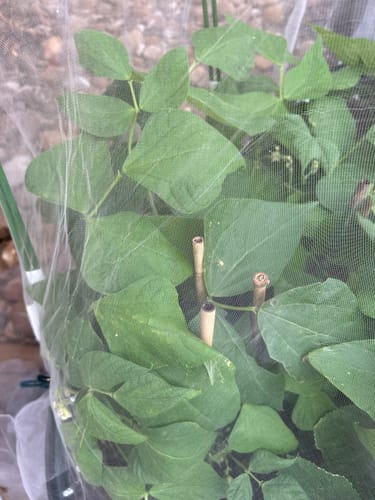
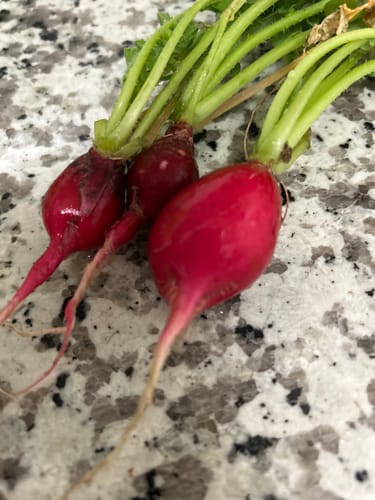
I can’t believe how everything is growing so well! The stuff really stinks, but the plants love it. The radishes were the biggest I have ever had and the bean plants are just loaded with beautiful long green beans. So many that I had to stake each plant to keep them from falling over. Cucumbers and zucchini are just beginning to really take off. The plant size seems to have doubled in the last three or four days.

Susan M.
I have had vegetable gardens now for about 10 years. I have had pretty good success, but this year with the use of Elm dirt, the garden looks healthier than we have had, and the amount of produce has doubled. I will be using Elm Dirt annually! Very happy!

Don B.
Really happy with with first soil applications. Plants are responding much faster than with fish emulsion. carrots are coming along great I am using small cell seed planters w/water from bottom and they germinated much faster than normal. I raise all vegetables in raised beds, and most tomatoes, squash and cucumbers on trellis. Really happy how plants are responding to your products in such a short time.
Kathy R.
Very happy with Plant Juice! I sprayed it on seedlings that had been started in trays. They loved it and were ready to transplant much sooner! Later used it on established plants, it made a very noticeable difference quickly. Live in 5b and had a rough gardening year to begin with. Ordered more Plant Juice for next spring's plantings. Thanks for a great product!
Rated 4.65 out of 5 across 1,793 Plant Juice reviews.
Frequently Asked Questions
When should you plant beans?
Beans are a warm-season crop, so wait until all danger of frost has passed and the soil has warmed to at least 60°F at a 4-inch depth. A cold, wet seedbed rots the seed before it sprouts. In most of the country that means mid-to-late spring: zones 3 to 5 around late May into June, zones 6 to 7 through May, and warm zones 8 to 10 as early as March or April. In those warm zones you also get a second, fall window — sow about 10 to 12 weeks before your first fall frost for a quick crop before cold sets in.
What is the difference between bush beans and pole beans?
Bush beans grow about knee-high, need no support, and ripen most of their crop in a short two-to-three-week burst — great for canning, freezing, or a quick harvest in a small space. Pole beans climb a trellis 6 to 8 feet tall, take a few weeks longer to start, but then produce steadily for the rest of the season as long as you keep picking. Bush beans give you a wave; pole beans give you a trickle that lasts. Many gardeners plant some of each.
Do beans need fertilizer?
Very little, and this surprises people. Beans are legumes, which means they partner with soil bacteria called rhizobia to pull nitrogen out of the air and make much of their own. Too much added nitrogen backfires: it grows a big leafy plant, delays flowering, and suppresses the root nodules that fix nitrogen, so you get vines instead of pods. Mix compost or worm castings into the bed before planting for a balanced base, and if you feed at all, keep it gentle. A living, microbe-based feed like Plant Juice supports the soil biology and helps young plants establish without pushing the nitrogen that works against a bean.
How often should you pick beans?
Often — ideally every day or two once they start. Snap beans are at their best when the pods are young, slim, and snap cleanly before the seeds bulge through. More importantly, regular picking tells the plant to keep making pods; let beans go to seed on the vine and the plant decides its job is done and slows right down. Frequent harvesting is the single easiest thing you can do to keep beans coming for weeks.
How long do beans take to grow?
Bush snap beans are usually ready about 50 to 60 days after sowing, which is part of why they're such a satisfying beginner crop. Pole beans take a little longer to get going, often 60 to 70 days to the first pods, but then keep producing much longer into the season. Both are grown by direct-sowing the seed right where it will grow, since beans dislike being transplanted. In warm soil the seedlings usually come up in about a week.
How much water do beans need?
About 1 inch of water per week, more during hot, dry spells. The most important time is when plants are flowering and setting pods; if the soil dries out then, plants drop blossoms and make fewer beans. Water the soil at the base in the morning and mulch to keep moisture even.
Should I use an inoculant on bean seed?
It's optional and most helpful the first time you grow beans in a bed. A legume inoculant is simply a dose of the rhizobia bacteria beans partner with for nitrogen fixation. If those bacteria are already in your soil from past bean or pea crops, you likely don't need it. On brand-new ground, dusting the seed with inoculant before sowing can speed up nitrogen fixation and give a modest bump in yield. Healthy, organically fed soil tends to carry a good population of these bacteria already.
One Packet, a Whole Summer of Beans
So that's beans. Wait for warm soil. Sow them where they'll grow. Pick bush, pole, or both, and go easy on the fertilizer, because the bean is doing a lot of its own feeding. Keep the water steady when they bloom, then pick, pick, pick. I can't think of another crop that gives back this much for this little fuss, and that's why it's the one I'd put in any beginner's hands.
Want one small garden win in your inbox each week? Join the Elm Dirt email list and grow along with us. If you're planning the rest of the patch, our guides to growing cucumbers, organic vegetable gardening, and feeding the vegetable garden organically pair perfectly with a row of beans. And when you push the leaves aside and find that first hidden stash, snap one off and eat it raw, right there in the garden. Then send us a picture. Those are my favorite kind.
Give Your Garden the Easy Start — Shop Plant Juice
Sources: Clemson Cooperative Extension HGIC, Bush & Pole Type Snap Beans; University of Maryland Extension, Growing Beans in a Home Garden; University of Illinois Extension, Snap Beans; Journal of Agricultural Science, The effects of N fertilizer and soil moisture on the nodulation and growth of Phaseolus vulgaris; Mansouri et al., Contemporary Agriculture (2020), Effects of Nitrogen Fertilization on Mycorrhizal Infection, Nodulation and Growth of Phaseolus vulgaris L.

Lauren Cain
Founder & Chemical Engineer · Elm Dirt, Kansas City
Lauren started Elm Dirt after her 6-month-old daughter grabbed fistfuls of backyard dirt and ate them. As a chemical engineer and a mom, she couldn't just shrug it off, so she dug into the science of what was really in garden soil — and built a fertilizer line around beneficial microbes instead of synthetic chemicals. Today Elm Dirt's products are used by home gardeners, rose show champions, and organic growers across the country.