



How Often Should You Really Feed Your Garden? A Month-by-Month Feeding Calendar

Quick Answer: How Often to Feed Plants
Feed outdoor plants every 1 to 2 weeks during the growing season, roughly March through September in most of the United States. Feed indoor plants every 1 to 2 weeks from spring through summer and every 3 to 4 weeks in fall and winter.
Container plants belong at the more frequent end of every range, because pots dry out and flush nutrients faster than in-ground beds. Dormant outdoor beds need no liquid feeding at all in deep winter. Top-dress them with worm castings instead.
These intervals assume an organic living soil fertilizer that feeds soil microbes. Synthetic salt fertilizers follow different and stricter limits.
Most gardens I hear about get fed one of two ways. There's the big spring dose followed by nothing, and there's nothing at all, which at least has the virtue of being consistent. Either way you end up somewhere around mid-July with plants that look like they're just tolerating you.
You don't have a brown thumb. I'd put money on it being a timing thing.
I'm Lauren. Elm Dirt exists because my baby girl got a fistful of backyard dirt into her mouth before I could reach her, and I spent most of that night reading about what was actually in it. Chemical engineer, worried mother. Bad combination for getting any sleep. What I came out the other side with was a fertilizer built around soil biology instead of synthetic salts, and a strong opinion about feeding schedules. So when somebody asks how often they should feed, I've never once been able to hand over the single number they were hoping for. What I've got is a rhythm.
Below is that rhythm, month by month, for the vegetables and the flowers and those houseplants you love a little too much. Screenshot it or print it, whatever gets it somewhere you'll actually look in April.
The Short Answer: How Often to Feed
If you skim nothing else, take this much with you:
- Outdoor plants, growing season (spring through late summer): every 1 to 2 weeks.
- Indoor plants: year-round. Every 1 to 2 weeks while growing, every 3 to 4 weeks in winter.
- Blooming and fruiting plants: keep the same frequency, but swap part of the rotation to a bloom formula once buds set.
- Containers and hanging baskets: weekly. They're the hungriest things you own.
- Dormant outdoor beds in deep winter: stop liquid feeding. Top-dress the soil instead.
Nowhere on that list does it say dump a big scoop in April and call it a season. That's synthetic thinking, and it's a hard habit to shake, mostly because it's how nearly all of us were taught to garden. Little and often just works better.
Why the Rules Change With Living Soil
This is where a lot of us got tripped up, me included, for longer than I'd like to admit. Synthetic fertilizer works like a shot of espresso straight into the plant. It hits hard and then it's gone, which is exactly why the bag has to warn you about burning your roots. We compared the two approaches in detail over in liquid vs granular fertilizer.
A living soil fertilizer runs on a different principle altogether. It isn't force-feeding anything. It feeds the soil, and the soil hands nutrients off to the plant on the plant's schedule rather than yours.
Our Plant Juice carries 291 beneficial microbial species. That figure isn't a marketing guess. It comes from third-party DNA sequencing done by BiomeMakers (report CUX005), and you can see the full nutrient and microbial analysis if you like reading lab reports. What that underground crew actually does is the interesting part:
- 84% produce auxin (IAA), the hormone that drives root growth
- 80% help release nitrogen in a form roots can take up
- 82% make ACC deaminase, which helps plants shrug off heat and drought stress
- 70% produce cytokinin for new shoots and leaves
- 84% produce exopolysaccharides, the sticky compounds that build crumbly soil structure
- 56% offer natural disease and fungal suppression
- 27% unlock phosphorus that's been chemically locked up in your soil
Some of the names in that report do very specific jobs. Rhizobium and Bradyrhizobium canariense handle nitrogen. Variovorax paradoxus manages the ethylene that spikes when a plant gets transplanted or stressed. Sphingomonas shows up under heat and drought pressure. Pseudomonas putida is the fourth most abundant organism in the whole bottle. On the fungal side, Trichoderma and Mortierella rishikesha work the root zone.
None of that is a one-and-done deal, which is the part that took me longest to accept. It's a living workforce down there, and a workforce that doesn't get fed regular stops turning up for work. Which is the entire reason steady beats sporadic, and why I can't just tell you to feed once in spring and go enjoy your summer. If you want the deeper science, there's a solid overview of plant growth promoting rhizobacteria, a good pile of studies on PubMed, and Ohio State University Extension has a plain-English page on soil microbes and nutrient recycling worth bookmarking. Our own version lives at soil biology 101.
If you're a chronic over-feeder, relax: since you're feeding biology rather than raw mineral salts, it's difficult to hurt a plant with something like Plant Juice. No burn, no white crust on top of the soil. We ran the numbers on this in how much fertilizer is too much.

The Month-by-Month Feeding Calendar
Alright. The calendar below assumes a middling middle-of-the-country climate, roughly what I'm working with here in Missouri, so nudge it a couple weeks earlier if you garden down south and a couple weeks later if you're up north. The one number worth actually knowing is your local frost date. The Old Farmer's Almanac frost date tool spits it out in about ten seconds.
Two tracks below, the outdoor garden and the indoor plants. Follow whichever one fits your life. Plenty of folks need both.
| Month | Outdoor Garden | Indoor Plants |
|---|---|---|
| January Rest |
Beds are asleep. No liquid feeding. Refresh the top layer of any containers with worm castings and go plan next season. | Feed lightly. Diluted Plant Juice every 3 to 4 weeks, and ease up on watering while you're at it. |
| February Waking |
Start seeds indoors. Give seedlings a weak Plant Juice drink once true leaves appear. Top-dress the beds you'll plant with Ancient Soil. | Days are getting longer and plants notice before you do. Move up to every 2 weeks. |
| March Spring |
Wake everything up. First feed for emerging perennials and bulbs. Prep beds using our raised bed spring prep guide and the full spring garden checklist. | Growth is picking up fast. Every 1 to 2 weeks now. |
| April Spring |
Full spring feeding, every 1 to 2 weeks on vegetables, annuals, and perennials. New transplants especially benefit. See reducing transplant shock and hardening off seedlings. | Every 1 to 2 weeks. This is when tired winter houseplants really come back. |
| May Peak |
Peak growth month. Hold the 1 to 2 week rhythm. As the first flowers and fruit set, start working in Bloom Juice. More in best organic fertilizer for spring vegetables. | Move plants toward brighter windows and keep feeding every 1 to 2 weeks. |
| June Bloom |
Bloom and fruit season. Alternate Plant Juice (roots and leaves) with Bloom Juice (flowers and fruit). See fertilizing tomatoes organically and getting more blooms from roses. | Steady every 1 to 2 weeks. Watch for summer growth spurts and pot up as needed. |
| July Heat |
Heat stress is real. Always water first, then feed, and foliar feed in the cool of early morning. Containers may want a weekly feed. | Every 1 to 2 weeks. Air conditioning dries the air out, so check soil moisture often. See why indoor plants struggle in summer. |
| August Harvest |
Sustain the blooms and the harvest. Bloom Juice for late tomatoes, peppers, and flowers. Start fall crops now. | Still every 1 to 2 weeks. Growth stays strong right up until the days shorten. |
| September Fall |
Feed the cool-season crops. Give perennials one last good feed to build roots before dormancy. Full timing in our fall fertilizer schedule. | Ease back a touch. Every 2 weeks as the light drops. |
| October Fall |
Taper outdoor feeding. Top-dress beds with Ancient Soil or worm castings so the soil life stays fed all winter. Bring houseplants back inside. | Every 2 to 3 weeks. Coming indoors is stressful for a plant, and a gentle feed smooths it over. |
| November Slowing |
Beds are settling in for their rest. No more liquid feeding outdoors. | Shift to every 3 weeks. Overwintering plants prefer steady, light meals. See winter indoor plant care. |
| December Rest |
Outdoor garden is resting. Time for winter garden planning, which is honestly the fun part. | Holiday bloomers get a light feed. See cyclamen plant food. Everyone else, every 3 to 4 weeks. |
Container gardeners, this one's for you: pots dry out and flush nutrients straight through the drainage holes far faster than open ground does, which makes them hungrier than any bed you've got by a wide margin. Lean toward the frequent end of every range above and you'll be about right. There's a whole guide on feeding plants in pots and planters if that's your world.

How Often to Fertilize 12 Popular Plants
General rules will only carry you so far, because a snake plant and a monstera do not eat remotely alike. So below is what the frequency actually looks like plant by plant, assuming Plant Juice or a comparable organic living soil fertilizer.
| Plant | Growing Season (Mar to Sep) | Winter (Oct to Feb) |
|---|---|---|
| Philodendron | Every 1 to 2 weeks | Every 4 weeks |
| Pothos | Every 1 to 2 weeks | Every 4 weeks |
| Monstera | Every 1 to 2 weeks | Every 4 weeks |
| Peace lily | Every 2 weeks | Every 4 to 6 weeks |
| Boston fern | Every 2 weeks | Every 4 weeks |
| Begonia | Every 2 weeks | Every 4 to 6 weeks |
| Orchid | Every 2 weeks, diluted | Every 4 weeks while resting |
| Aloe vera | Every 3 to 4 weeks | Skip entirely |
| Snake plant | Every 3 to 4 weeks | Skip entirely |
| Succulents and cacti | Every 3 to 4 weeks | Skip entirely |
| Tomatoes | Weekly once flowering, alternate Bloom Juice | Not applicable outdoors |
| Roses | Every 2 weeks, Bloom Juice from first bud | Stop after first hard frost |
There's a rough rule hiding in that table. Thin-leaved fast growers eat often, and the thick-leaved water storers barely eat at all. When you can't remember which camp something belongs to, put your fingers on a leaf. Waxy and plump, it's a slow eater and you can leave it be. Soft and thin, it's hungry.
The Season Most People Get Wrong: Winter
This is the big one. It's also the mistake I made about four years running before the penny dropped.
Everybody remembers to feed in spring, because spring is exciting and there's dirt under your nails again. But your indoor plants don't take the winter off. Not really. They slow way down, sure. They're also still alive in there, pushing the occasional leaf, burning energy just to hold on through the short gray stretch.
Cut them off entirely in November and a good number of them limp into March looking leggy and tired out. Keep something going instead, every 3 or 4 weeks, nothing heavy, and they hold their own until the light returns and they take off.
Pamela, who gardens professionally up in New England and therefore knows considerably more about hard winters than I do, put it better than I can:

"I garden for a living and have a house full of plants during the cold New England months. I've been using Plant Juice once a week for about a month and my plants appear healthier than in past winter months. I will need more time to observe my plants to say much more than that but I have 3 more bottles to continue with."
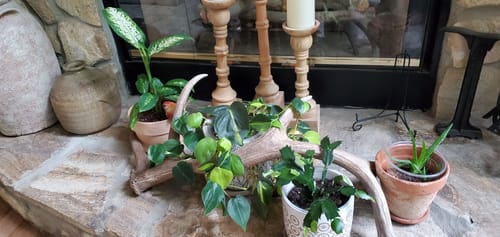
"I am amazed at the difference in my house plants since I started using Plant Juice. The plants struggled through the winter even with watering, sunlight and changing soil and pots. Once I started using the Plant Juice, every plant took off with new healthy growth. I may have to change some with bigger pots. The customer service is excellent."
The plants that struggle are nearly always the ones that got forgotten somewhere between October and March. That's it. That's the difference most of the time. If houseplants are your thing, the houseplant fertilizer guide goes deeper, and our indoor plant collection has the products sized for a windowsill instead of an acre.

The Trick to Never Missing a Feeding
A feeding calendar only works if you follow it, which sounds obvious right up until March turns into May somehow. You blink and it's been six weeks since the monsteras had a decent meal.
The customers who get the best results out of this stuff mostly do the same one thing. They take the remembering out of it. A delivery turns up around the time they ought to be feeding, and the rhythm sort of happens to them instead of the other way round. No sticky notes on the cabinet door, and no standing over a pot trying to work out whether you already did this one last Tuesday.
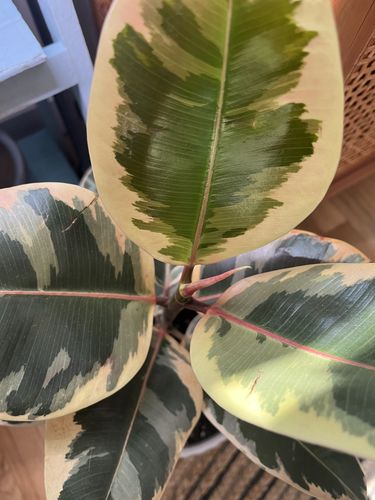
"I have over 150 house plants & have subscribed for a monthly delivery. I have also repaired (rescued) quite a few plants by using the diluted juice. It is gentle but effective. I use it with every watering. This company makes high quality worm casting juice & I can personally testify & recommend to the plant community to invest in a subscription. You will not be disappointed."

"Tomatoes 🍅 shot up a foot and half in just a few weeks using the plant juice! Even the slow growing plants like the macadamia nut tree doubled its leaves since using the plant juice! Number of bugs is next to zero compared with last year using chemical fertilizer. I did get more bumblebees than last year as well."
Subscription, or just a couple of spare bottles sitting on a shelf where you'll see them. Doesn't much matter which. Make feeding easy enough that you actually get around to it.
Start Your Feeding Rhythm the Easy Way
The Elm Power Bundle pairs Plant Juice with Ancient Soil, so you've got the every-two-weeks feed and the slow soil-building side covered at once. Set it up, follow the calendar, watch it go.
Shop Plant JuicePlant Juice from $19.95 · 4.65★ from 1,793 reviews · CDFA Certified Organic · Subscribe and never miss a feed
Match the Food to the Job
Frequency is most of the game. The rest is feeding the right thing at the right point in the season. Quick cheat sheet:
- Plant Juice (from $19.95) is your everyday feed, the one doing the work on roots and leafy growth. CDFA Certified Organic, 291 verified species. If you only ever buy one thing from us, buy this.
- Bloom Juice (from $19.95) swaps into the rotation once buds and fruit set. Separate CDFA Certified Organic formula, 192 verified species, and 52% of those solubilize phosphorus, which matters a great deal when a plant is trying to make flowers.
- Ancient Soil (from $29.95). Class A certified compost. Use it for building soil up over time and top-dressing beds in fall.
- Worm Castings (from $14.99) are about the gentlest slow-release thing going. I use them to refresh the top inch of container soil when a pot starts looking tired.
Want the full breakdown of which product does what? Our guide on how to fertilize plants walks through it, the Elm Dirt feeding schedule has the exact dilutions, and if you're curious how the microbes pull this off, here's the science plus the shortcut version.
Feeding Calendar FAQ
How often should you feed your garden?
Feed outdoor plants every 1 to 2 weeks during the active growing season, roughly March through September in most of the United States. Feed indoor plants every 1 to 2 weeks during the growing months and every 3 to 4 weeks in winter. Container plants sit at the more frequent end of every range because pots dry out and flush nutrients faster than in-ground beds.
Can you fertilize plants too often?
With synthetic fertilizers, yes. Over-application causes salt buildup in the soil and root burn. With a microbial living soil fertilizer such as Plant Juice, over-feeding is difficult because the product feeds soil biology rather than depositing concentrated mineral salts on the roots. A light, regular rhythm still outperforms occasional heavy doses.
Do you need to fertilize your garden in winter?
Outdoor beds go dormant in winter, so liquid feeding can stop. Top-dress instead with worm castings or Ancient Soil to keep soil microbes fed until spring. Indoor plants do not fully go dormant, so continue feeding them lightly every 3 to 4 weeks through the cold months.
How often should you fertilize houseplants?
Most houseplants do best on a feed every 1 to 2 weeks from March through September and every 3 to 4 weeks from October through February. Fast growers such as philodendron, pothos, and monstera sit at the 1 week end. Slow growers such as snake plants, succulents, and cacti need feeding only every 3 to 4 weeks in summer and can be skipped entirely in winter.
When should you switch from Plant Juice to Bloom Juice?
Use Plant Juice for root and leaf growth early in the season. Once plants set flower buds or fruit, usually late spring into summer, begin alternating Bloom Juice into the rotation. Bloom Juice is a separate CDFA Certified Organic formula with 192 verified microbial species, including 52% phosphorus solubilizers, which supports flowering and fruit set.
How long does it take to see results from organic fertilizer?
Most gardeners see visible new growth within 2 to 4 weeks of starting a regular feeding rhythm. Organic living soil fertilizers work through soil biology rather than an immediate nutrient dump, so the first change is usually root activity and leaf color, followed by new shoots. Soil structure improvements build over a full season.
That's the whole rhythm. Feed a little, feed regular, and otherwise get out of the way of soil that's been doing this a few billion years longer than either of us has. Come July, when you're standing out there with more blooms than you know what to do with, you'll be glad you kept up with it.

Lauren started Elm Dirt after her infant daughter ate a handful of backyard dirt. As a chemical engineer and a mom, she built a line of fertilizers around living soil biology instead of synthetic chemicals. Today Elm Dirt's living soil products are trusted by home gardeners, rose champions, and organic growers all across the country.