



Why Indoor Plants Struggle in Summer (And It's Not What You Think)

Every summer, I hear some version of the same thing from folks: "Lauren, I just don't get it. More sun. More water. And somehow my plants look WORSE." And usually there's a little guilt tucked into that sentence, like they've done something wrong. So let me say this first, before anything else: it's not you. You're not a plant killer. You're not bad at this.
Here's the thing nobody bothers to tell you. Summer isn't just hard on your plants because of the heat. It's hard on the whole invisible world living down in the soil — the part you can't see. When that little underground ecosystem gets thrown off (by AC drafts, watering that's all over the place, or salty synthetic fertilizers), your plant starts quietly struggling from the roots up. Long before you ever spot a yellow leaf or a sad, droopy stem.
I'm Lauren Cain. I started Elm Dirt, and I'm a chemical engineer by training. The whole thing began because my baby girl ate a fistful of dirt in our backyard when she was an infant (yep — really), and I got a little obsessed with what was actually in that soil going into my kid. What I found flipped everything I thought I knew about plant care. So let me walk you through what summer is really doing to your houseplants — and the handful of easy things you can do about it. No fancy equipment. No extra fuss.
The Real Reason Your Indoor Plants Look Terrible in Summer
Most of us just assume summer is good news for our houseplants. More light! Warmer days! It's growing season, right? And for the stuff out in the garden beds, sure — that's mostly true. But your indoor plants live in a completely different world than the one outside your window. And come summer, that little indoor world gets turned on its head.
Your air conditioning is quietly stressing your plants
This is the big one, and hardly anybody talks about it. Your AC doesn't just cool the air — it wrings the moisture right out of it. A lot of it. Most homes drop down to around 30–40% humidity once the AC's running all day. And most of the plants we keep indoors (let's be honest — pothos, monsteras, fiddle leaf figs, peace lilies) are tropical. They want 50–70% humidity to feel at home.
So while you're sitting there nice and comfortable, your plants are basically living through a slow drought. Even when you're watering right on schedule. The soil dries out quicker. The leaf tips go brown and crispy. Your plant's waving a little flag that says "I'm stressed" — but because it's the middle of summer, you figure it wants more light, when really it's just gasping in dry air. If that sounds like your house, our guide to raising humidity for houseplants covers the easiest fixes (most of them are free).
Light angles shift more than you'd expect
Here's one I didn't figure out until I really got into the plant science: the sun sits a whole lot higher in the sky in summer than it does in spring or fall. That west window that gave your fiddle leaf fig gorgeous light back in April? By July, that same window might be blasting it with direct sun for hours longer each day — and at a much meaner angle.
It's worst at windows with no overhang or awning. What was soft, dappled spring light turns into harsh afternoon glare. Leaves bleach out. Growth stalls. Your plant quits putting energy into new leaves and just tries to hang on. There's more on getting light right in our complete guide to indoor plant lighting.
Watering that's all over the place wrecks the soil life
Okay, here's where I get a little nerdy on you. Stick with me though, because honestly this is the part that matters most.
Your potting soil isn't just dirt. Or it shouldn't be, anyway. Good, living soil is packed with billions of tiny bacteria, fungi, and other little critters, and they're all doing real work down there — unlocking nutrients your plant can actually use, guarding the roots from the bad stuff, and even making natural hormones that tell the roots how to grow.
But those microbes are creatures of habit. They need things steady. And summer is anything but steady — you water a bunch, then life gets busy and you skip a week, then you feel guilty and drown the poor thing. That back-and-forth just beats up the whole little community in the pot. Some of them dry out and die. Others hunker down and go dormant. And that whole hidden system that was quietly feeding your plant? It just... clocks out.
The Salt Problem Nobody Warns You About

If you've reached for one of those bright blue box-store fertilizers at some point — and honestly, who hasn't — summer is when the salt problem really rears its head.
Most synthetic fertilizers are built on salts. That's just how they're made. When you water regularly, some of that salt rinses through and out the bottom. But in the heat? Your plant gulps down way more water and leaves the salt behind. It piles up right where the roots live. Sometimes you'll even spot a chalky white crust forming on top of the soil — that's the stuff.
And here's the kicker: those salts actually pull water back away from the roots. So your plant is sitting in damp soil and still can't get a drink. It's called fertilizer burn, and it happens a whole lot more in summer than folks realize.
There's another reason I walked away from the salt-and-synthetics route, and it's a personal one. I've got a little one who used to eat dirt, remember? Once you've got kids crawling around, or a curious dog, or you're just tired of wondering what you're breathing in and touching in your own home — you start reading labels a lot more carefully. I wanted something I felt good about using in the same house as my family. That's the whole reason Elm Dirt exists.
One of our customers — Karen K. with 60+ houseplants — figured this out the hard way:

"I have 60+ house plants including orchids. I had been using Miracle Grow liquid food for years. Some plants were happy, others died. I noticed what looked like salt in the dirt. I saw on this website that plant food like Miracle Grow has salts that hurt plants. I thought maybe that was the problem and tried the Plant Juice. All my plants are so happy now and several of my orchids have gotten new babies coming in!"
If you suspect salt buildup, a good deep flush can help — watering your plant slowly and thoroughly until water runs out the bottom for several minutes, then letting it drain completely. We have a full walkthrough in our post on how and when to flush your plants.

What's Actually Happening Underground: The Microbe Story
Okay — this is my favorite part. And I promise not to lose you in science-speak.
We had our Plant Juice independently tested by BiomeMakers, one of the top soil labs in the country. (I didn't want you taking my word for it, and frankly I didn't want to take my own word for it either.) They counted 291 different microbial species in a single bottle. And it's what those little guys actually do that separates a plant just barely hanging on through summer from one that's genuinely happy.
What the microbes in Plant Juice actually do for stressed summer plants:
- ACC deaminase producers (82%): These bacteria break down the stress hormone that plants release when they're under heat or drought pressure. Less stress hormone = less wilting, less leaf drop.
- Auxin/IAA producers (84%): Auxin is a root growth hormone. More auxin means deeper, healthier roots that can actually find water during inconsistent summer watering.
- Siderophore producers (82%): These microbes scavenge iron and lock out harmful bacteria — helping your plant stay fed and protected when it's already stressed.
- Antifungal agents (56%): Summer humidity (outside) plus dry air (inside AC) creates weird conditions that invite fungal root problems. Antifungal microbes act as a protective barrier.
- Inorganic nitrogen releasers (80%): Instead of dumping nitrogen in a salt form, these bacteria release it slowly and naturally — no buildup, no burn.
Bugs with tongue-twister names like Pseudomonas putida, Flavobacterium, Comamonas terrigena, and Azospirillum do more than just feed your plants. They kind of become your plant's little support crew through the hardest stretch of the year. If you're the type who likes to see the receipts, here's the research on how ACC deaminase bacteria help plants handle stress (PubMed).
Lisa C., who cares for over 175 indoor plants, noticed this herself:
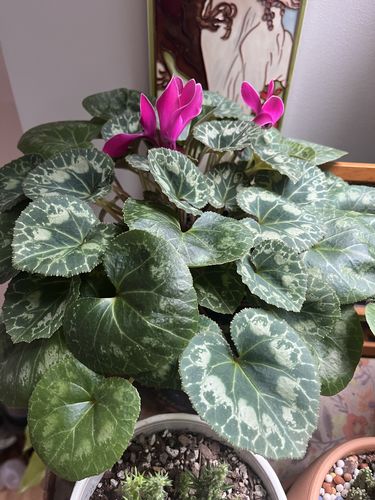
"I give all my indoor plants (over 175 plants) & outdoor gardens Elm Dirt Plant Juice. My exotic, succulents & cactuses receive a weekly watering with the juice. Every plant is pushing new growth & is healthy thriving. I advise all my friends & plant community by this weekly routine."
What You Can Actually Do About It This Summer
Now for the good news — and it's real good news. Once you know what's going on down there, fixing it is honestly pretty simple. None of this is more work. Most of it's actually less. Here's exactly what I'd do if I were standing in your living room right now.
1. Scoot your plants away from the AC vents
This one's the fastest win of the bunch. Cold, bone-dry air blowing straight onto a tropical plant is just rough on it. Even backing it up a couple feet makes a real difference. Not sure which plants are catching the draft? Walk your floors in July — the carpet right around the vents is usually drier to the touch. Your plants are feeling that exact same thing, all day long.
2. Bunch your plants together
Plants "sweat," in a way — they let off moisture through their leaves. So when you cluster them close, they make their own little humid pocket for each other. Costs you nothing, takes two minutes, and it makes that corner of the room look downright lush. Can't beat that.
3. Water by the soil, not by the calendar
How fast a pot dries out changes week to week in summer — depends how hot it is, how hard the AC's running, how much sun that window's getting. So instead of watering every Tuesday like clockwork, just poke your finger down about two inches. Dry? Give it a drink. Still damp? Leave it be. Sounds almost too simple, I know — but most of us water on autopilot and end up drowning things. Our guide on how to water your plants the right way lays out the whole rhythm.
4. Trade the synthetic stuff for a living fertilizer
If you're still feeding with a synthetic and your plants are limping through summer, this is the swap I'd make. Not because those fertilizers are the devil — they're not. It's just that all they do is hand your plant nutrients and walk away. They don't help it cope with the stress. A living fertilizer, on the other hand, brings a crew of good microbes that actually work alongside the roots when things get tough.
Our Plant Juice is CDFA Certified Organic, totally salt-free, and packed with those 291 tested microbial species that help your plants ride out summer from the roots up. It runs $19.95, and one bottle goes a long, long way since you dilute it — just a splash per gallon, once a week when you're already watering. No new chore to remember, and nothing in it I'd worry about with kids or pets underfoot.
5. If a plant's really hurting, give it a fresh start
Been in the same pot two years or more? The soil down there has probably broken down and gone kind of dense and lifeless — can't hold water or air the way it used to. Repotting into a fresh, rich mix (I love working some Ancient Soil worm castings into mine) gives those roots room to breathe again. Not sure what to fill the pot with? Here's our rundown on the best potting mix for indoor plants, and a full walkthrough on how and when to repot.

Give Your Indoor Plants a Fighting Chance This Summer
Plant Juice is a CDFA Certified Organic, living liquid fertilizer with 291 verified microbial species. No salts. No synthetic chemicals. Just the biology your plants need to handle summer stress — from the root up.
Shop Plant Juice — $19.95 →The Summer Survival Checklist for Indoor Plant Parents
I know some of you just want the quick version you can screenshot and keep on your phone. So here you go:
- ✅ Move plants at least 3 feet from AC vents
- ✅ Group plants together to raise local humidity
- ✅ Water by soil feel, not by calendar
- ✅ If you see white salt crust on soil, flush the pot thoroughly
- ✅ Switch from synthetic to living organic fertilizer
- ✅ Check sun angles — summer sun can be way more intense than you expect
- ✅ If a plant is really struggling, check the roots — soggy or mushy means overwatering, brown and dry means the opposite
And really — go easy on yourself. Keeping houseplants happy in summer is harder than most of the pretty Instagram accounts let on. When a plant sulks, it's not because you've got a black thumb. It's the invisible stuff — the soil life, the dry air, the salt buildup — that nobody ever warned you about. Now you know, and that's honestly half the battle.
LaWanna L. had a calathea (notoriously temperamental) on the edge, and here's what happened when she changed her approach:

"This was a calathea plant which I had never had an experience with before. I thought I was going to lose it but as you could see it's getting a new leaf and hanging in there. I have seen a change in all of my other house plants and succulents and it's only been about a month so I am completely satisfied."
Frequently Asked Questions About Indoor Plants in Summer
Why do indoor plants drop leaves in summer?
Leaf drop in summer is often caused by disrupted soil microbiome, overwatering in response to heat stress, salt buildup from synthetic fertilizers, or low humidity from air conditioning — not sunburn alone. Check your humidity levels and look for white salt crust on the soil surface.
Should I fertilize indoor plants more in summer?
Not necessarily more — but smarter. A living liquid fertilizer with beneficial microbes helps plants handle summer stress better than synthetic fertilizers, which can build up salts and harm root zones in warm weather. Fertilizing once a week with a diluted living fertilizer like Plant Juice is usually plenty.
Why are my indoor plants wilting even though I'm watering them?
Wilting despite watering usually points to root stress — either from compacted soil that can't absorb water properly, salt buildup from synthetic fertilizers, or root damage from overwatering. Beneficial soil microbes like ACC deaminase-producing bacteria help plants manage this stress at the root level. Check out our guides to recovering overwatered plants and saving dying houseplants.
Does air conditioning hurt indoor plants?
Yes, air conditioning can stress indoor plants by lowering humidity, causing cold drafts near vents, and drying out the soil unevenly. Moving plants away from direct AC airflow and using a soil-building fertilizer can help them stay resilient through summer.
What is the best organic fertilizer for indoor plants in summer?
A living liquid fertilizer packed with beneficial soil microbes is ideal for summer. Elm Dirt Plant Juice contains 291 independently verified microbial species, is CDFA Certified Organic, and won't add the salt buildup that synthetic fertilizers cause in warm weather.

The Bottom Line
Say it with me one more time: your plants aren't struggling because you're bad at this. They're struggling because summer changes everything on them — the light, the moisture in the air, the life in the soil. And nearly all of it happens out of sight, until one day the leaves start telling on it.
The fix starts down in the dirt. Get the soil life humming again, take the edge off that AC dryness, keep an eye on those harsh summer sun angles, and quit letting salty synthetic fertilizers pile up in your pots. Your plants will let you know when you've nailed it — with fresh new growth you weren't expecting, and a whole lot fewer panicked texts to your plant friends.
Curious what a little living soil can really do for your houseplants? Give Plant Juice a go this summer. Once a week when you water, a splash per gallon — that's it. I have a hunch you'll be surprised how fast your plants perk up. And hey, if you've got a windowsill full of green babies you fuss over like I do, they'll thank you for it.
And if you're ready to go deeper, check out:
- How to Raise Humidity for Houseplants (the summer AC fix)
- Houseplant CPR Guide — when your plant is really on the edge
- From Wilting to Thriving: How Plant Juice Transforms Struggling Houseplants
- Synthetic vs Organic Fertilizers: What's Actually Different
- The Complete Houseplant Fertilizer Guide
