



Herb Garden in a Pot: The Easiest Way to Have Fresh Herbs All Summer

I killed my first basil plant by loving it too much. Watered it every single day because that's what you do with plants, right? Wrong. Very wrong. That poor basil sat in soggy soil for two weeks before I figured out what I'd done.
But here's the thing — I didn't give up. I got a second basil. Then some chives. Then mint (which I made the mistake of planting in the ground, but we'll get to that). And now, a few years later, I have herbs everywhere. On my porch, in my kitchen window, in pots I've collected from garage sales and TJ Maxx and honestly wherever else I find a good deal on terracotta.
A container herb garden is the single easiest thing you can start growing. No yard required. No raised beds. No tiller. Just a pot, some decent soil, a spot with sun, and a little patience. That's genuinely it.
I'm going to walk you through everything I wish someone had told me at the beginning.
Why Growing Herbs in Containers Is Actually the Smart Move

People think container gardening is the "lesser" option. Like if you're serious about growing herbs, you'd have a real garden bed. But that's just not true — and honestly, for herbs specifically, pots win in a lot of ways.
You can move them. If your basil looks miserable in that shady corner, pick it up and put it somewhere sunnier. Done. You can't do that with a garden bed. You can also keep aggressive growers — I'm looking at you, mint — from taking over your whole yard. (Mint in the ground is not a plant. It's a hostile takeover. Learn from my mistakes.)
And for me, as a mom who thinks a lot about what ends up on our food — this matters a lot: when your herbs are in a pot, you control exactly what goes into that soil. No runoff from the lawn. No mystery chemicals from neighbors. No wondering. Just clean, organic growing from start to finish. If that resonates with you, we've also got a whole post on growing a chemical-free vegetable garden that's worth a read.
One more bonus: you can bring pots inside when a late frost hits. I've saved basil in October by dragging it through the back door. My in-ground neighbor's herbs were toast. Mine made it another three weeks.
The Best Herbs to Grow in Pots (Plus the Ones That Need Their Own Space)
Not all herbs are created equal when it comes to containers. Some absolutely thrive. Some are a little trickier. Here's my honest breakdown of the ones I actually grow and recommend:
Combinations That Actually Work Well Together
If you want one big mixed herb pot, group herbs with similar needs:
- Mediterranean trio: Rosemary + thyme + oregano — all love dry, sunny conditions. They basically thrive on neglect.
- Kitchen staples: Basil + parsley + chives — similar watering, similar sun, and these are the ones you'll reach for every single week.
- Tea garden: Lavender + lemon verbena + chamomile — it smells amazing and looks incredible on a porch.
And again — mint, lemon balm, and fennel in their own pots. No exceptions. They'll just take over everything else if you let them share space.
How to Set Up Your Herb Container for Success

Getting this part right is honestly the difference between herbs that take off and herbs that just sit there looking defeated. I've had both. Here's what actually matters.
The Pot
Go bigger than you think you need. Most herbs want at least 6-8 inches of depth — roots need room to run. Bigger pots also dry out more slowly, which means less babysitting on hot days.
Terra cotta is beautiful and breathes well, but it dries out fast. Glazed ceramic or plastic retains moisture longer. Either works — just make sure whatever you buy has drainage holes. No drainage holes = dead herbs. I cannot stress this enough.
The Soil
This is where most people cheap out, and it's always a mistake. I get why — you're standing in the garden center staring at five different bags of potting mix and they all look roughly the same. But your soil is the entire foundation your herbs live in.
What you want is something light and airy, not dense and heavy. Good drainage. Some organic matter. And ideally — this is the part most people skip — living soil biology. (For more detail on this, check out our posts on the best soil amendments for containers and potting mix vs. potting soil — because yes, they are different things.)
Here's something I didn't know when I started: the microbes in your soil are what actually make nutrients available to your plant's roots. Without them, your herbs are basically eating junk food — they get something, but not the full picture. That's the whole reason I built Elm Dirt around soil biology instead of synthetic chemicals.
My personal setup: start with a quality organic potting mix, then mix in Ancient Soil worm castings. Our worm castings are Class A compost certified, they improve drainage, and they're packed with microbial life that gets your herbs off to a real start. We've got a whole post on why worm castings are such a game-changer if you want to understand the science behind it.
How to Feed Potted Herbs Without Using Synthetic Fertilizers
Here's something people don't always realize about container gardening: every time you water, nutrients wash right out the bottom of the pot. So unlike plants in the ground — which can tap into a deeper, more stable soil system — your potted herbs are counting on you to replenish what's lost.
That's why regular feeding matters more in containers than anywhere else. (If you want to really nerd out on this, we have a full guide on fertilizing plants in pots.)
Now, the obvious answer is synthetic fertilizer. And yes, it works — kind of. As a chemical engineer, I can tell you exactly why synthetic fertilizers give you that burst of green growth. But I can also tell you what they're missing: they feed the plant directly, bypassing all the biological activity in the soil that actually makes plants healthy over time. Flavor compounds, pest resistance, root strength — those come from a living soil ecosystem, not a bag of NPK. I wrote more about this in 5 reasons to stop using synthetic fertilizers if you want to go deeper.
What I use on all my herbs — and have used since I started Elm Dirt — is Plant Juice. It's CDFA certified organic and contains 291 verified microbial species. That includes Azospirillum, which literally fixes nitrogen from the air (there's a full spotlight post on Azospirillum if that kind of thing interests you), Pseudomonas putida, which breaks down organic matter into plant-available nutrients, and Trichoderma, which protects roots from fungal disease.
This isn't your typical "pour and hope" fertilizer. It's a whole living system in a bottle.
How to Use Plant Juice on Herbs
- Mix 1-2 oz per gallon of water — it's concentrated, so don't overdo it
- Water your herbs with this solution once a week during growing season
- You can also do a light foliar mist on the leaves for an extra boost
- Use it on seedlings, established plants, and especially after a heavy harvest when the plant needs to recover
Here's what real customers have said:
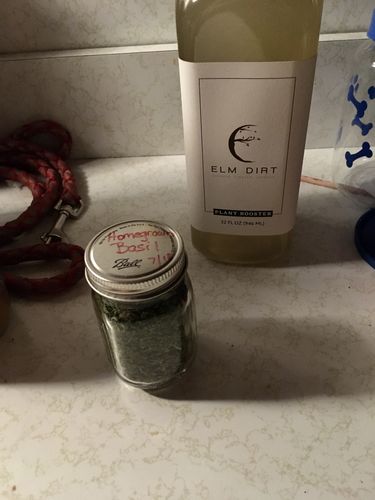
"This stuff is great! It's the end of the season for me this year but my basil was fizzling out. I used this for a boost and it loved it! I was able to fill my basil jar up after that! I can't wait to use it next year! It's completely organic and goes a long way!"
"I added some of the diluted water to my herbs. I have big pots outside and yogurt containers of herbs inside on the kitchen window sill. The basil was weak looking inside. I watered it and the next day the top leaves were bright green and stronger. The outdoor herbs are all healthier and growing better."
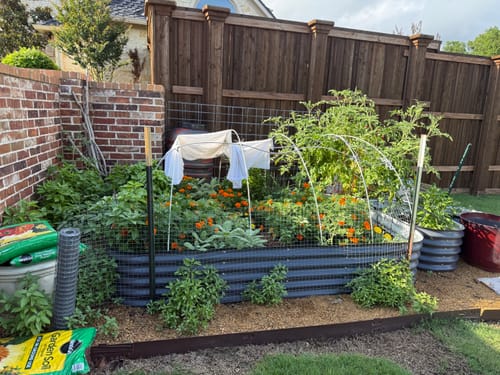
"I absolutely love these products. My garden did very well and this year my garden has overgrown. I came back from vacation and I have tomato plants and Thai basil and regular basil growing outside of my bed. I told my neighbors you can do your produce shopping in my yard."

"Trying to keep basil going — love my pesto! Only have one south-facing window, but regrowing after cutting back improved somewhat. Overall I am very encouraged! Shipping was very fast."
The One Thing That Keeps Herbs Producing All Summer

Okay. This is the thing nobody tells beginner herb gardeners, and it's why so many people end up with a bolt-y, bitter, half-dead plant by July.
Cut your herbs. A lot. More than feels right.
Every time you harvest, the plant responds by growing more. That's literally how they work. Basil especially — the second it sends up a flower stalk, it's game over for flavor. All the plant's energy goes into producing seeds and the leaves turn bitter. Pinch those flower buds off the moment you see them. Do it consistently and your basil will keep giving you leaves for months.
General rule: never cut more than a third of the plant at once. Always cut just above a leaf node — that's where new branches will shoot out. It feels counterintuitive at first, but trust the process.
Watering — The Place Most Beginners Go Wrong
I already told you how I killed my first basil. Overwatering is the #1 cause of death for potted herbs. By a mile. We've got a full post on watering container gardens if you want all the nuance, but here's the fast version:
- Finger test before you water: Stick a finger an inch into the soil. Still moist? Put the watering can down and walk away.
- Water at the base, not the leaves: Wet foliage is an open invitation for fungal disease.
- Water deeply, less often: This trains roots to go deep, which makes plants way more resilient.
- Mediterranean herbs (rosemary, thyme, oregano) actually want to dry out between waterings. Neglect them a little. They'll thank you.
- Basil and parsley like more consistent moisture, but "consistent" doesn't mean "constantly soaked."
How Much Sun Do Your Herbs Actually Need?
- Full sun (6+ hours): Basil, rosemary, thyme, oregano, chives
- Partial shade is fine (3-5 hours): Mint, parsley, cilantro, lemon balm
- South or west-facing spots are your best bet for a porch or balcony setup
Questions I Get Asked About Herb Garden Pots All the Time
Yes, with the right light. You need a south-facing window with 6+ hours of direct light, or a grow light. Basil, chives, parsley, and mint all do well indoors. Rosemary and thyme can work too, but they really want more light than most windows give them in winter — a basic LED grow light makes a big difference.
Single herb: 6-8 inches is fine. Mixed pot with 3-4 herbs: go 12-14 inches or bigger. Rosemary needs at least a 12-inch pot eventually because it really does get large. When in doubt, size up — bigger pots dry out more slowly and roots have more room to do their thing.
Yes — more than you'd think, actually. Every time you water, nutrients leach out the bottom. Container herbs can't tap into a deeper soil system, so they depend on you to replenish what's lost. Once a week with a diluted organic liquid fertilizer is the sweet spot. Just don't use heavy synthetic fertilizers on food you're going to eat. It affects flavor, and you're not getting any of the biological benefits that make herbs genuinely healthy plants.
Three most likely culprits: overwatering (most common), not enough light, or nitrogen deficiency. Check drainage first — if the soil's staying soggy, that's it. If drainage is fine and it's getting good light, try an organic nitrogen-fixing fertilizer. The Azospirillum in Plant Juice literally pulls nitrogen from the air and delivers it to the roots. No synthetic inputs needed.
Absolutely. A south or west-facing balcony with 5-6+ hours of sun can support basil, chives, thyme, rosemary, and more. Just watch for wind — it dries pots out fast and can stress young plants. Lightweight fabric or plastic pots are easier on a balcony than heavy ceramic.
Starts from the nursery are easier, full stop. Seeds are cheaper and more satisfying to watch, but slower and less forgiving. Basil, cilantro, and dill are the best candidates if you want to try seed-starting in a pot. Parsley, rosemary, and thyme are notoriously slow from seed — just grab a start and save yourself the frustration.
Honestly? You've Got This.
A herb garden in a pot is one of those things that sounds more complicated than it actually is. One pot, some good soil, a sunny spot, and a little attention to watering — that's genuinely all it takes to have fresh herbs all summer long. No big yard. No big investment. No green thumb required.
If I had to tell you the one thing that makes the biggest difference: start with living soil. Mix Ancient Soil worm castings into your potting mix and water weekly with Plant Juice. You're building an actual ecosystem in that pot — not just filling it with dirt and hoping. That's the whole difference.
Go grow something. You'll be shocked how quickly it catches on.
Plant Juice is CDFA certified organic — safe for herbs, vegetables, kids, and pets. 4.7 stars across 1,453 reviews.

Lauren Cain — Founder & Chemical Engineer, Elm Dirt | Grandview, MO
Lauren started Elm Dirt after her infant daughter ate dirt from the garden — and she decided then and there to build fertilizers around living soil biology, not synthetic chemicals. As a chemical engineer and mom, she formulated every Elm Dirt product from the ground up. Her products are now used by home gardeners, rose champions, organic growers, and farmers who believe that what's in the soil matters just as much as what ends up on the dinner table.