



The Organic Guide to Fall Rose Care (So They Come Back Stronger Next Year)

Updated October 9, 2026 · By Lauren Cain
Fall rose care means protecting the roots, not pushing the flowers. Feed gently in early fall, then stop fertilizing 6 to 8 weeks before your first hard frost. Stop deadheading a month before frost so hips form. Rake up and toss fallen leaves to cut blackspot. After a few hard frosts, mound 6 to 12 inches of compost or mulch over the crown. Save hard pruning for spring.
Reading this in October or later? In zones 5 through 7 the feeding window has probably closed. Skip the liquid feed, go straight to leaf cleanup and a deep watering, and mound the crown after your first few hard frosts. Zones 8 and warmer still have a few weeks of gentle feeding left. Not sure of your date? Check our frost date guide.
Every October my inbox fills up with some version of the same question. "My roses look tired. Do I feed them, cut them back, or what?"
Sort of all of the above, actually. Just not in the order most people try it.
The flowers you're looking at right now are about done, and nothing you do this month will change them much. What you're really working on in fall is next June. A rose spends these cool weeks quietly moving sugar out of its leaves and down into its roots and crown, stocking up like a squirrel, and if you go at it with fertilizer or pruners at the wrong moment you can undo a lot of that work.
I've killed my share of roses figuring this out. What finally made it click was watching a championship rose grower who uses our Bloom Juice treat fall like the most important season of his year. For roses, it pretty much is.
What's in this guide
- Why fall is when next year's roses are made
- When to stop deadheading roses
- What to feed roses in fall (and what to stop)
- Fall rose care schedule
- How to prevent blackspot next year
- How to protect roses over winter
- Should you prune roses in fall?
- Real gardeners, real results
- Frequently asked questions
Why Fall Is When Next Year's Roses Are Made
If you only remember one thing from this post, make it this. In fall, roses stop caring about their leaves and start caring about their roots.
Shorter days are the cue. The soil cools, the plant reads that as "winter's coming," and it starts pulling energy down into what amounts to a savings account. A rose that heads into winter with a full account and living soil around its roots comes roaring back in spring.
One that goes in stressed, or that you just tricked into pushing soft new growth? That one struggles. Some years it doesn't come back at all.
So I think of fall feeding as feeding the soil, not the plant. The chemical engineer in me sees a garden bed as a little reactor that slows way down as it gets cold, and your job right now is to keep it humming for as long as the ground stays warm. I wrote more about why living soil matters and what soil microbes get up to in winter if you want to nerd out with me.

Fall rose care happens underground. Keep the soil alive and the roots fed, and you're building next year's blooms right now.
When to Stop Deadheading Roses
All summer you're out there snipping spent blooms to keep the show going. Come fall, you put the snips down. On purpose.
About a month before your first hard frost, quit deadheading and let the last flowers fade right where they are. I know. It looks a little messy, and every tidy-gardener bone in your body will want to clean it up.
Leave it anyway. Once the petals drop, lots of roses form hips, those little round seed pods, and making hips is one of the ways the plant figures out the season's over and it's okay to go dormant. That's right where you want it before a hard freeze. (The birds appreciate them, too.)

Let the last roses fade instead of cutting them. The hips that follow help signal the plant it's time to rest.
What to Feed Roses in Fall (And What to Stop)
Short version: stop feeding for growth, keep feeding the soil.
The thing to cut off is nitrogen, since that's what drives leafy green growth. Somewhere around 6 to 8 weeks before your first hard frost, put away the synthetic rose food, the lawn fertilizer, and balanced feeds like 10-10-10. New canes that show up this late can't harden off (toughen up) before the cold hits, so the first real freeze kills them and the plant goes into winter worse off than if you'd done nothing at all.
It's the same mistake that makes flowers go green and leggy instead of blooming. Right nutrient, wrong time.
Early in fall, while there's still time on the clock, a gentle root-focused feed makes sense. That's what we built Bloom Juice for. We brew it from our own worm castings with kelp, bone meal, and seabird guano, so it leans toward phosphorus, calcium, and iron instead of a big shot of nitrogen. It won't burn roots at label rates.
It's also alive, which is the part I get excited about. When we sent it to BiomeMakers for lab testing, they found 192 microbial species, including Trichoderma harzianum at around 5,000 cells per mL. Trichoderma is a group of root-zone fungi known for settling in on roots and helping plants hold off soil-borne disease (more on Trichoderma here). To be clear, it won't fix blackspot on the leaves. That's a cleanup job, and we'll get to it. But it's good company for rose roots going into a long winter.
For the whole year at a glance, see our guide to rose feeding through the seasons.

Bloom Juice is a gentle, worm-castings-based feed. In early fall it supports roots and soil life without forcing tender canes.
Fall Rose Care Schedule
Don't overthink this part. Your frost date runs the whole show.
| Timing | What to do |
|---|---|
| Early fall (8+ weeks before first frost) | Water in Bloom Juice at 2 to 3 oz per gallon every 2 to 3 weeks |
| 6 to 8 weeks before first frost | Last feeding. Stop all fertilizer so the plant doesn't push tender growth |
| 4+ weeks before first frost | Stop deadheading. Let blooms fade and form hips |
| As leaves drop | Rake up and throw away fallen leaves, especially from spotted plants |
| Before the ground freezes | Water deeply one last time |
| After a few hard frosts | Mound 6 to 12 inches of compost, soil, or mulch over the crown, with worm castings mixed in |
| Early spring | Pull the mound back gradually, then prune |
You'll notice there's no big fall "bloom booster" moment in there. That's on purpose. Fall is about winding down gently, and growth feeding can wait until the plant wakes up in spring.

Your first hard frost date sets the whole fall rose schedule. Count back from it.
How to Prevent Blackspot Next Year
Nobody gets excited about raking under rose bushes. I sure don't. It's still one of the most useful things you'll do all fall.
Blackspot and the other rose fungi spend the winter in the dead leaves under your plants, and some spores hang on in the soil around a sick rose, too. So once the leaves start dropping, rake them up and put them out with the trash. Not in the compost pile. If one particular rose was spotty this summer, give that one a little extra attention.
Every infected leaf you get rid of now is one that can't splash spores onto fresh growth in May. It costs you an afternoon. Same logic as any good end-of-season garden cleanup, and if you'd like to keep disease down without reaching for sprays, read how microbes protect your garden.

Rake up and toss the fallen leaves under your roses. That's where blackspot waits out the winter.
How to Protect Roses Over Winter
If you garden somewhere with real winters, this is the big one. And you have to wait for it.
The rose needs to be fully asleep first, so hold off until a hard frost has knocked most of the leaves off. University of Illinois Extension even suggests waiting until nights have dipped into the teens. Pile mulch on too early and you trap warmth that keeps the plant half-awake, which is the opposite of what you're after.
Once it's dormant, mound 6 to 12 inches of compost, loose soil, or mulch over the base, deeper the colder your zone. You're protecting the crown and, on grafted roses, the graft union. That's the knobby bump near the soil line where the fancy rose was joined onto tougher rootstock, and it's the most cold-sensitive spot on the whole plant.
A couple of small things make a surprising difference:
- Haul your mounding soil in from somewhere else in the yard. Scraping it up from around the rose tears up the very roots you're trying to protect.
- I like to stir a scoop of Worm Castings into the mound. Feeding the soil once the plant is dormant won't wake it, and when spring comes the roots find a rich, living root zone waiting for them.
When spring rolls around, pull the mound back a little at a time so it doesn't turn into a mold factory. There's more on mulching for a healthier garden if you want the details.

Once the rose is dormant, mound mulch over the crown and graft union. In cold zones, this one step matters more than any other.
Fall rose care in one line: feed the roots, not the leaves. Then let the plant rest, cover the crown, and stay out of its way until spring.
Should You Prune Roses in Fall?
Barely. Every fall somebody gets the itch to cut their roses way back "so they're neat for winter," and it's one of the most common rose mistakes I see.
Pruning hard tells a rose to grow. Right before a freeze, that's about the worst message you could send. Save the real shaping for late winter or early spring, when the plant's about to wake up anyway. This time of year, I only do two things:
- Shorten the tall, whippy canes. Trim back the extra-long ones just enough that winter wind can't whip them around and rock the plant loose. You're taking the sail off, not shaping.
- Cut out anything dead or diseased. If a cane is clearly dead, broken, or spotted, it goes, so the problem doesn't overwinter.
Everything else stays put. A slightly shaggy rose with its crown tucked in comes through winter a lot better than a neatly hacked one that got fooled into putting out new shoots. When spring comes, our guide on how to care for roses walks you through the real pruning.

Save the hard pruning for spring. In fall, roses do best left mostly alone.
Looking after more than roses? The same gentle approach works across the whole garden. We use Plant Juice for overall plant and soil health and Bloom Juice where we want more flowers, with worm castings underneath everything. If you can never keep straight which one goes where, the Plant Juice vs. Bloom Juice guide sorts it out. And when you catch yourself daydreaming about June, read how to get more blooms on roses naturally.
Real Gardeners, Real Results
I'd rather you hear it from people growing roses in their own yards.
LeAnn G.
A few days after plant booster everything greened up. My roses had some issues after a previous vicious winter. I also applied Elm Dirt a few days later for extra love. It’s quite wonderful to see this change! Great products, easy to apply.

Linda F.
Using elm plant food every2-3 weeks alternating with plant bloom. Has given my roses healthy blooms and few diseases of the leaves. Love the product.

Linda C.
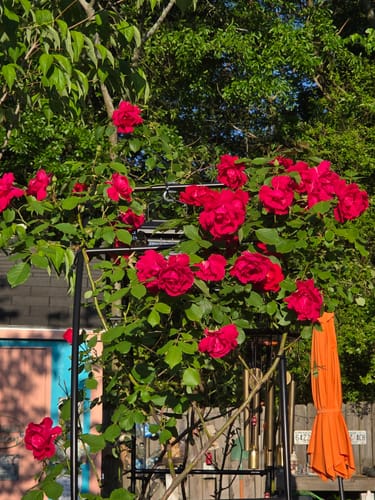
I moved a 10 plus year old Climbing Rose to a new created Rose Garden I planted it to climb on an arch trellis and placed a smaller piece on the other side to meet in the middle!!
The bigger one went into shock but with the help of Daily Plant Juice then Bloom Juice.. she's back beautiful!!
Evalie D.
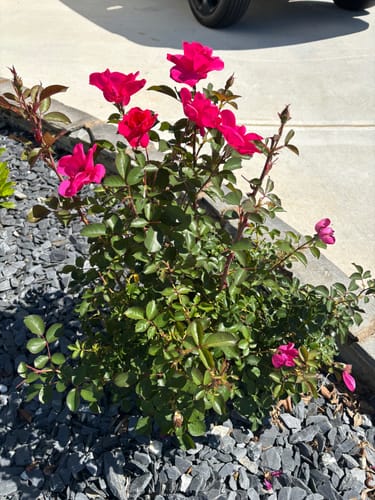
My rose bushes are a lush green with lots of blooms and my canna Lillie's only had a few flowers previous to using Elm Bloom on them. I have a rock bed instead of mulch and using a liquid helps to get the solution into the roots.
Frequently Asked Questions
Should you fertilize roses in the fall?
Yes, but only early in fall and only gently. Use a low-nitrogen organic feed while the soil is still warm, then stop about 6 to 8 weeks before your first hard frost. Feeding later pushes tender new canes that freeze. Once the rose is fully dormant, worm castings mixed into the winter mulch feed the soil without waking the plant.
When should I stop fertilizing my roses before winter?
Stop fertilizing roses about 6 to 8 weeks before your average first hard frost. In much of the Midwest that falls around mid-August to early September. University of Illinois Extension recommends no fertilizer after August 15 in northern Illinois. Warmer zones can feed later.
What is the best fertilizer for roses in fall?
The best fall rose fertilizer is a gentle organic feed that is lower in nitrogen and higher in phosphorus and potassium. Avoid high-nitrogen and balanced synthetic feeds like 10-10-10 in fall. Elm Dirt Bloom Juice, mixed at 2 to 3 ounces per gallon and watered in every 2 to 3 weeks in early fall, supports roots and soil life without forcing soft growth.
Should I prune my roses in the fall?
Only lightly. Shorten very tall canes so winter wind cannot rock the plant, and remove dead or diseased wood. Save hard pruning and shaping for late winter or early spring, when the plant is about to wake up anyway.
When should I mulch roses for winter?
Mulch roses after a hard killing frost has dropped most of the leaves and the plant is dormant. University of Illinois Extension suggests waiting until nights have dipped into the teens. Mounding too early can keep the plant awake when it should be resting.
How do I protect roses over winter?
Clean up fallen leaves, water deeply before the ground freezes, then mound 6 to 12 inches of compost, loose soil, or mulch over the crown and graft union once the rose is dormant. Bring the mounding soil in from elsewhere rather than scraping it from around the roots. Pull the mound back gradually in early spring.
Do a Little Now, Get a Lot in June
None of this is fussy. Mostly it's knowing when to step back.
Feed a little early, then quit. Let the last blooms go. Get the sick leaves out of there, give everything a deep drink, and tuck the crown in once the plant's asleep. Then leave the pruners in the shed until spring, which, I'll admit, is the hardest part for me.
A couple of cool afternoons now, and your roses will pay you back in June.
Sources & further reading: University of Illinois Extension, Roses: Care; Washington State University Extension, Put Roses to Bed for the Winter; New York Botanical Garden, Winter Preparation for Roses; Harman GE, Howell CR, Viterbo A, Chet I, Lorito M. Trichoderma species: opportunistic, avirulent plant symbionts. Nature Reviews Microbiology 2004;2(1):43–56.

Lauren Cain
Founder & Chemical Engineer · Elm Dirt, Kansas City
Lauren started Elm Dirt after her 6-month-old daughter grabbed fistfuls of backyard dirt and ate them. As a chemical engineer and a mom, she couldn't just shrug it off, so she dug into the science of what was really in garden soil. That rabbit hole led her to build a fertilizer line around beneficial microbes instead of synthetic chemicals. Today Elm Dirt's products are used by home gardeners, rose show champions, and organic growers across the country.