



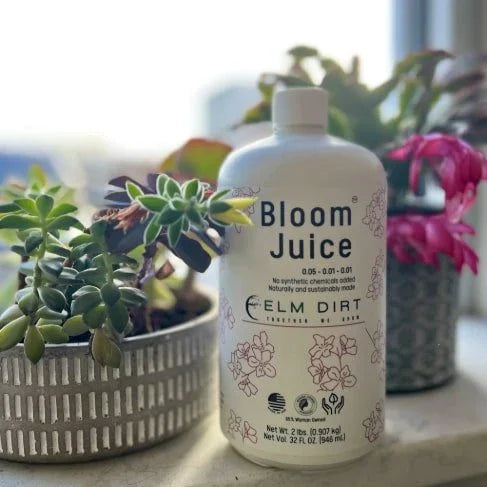


I love to see it grow everytime I feed them
Couldn't load pickup availability

Award-winning liquid fertilizer that actually gets plants to bloom more. Living microbes trigger flowering, strengthen stems to hold heavier fruit, and help plants handle stress. Used by championship rose growers who know what works.
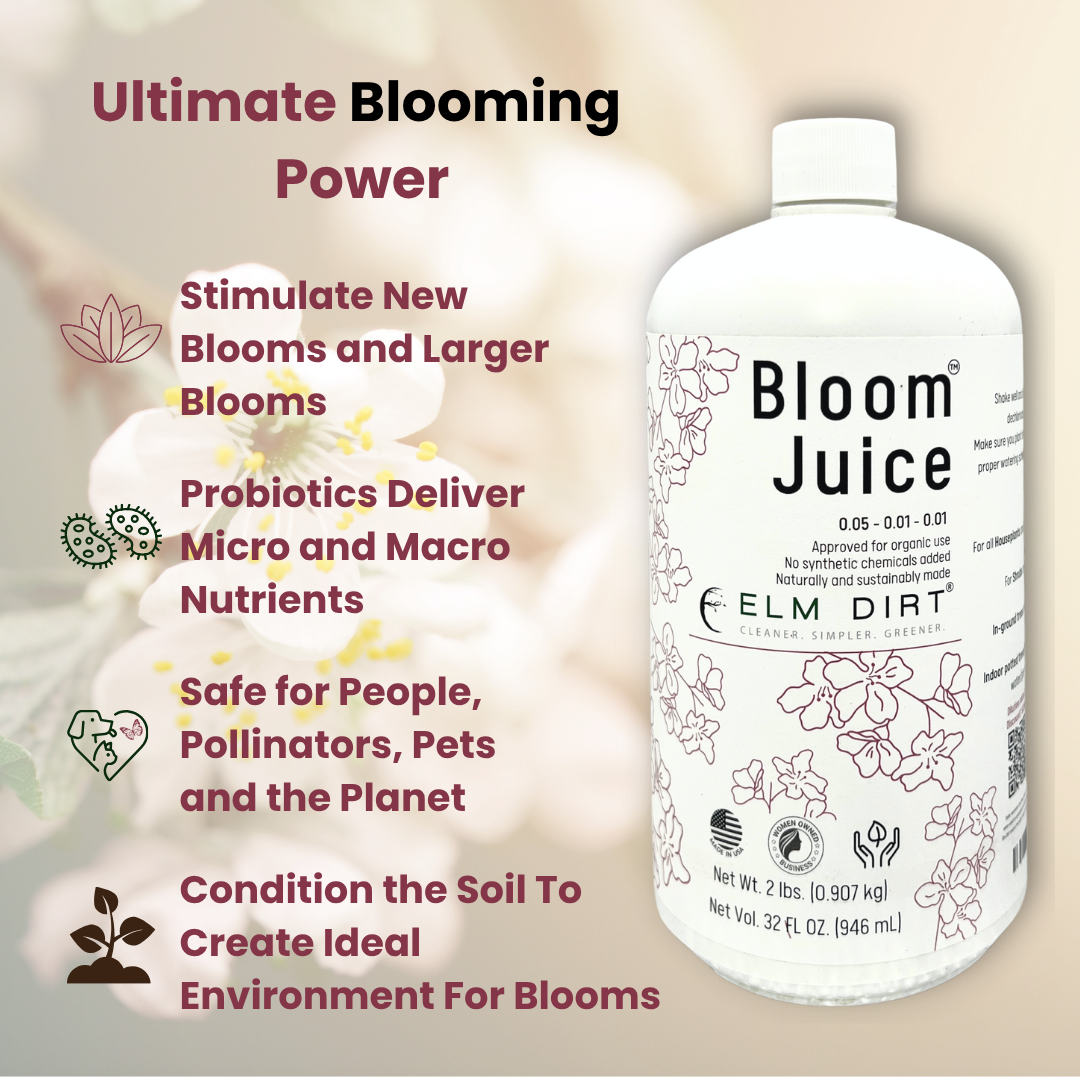
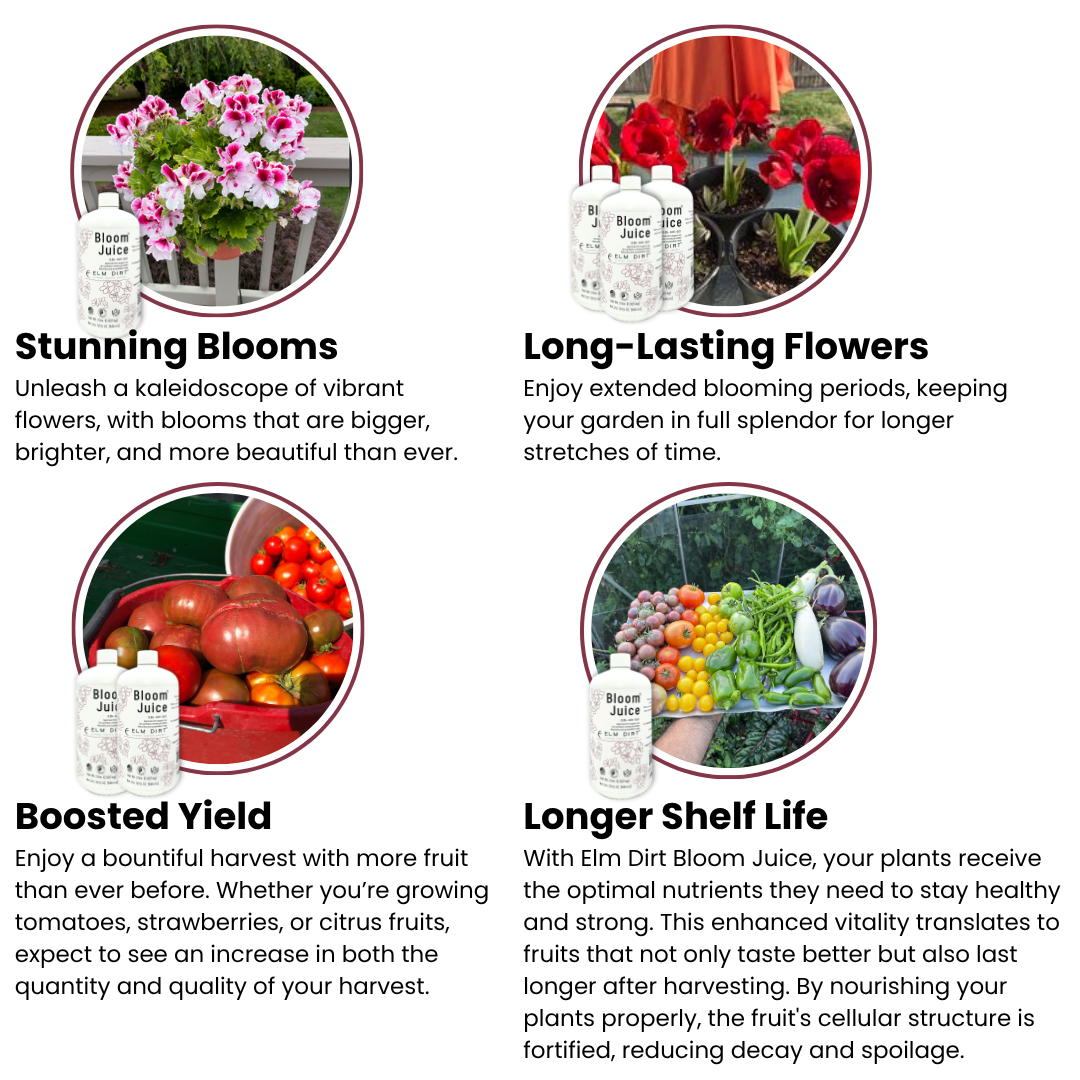
Proprietary microbe blend triggers blooming and increases flower production. More blooms, bigger blooms, longer blooming period.
Helps plants develop stronger stems that can support heavier fruit and vegetables without breaking or drooping.
Made from worm castings with beneficial microbes that colonize soil and improve nutrient delivery to blooming plants.
Helps plants handle drought, heat, and environmental stress better. Keeps blooming even in tough conditions.
Tomatoes, peppers, squash, melons—anything that flowers and fruits. Stronger stems hold heavier produce without staking.
Championship rose growers use this. More blooms, healthier plants, better disease resistance, show-quality flowers.
Keeps petunias, zinnias, marigolds blooming all season. Non-stop flower production from spring through frost.
Daylilies, coneflowers, salvia—more blooms per plant and extended blooming periods throughout the season.
Award-winning organic liquid fertilizer with living microbes
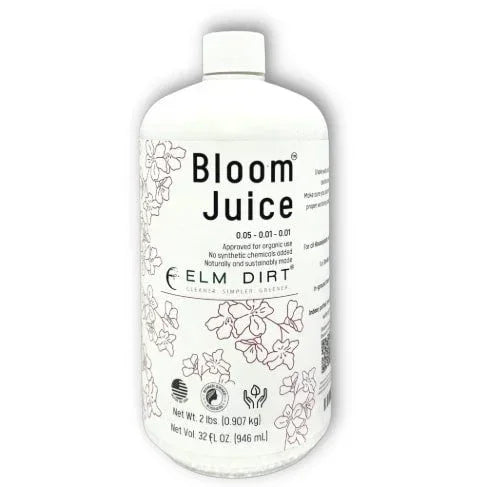
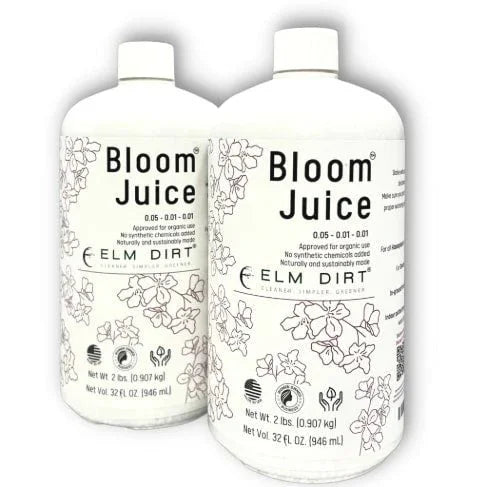
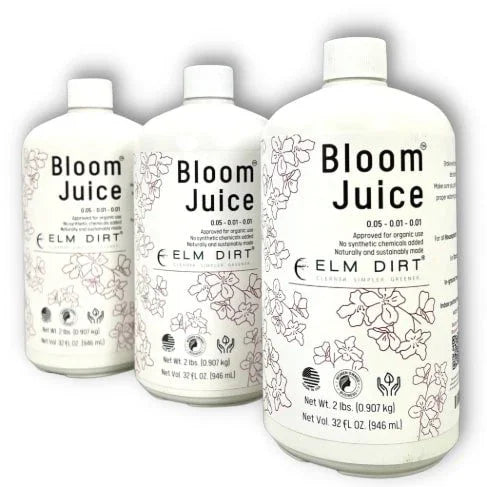
32 oz bottle • 100% post-consumer recycled plastic
Look, there are a million bloom boosters out there that promise more flowers. Most of them are just high-phosphorus fertilizers with fancy labels. This is different—it's a living liquid made from worm castings that's been brewed to multiply beneficial microorganisms.
The microbes colonize around plant roots and trigger flowering responses. The organic nutrients (phosphorus, calcium, iron) give plants what they need to produce blooms. And the whole system helps plants handle the stress of heavy blooming without falling apart mid-season.
Championship rose growers use this. Vegetable gardeners get bigger yields. Annual flowers keep pumping out blooms all season instead of petering out by July. It works because it's addressing what actually makes plants bloom—not just dumping fertilizer on them and hoping.
There's this rose grower in Missouri—serious competitive guy who'd been winning rose shows for years. Then someone applied the wrong chemicals to his rose bushes. Completely trashed them. Leaves burned, growth stunted, looked like they were going to die.
He started using Bloom Juice to try saving them. Not only did the roses recover, they came back stronger than before. He went on to win 57 ribbons at the Missouri State Rose Championship. That's not "better than nothing"—that's producing show-quality roses that beat other championship growers.
Why does this matter? Because if it works on chemically-damaged competitive roses that need to be absolutely perfect, it'll work on your tomatoes and petunias. Read the full story here.
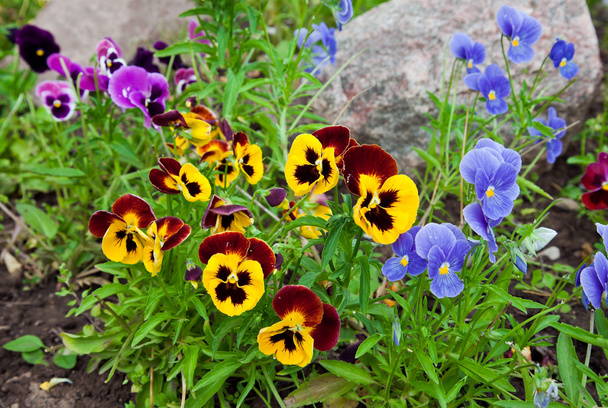
The beneficial microorganisms colonize in the root zone and produce compounds that trigger flowering responses in plants. It's not just feeding them—it's actually signaling the plant to prioritize bloom production. You typically see increased bloom counts within 2-4 weeks of starting regular applications.
One of the things growers notice first: stems get thicker and stronger. Tomato branches can support more fruit without bending. Rose canes hold up big blooms without flopping over. The combination of calcium, micronutrients, and living biology creates structurally sound plants that can handle the load of heavy blooming and fruiting.
Plants under stress often stop blooming to conserve energy. Bloom Juice helps them maintain flowering even when conditions aren't ideal. The beneficial microbes improve root function and nutrient uptake, so plants can keep producing blooms during heat waves, dry spells, or other environmental challenges that would normally shut down flowering.
This isn't just dissolved fertilizer. We brew worm castings with specific ingredients to multiply beneficial microorganisms. The result is a living liquid that colonizes in your soil and continues working between applications. Each time you apply it, you're adding biology that improves soil health, not just dumping nutrients that wash away.
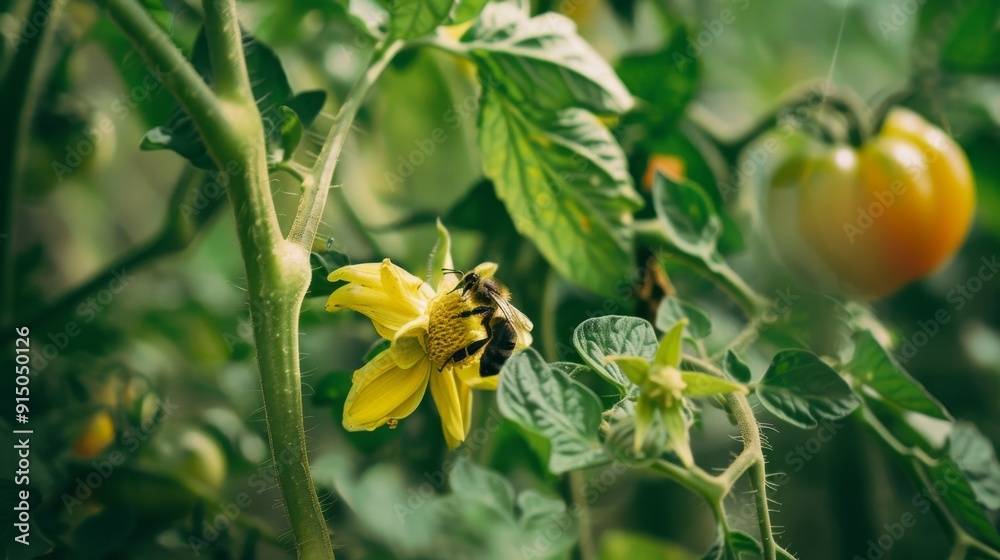
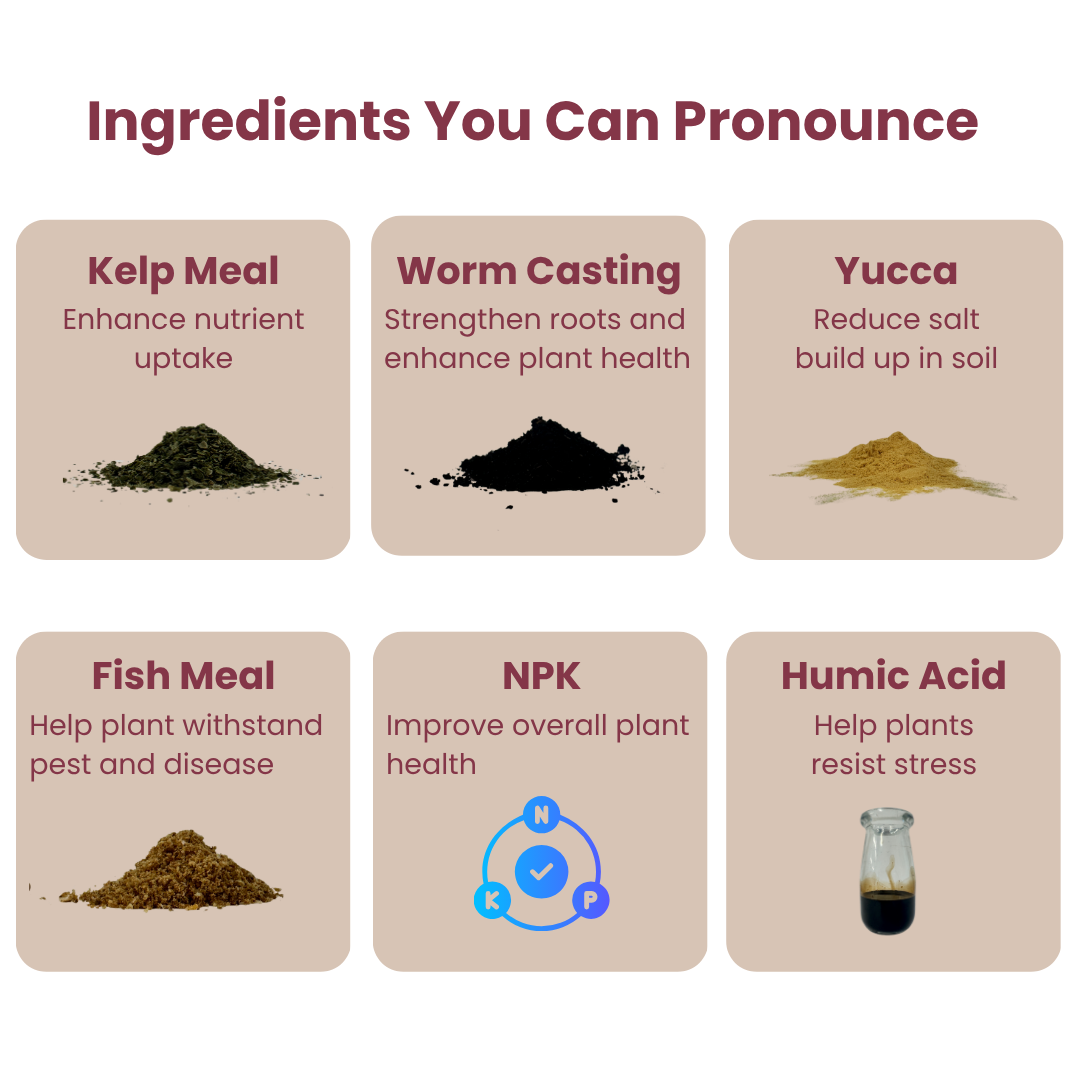
Bloom Juice starts with our premium worm castings—the same Class A certified stuff we sell on its own. Then we brew it with specific organic ingredients to create a living liquid fertilizer:
Everything is organic. No synthetic chemicals. The brewing process multiplies the beneficial microorganisms, creating a living product that's way more than just the sum of its ingredients.
About color and smell variation: This is a living, brewed product. Color can range from dark brown to almost black. Smell varies from earthy to slightly fishy. Texture might have some sediment. These variations are normal—the formula and beneficial biology are consistent even if appearance varies batch to batch. Shake well before using.
Bloom Juice is flexible—you can apply it several different ways depending on your situation.
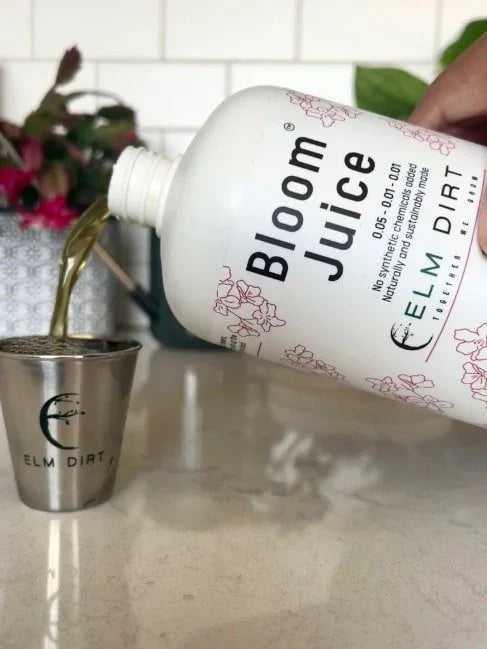
Mix 2 oz per gallon of water. Apply every 7-14 days during growing season. In winter when most houseplants are dormant, reduce to once monthly or stop completely.
Mix 3 oz per gallon of water. Apply every 14-21 days. During peak blooming season, competitive rose growers sometimes apply weekly. Water deeply around the base and out to the drip line.
Mix 1 cup per inch of tree diameter with 1 gallon of water. So a 6-inch diameter tree gets 6 cups of Bloom Juice mixed with 6 gallons of water. Apply twice per year—once in early spring as growth starts, once in early fall.
Mix 1-2 oz per gallon per inch of trunk diameter. A 3-inch trunk gets 3-6 oz per gallon. Apply twice monthly during growing season. Reduces to monthly in winter.
Mix 2-3 oz per gallon. Apply every 2-3 weeks once plants start flowering. For heavy feeders like tomatoes, peppers, and squash, you can increase to weekly applications during peak production.
Bloom Juice contains billions of living microorganisms. Chlorine in tap water kills microbes—that's literally what it's designed to do. If you mix Bloom Juice with chlorinated tap water, you're killing a significant portion of the beneficial biology.
Ways to get dechlorinated water:
If you only have tap water available, Bloom Juice will still work—the organic nutrients are still there. You just won't get the full microbial benefits. Some benefit is better than no benefit.
Chloramine note: Some water systems use chloramine instead of chlorine. Chloramine doesn't evaporate like chlorine does. If your water has chloramine, you'll need aquarium dechlorinator drops or a different water source for best results.
Plants perk up. Leaves get darker green. New growth looks vigorous. You might not see bloom changes yet, but the plant is responding to the nutrition and beneficial microbes.
This is when you start seeing more flower buds. Roses put out more canes with flower buds. Tomatoes set more fruit. Annual flowers start producing blooms more prolifically. The microbes have colonized and are triggering flowering responses.
Plants maintain heavy blooming throughout the season instead of slowing down. Roses keep producing show-quality blooms. Vegetable plants keep setting fruit. Annual flowers don't peter out by mid-summer. This is where regular applications really shine—sustained performance over time.
Over several weeks, stems get noticeably thicker and stronger. Tomato plants support more fruit without staking. Rose canes hold up heavy blooms without flopping. Plants just look more vigorous and sturdy overall.
This is where Bloom Juice made its reputation. Rose growers see more blooms per bush, better disease resistance, healthier foliage, and show-quality flowers. If you're serious about roses—whether competitive or just want an amazing rose garden—this is worth trying. Mix 3 oz per gallon, apply every 2-3 weeks (or weekly during peak season).
More flowers means more fruit. Stronger stems mean they can support those heavy heirloom tomatoes without breaking. Better stress tolerance means they keep setting fruit even during heat waves. Apply once flowering starts, continue every 2-3 weeks through the season. Many growers report noticeably larger yields.
These heat-loving crops benefit from the stress tolerance and flowering trigger. They'll set more fruit and keep producing later into the season. The stronger stems support the weight of multiple large peppers without branches breaking.
Vine crops that produce heavy fruit need strong vines and lots of flowers. Bloom Juice helps both. You'll see more female flowers (the ones that become fruit) and vines that can support the weight without collapsing mid-season.
Petunias, zinnias, marigolds, cosmos—whatever you're growing for color. Instead of strong early blooming that fades by July, you get sustained production all season. Deadheading still helps, but plants keep pumping out new flowers even without it.
Daylilies, coneflowers, black-eyed susans, salvia, phlox—perennials bloom more prolifically and often extend their blooming period by a couple weeks. Some reblooming perennials will rebloom more reliably with regular Bloom Juice applications.
More flowers equals more potential fruit. Better stress tolerance means less fruit drop during challenging weather. Stronger branches support heavier fruit loads. Apply in early spring as buds form and again after fruit set.
Many orchid growers use Bloom Juice to trigger reblooming and extend bloom duration. The microbes seem to help orchids that have been sitting dormant to produce new flower spikes. Use at half strength (1 oz per gallon) every 2 weeks.

For vegetables and annuals: Start when plants begin flowering. No point applying bloom booster before they're ready to bloom. Once you see first flowers, start regular applications.
For roses and perennials: Start in early spring as new growth emerges. This helps them develop strong structure before blooming and ensures beneficial microbes are established when flowering begins.
For fruit trees: Apply once in early spring as flower buds form, again after fruit set. The spring application helps with fruit set, the second application supports fruit development.
For established plants mid-season: You can start anytime. You'll see benefits within a few weeks regardless of when you begin. Plants already in bloom will produce more flowers on their next flush.
It's hard to overdo it with Bloom Juice since it's organic and the nutrients release slowly. The worst thing that happens with overapplication is you waste product—not that you hurt plants.
That said, stick close to recommended rates for efficiency. More isn't always better. The microbial activity is what triggers flowering, and once those microbes colonize your soil, dumping more doesn't amplify the effect proportionally. Regular applications at proper rates work better than occasional heavy doses.
If you're trying to correct a severe deficiency or revive struggling plants, you can apply weekly for a few weeks to kickstart recovery. But for maintenance, every 2-3 weeks is plenty.
Store at room temperature out of direct sunlight. The bottle is opaque to protect the microbes from UV light. Shake well before each use—some settling is normal.
Shelf life is approximately 1 year from manufacture date. After that, the microbial activity diminishes though the nutrients remain. The product won't go "bad" in a way that harms plants, it just becomes less effective over time.
If you notice a strong ammonia smell or the product looks or smells off, it may have gone anaerobic (no oxygen brewing). This is rare but can happen. Contact us for a replacement.
Don't freeze. Freezing can kill the beneficial microbes. If it accidentally freezes, let it thaw and use it—the nutrients are still good even if microbial counts are reduced.
Bloom Juice works great alongside other organic fertilizers. Many growers use it with compost, worm castings, or other amendments. The beneficial microbes actually help break down and make available nutrients from other sources.
Can be used with synthetic fertilizers too, though some of the harsh salts in synthetics may reduce microbial activity. If you're using synthetics, you won't get full benefit of the living biology but the nutrients in Bloom Juice still work.
If you're using other liquid fertilizers, alternate them with Bloom Juice or apply them at different times (synthetic on Monday, Bloom Juice on Thursday, for example). Mixing them together in the same watering can is fine but not necessary.
Check basics first: Are plants getting enough light? Proper water? Most blooming plants need at least 6 hours of direct sun. If light is insufficient, no fertilizer will fix that. Also check if you're using dechlorinated water—chlorine kills the beneficial microbes that trigger flowering.
Fish meal and seabird guano don't smell great. Some batches smell stronger than others. This is normal. The smell dissipates after application. If it smells like ammonia (sharp, chemical), that's different—contact us.
Normal. The organic ingredients settle. Shake well before use. If you can't get it to mix, let the bottle sit at room temperature for a few hours and shake again.
The 32 oz bottles are made from 100% post-consumer recycled plastic. Remove the label and lid before recycling (they're different plastic types). The bottle itself is recyclable.
All ingredients are organic and safe for use around pets, kids, and wildlife once applied and watered in. Keep concentrate away from pets—the fish and guano smell may attract them to drink it, which won't hurt them but isn't ideal.
No synthetic chemicals means no harmful runoff into waterways. The beneficial microbes and organic nutrients are exactly what healthy ecosystems need.
How does Bloom Juice increase blooms?
Bloom Juice contains a proprietary blend of beneficial microorganisms that colonize around plant roots and trigger flowering responses. The phosphorus, calcium, and micronutrients provide the building blocks plants need for bloom production, while the living biology helps plants access those nutrients efficiently. Users typically see increased bloom counts within 2-4 weeks of regular application.
Can I use Bloom Juice on vegetables and fruit?
Absolutely! Bloom Juice works great on any plants that flower and fruit—tomatoes, peppers, squash, melons, fruit trees, berry bushes, everything. It helps trigger flowering (which leads to fruit production) and strengthens stems so they can support heavier fruit without breaking. Many vegetable gardeners see increased yields and larger fruit.
How often should I apply Bloom Juice?
Apply every 2-3 weeks during the growing season for best results. For heavy bloomers like roses or tomatoes, some growers apply weekly during peak blooming. Mix 2-3 oz per gallon of water and apply to soil around the plant base. You can also use it as a foliar spray for faster nutrient uptake.
Will this work on roses?
Yes! Bloom Juice was used by a championship rose grower who won 57 ribbons at the Missouri State Rose Championship after using it to revive chemically-damaged rose bushes. Rose growers report more blooms per bush, better disease resistance, healthier foliage, and show-quality flowers. Mix 3 oz per gallon for roses and apply every 2-3 weeks.
Do I need to use dechlorinated water?
For best results, yes. Chlorine in tap water can kill some of the beneficial microorganisms in Bloom Juice. Let tap water sit out for 24 hours to allow chlorine to evaporate, or use well water, rain water, or store-bought dechlorinated water. If you only have tap water available, Bloom Juice will still provide benefits from the nutrients, just with reduced microbial activity.
Can I use this as a foliar spray?
Yes! Foliar feeding delivers nutrients directly through leaves for faster uptake. Mix at the same rate (2-3 oz per gallon), spray leaves until dripping, and apply in early morning or evening to avoid leaf burn. Many growers alternate between soil application and foliar feeding for maximum benefit.
How long does a bottle last?
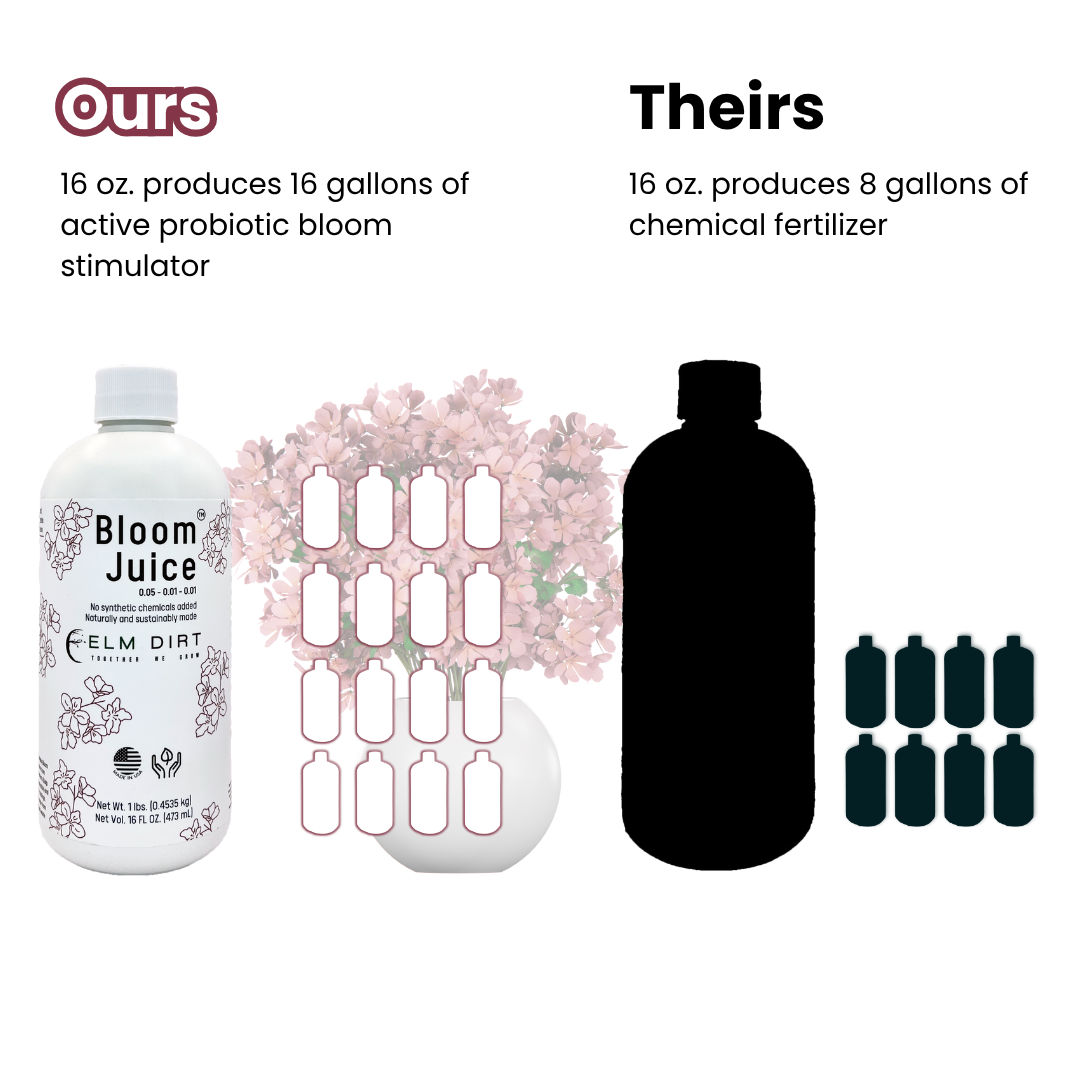
A 32 oz bottle makes 10-16 gallons of diluted solution depending on your mix rate. For a typical home garden with 20-30 plants, one bottle lasts most of the growing season with applications every 2-3 weeks. Larger gardens or weekly applications will use it faster.
Is Bloom Juice safe for organic gardening?
Yes! All ingredients are organic—worm castings, kelp meal, bone meal, seabird guano, fish meal, and natural extracts. No synthetic chemicals or fertilizers. Safe for edible crops with no wait time before harvest.
Award-winning organic liquid fertilizer with living microbes
Championship rose growers use this • Bigger yields • Stronger plants
Add to CartOverall rating: 4.6 / 5 from 928 reviews.
I love to see it grow everytime I feed them

My new leaf looks good and healthy

They all seem very happy. I have seem more blooms on my flowers and the rest of them are nice and perky.

Love this product plants took off with new vigorous growth and am looking forward to start using the bloom formula!

Loving Bloom juice that really embellish my garden

Works like a charm! I'm on my fifth order.

I have been using Elm Dirt in my garden for 3 years now. This year is especially successful.

Not for sure if you can. The first two photos are of a tomatoe plant that was struggling to thrive. After applying your Elm product I saw no change. Matter of fact, the leaves got more yellow leaves. I didn't use it on any other plant after applying it twice in that month. You can see in my other pictures that my other plants continued to grow. I use heirloom seeds and I prepare my dirt carefully before planting. I was hoping that this would work as many of the testimonies had said that ur products worked for them. I followed the instructions. I would like a refund. I'm don't feel that your products will work for me. Thank you, Jada Kelly

Wonderful product! Was skeptical at first but the results speak For themselves

I used the Plant Juice on a struggling Gardenia plant and within a week, the whole thing died.

I used the bloom juice all over the garden and got bountiful, colorful, healthy flowers all summer long ❤️

Keeps my plants healthy

My plant is dying . This is crazy

My plants are doing great using your products. Couldn't be happier with the results.

Excellent product

I love these products! My plants are so much happier. Thank you 😊

Our crêpe myrtles were not flourishing; blossoms were not showing, the entire plant was looking tired, grayish. There was nothing spectacular about it. Then I ordered your plant juice and bloom juice, and applied it as per the directions around the base of the plant. Now, I and my whole family, are enjoying the stunning beauty of these exciting plants in our backyard.

It’s August and my plants on the deck look incredible. Thanks to bloom juice❣️

My plants love elm dirt! So many of my plants bloom because of bloom juice as well!

Bloom juice dramatically increases blooms without worries about chemicals

Our plants are growing and thriving. The blooming plants are stunning. The plants are growing so large and we use this on cuttings to make more plants.

I love your product! I’ve been using your plant and bloom food for at least 2 years. My plants are thriving! Thank you for a great product!

My impatiences on the side of the garage were struggling until I started using Bloom Juice on them. Now they are beautiful! So many compliments.

Always love to see my containers blooming.

Started with Plant juice, worked like a charm and have now transitioned to Bloom juice and could not be happier ….. well thats what my plants are telling me :)

Good

We have used Bloom & Plant juice for a few years. Everything thrives and flourishes with these two products. Very easy to use and no smell. I cannot say enough good things about them.

brighter and more abundant blossoms

Everything looks gorgeous blooming. 😍

I use the plant stuff from plant bloom works great

So far so good i have more that im getting ready to juice

I’ve been growing plants all my life with no success. I would be spending money on purchasing plants when I used to buy them from the box stores and they will last a couple of weeks then they wouldn’t look good anymore until I found this product I’ve been using it for six months or more and the good thing about this product is that you really don’t have to measure when you’re mixing and it will not burn the plants they’re just loving it.

Every product Ive ordered has been fantastic , my plants Love it all. I'm so happy to have found this company to supplement my plants and gardens. Highly recommend.

I like that it is organic...The garden is doing well so far. End of July and August hopefully is plentiful

Awesome products that make me look like I know what I’m doing

Everything grows and thrives and gets rescued unless I’m too late.

This is liquid gold. I've been gardening for years, and my flowers have never looked more vibrant, healthy, and full. I'm a true fan!!

My flowers & plants love Bloom Juice!

Awesome juice have turned my friends and neighbors on to this product. Sorry for late review but have been traveling. As you can see my plants are in lala land. Vegetables doing well also. I mix your juice both bloom and plant juice together in 5 gallon jug and water and feed weekly.

My gardens are all in bloom as of June 5th. They are all fortified with Bloom Juice twice a month.