



How to Winterize Your Raised Beds in One Afternoon

Winterizing a raised bed is a one-afternoon job. Clear out the spent and diseased plants, pull any weeds before they seed, top up the soil that settled over the season, feed it with compost and worm castings watered in with a microbe-rich organic fertilizer, then blanket the whole thing with 2 to 4 inches of mulch or shredded leaves. Do the cleanup after your first hard frost and the feeding within about two weeks of it, while soil is still above 50°F. You're not closing the bed down. You're setting it up to wake up rich, alive, and ready to plant in spring.
In April you pull the mulch back off a raised bed and the soil underneath is so loose you can plant with your hands. No trowel. That's the payoff, and it costs you one afternoon in October.
Took me a few seasons to figure that out.
My old routine, if you can call it that, was walking past the beds sometime in late October, seeing the dead tomato vines still hanging on their cages, and deciding that was a spring problem. Then spring would show up. Soil down four inches from where I left it, packed hard as a driveway, chickweed everywhere. And there I'd be in the first warm week of the year, hauling bags of dirt, fighting my own beds instead of planting anything in them.
Three beds. Two hours. That's the whole thing now, and the mulch step takes the longest only because I'm slow about raking.
Below is the order I do it in, with timing broken out by zone since October in Minnesota and October in Georgia are not the same month.
What's in this guide
- Why raised beds are a little different
- When to do it, by USDA zone
- Step 1: Clear out the spent stuff
- Step 2: Top up and level the soil
- Step 3: Feed the soil (the step that pays off)
- Step 4: Blanket it with mulch
- Optional: Sow a quick cover crop
- Your one-afternoon checklist
- What's happening under that mulch all winter
- Real gardeners, real results
- Frequently asked questions
- Where to go next
Why Raised Beds Are a Little Different
An in-ground garden has the whole planet sitting underneath it, buffering the temperature swings. A raised bed has air on four sides and a two-by-ten board between it and February.
So beds freeze harder. They dry out faster. They burn through organic matter at a clip that surprises people the first time they measure it.
Which is just the flip side of why we all built them in the first place — the drainage, the soil that warms up two weeks early, not having to get down on the ground to pick beans. NC State Extension says the same thing in drier language: raised beds settle and lose structure faster than in-ground soil because they're better aerated and worked harder.
The fix is easy, though, and that's the part worth hanging onto. A bed is a box. You're not fixing a whole yard, you're fixing something you can reach across.
- One or two bags of amendment will fill a 4x8 back up
- You can cover the entire surface in about four minutes, and covering it is most of the protection
- Whatever you put down in October has until March to work, unsupervised
If you're new to beds or thinking about building one, the raised bed guide and raised garden bed care posts cover the rest of the year.
When to Do It, by USDA Zone
Timing trips people up more than the actual work does. Go too early and you're pulling peppers that had another three weeks in them. Go too late and the ground's already cold, so everything you spread just sits up there looking decorative until April.
What you're aiming for: cleanup after the first hard frost, then feeding and mulching within a couple weeks of that, while the soil's still above 50°F. I keep a cheap soil thermometer stuck in the middle bed all fall, which is either good practice or a personality trait, hard to say.
| USDA zone | Typical first hard frost | Do this routine | Cover crop still possible? |
|---|---|---|---|
| Zones 3–4 | Mid to late September | Late September to mid October | Usually not — sow by late August, otherwise mulch |
| Zones 5–7 | Early to late October | Mid October to early November | Yes if you're 4–6 weeks out from a hard freeze |
| Zones 8–10 | Late November or later | November into early December | Yes, plenty of time — clover and rye both do well |
Those are ranges, not appointments. If you're not sure where your first frost lands, our frost date guide will get you a real number for your area instead of a guess.
Step 1: Clear Out the Spent Stuff
Pull what's finished or sick. The rule is short enough to keep in your head while you work: diseased, spent, or about to drop seed, and it's out.
- Spent annual vegetables. Tomatoes, peppers, squash, beans, cucumbers. Once they quit producing they're mostly providing housing. The tomatoes are the ones I'd never leave — they carry more into next season than anything else in that bed.
- Anything with spots on it. Powdery mildew, blight, rust. Whole plant, roots and all, and don't put it in the compost. Backyard piles almost never run hot enough to kill those spores, they just store them somewhere cozy.
- Weeds, before the seed heads shatter. Miss that window and you're not weeding anymore, you're distributing.
Now the one thing that's specific to beds, and it's my favorite trick in the whole routine.
The healthy spent plants? Don't yank them. Snip them at the soil line and walk away. Those roots rot in place all winter, feeding worms and microbes, and they leave behind little channels that keep the bed from packing down. You get soil structure for free, which is the entire idea behind the no-dig approach.
Took me years to stop pulling. It feels wrong. It isn't. For the longer sort of what goes and what stays standing, our end-of-season garden cleanup guide walks the whole yard.

Clear the spent and diseased plants, but snip healthy roots at the soil line and leave them to feed the bed.
Step 2: Top Up and Level the Soil
With the bed empty you can finally see what happened to it. It's lower than it was in May. Sometimes a lot lower.
Totally normal. Organic matter breaks down all season, the whole thing settles, and a bed can easily give up three or four inches over a year.
It's also why you almost never need to replace raised-bed soil, a myth that has cost a lot of people a lot of money. Nothing's wrong with that soil. There's just less of it than there used to be.
- Refill with finished compost and a rich all-purpose soil mix until the bed looks full again
- Crusty spots on the surface, break those up with your hands as you go
- Rake it flat, or water finds the low corner and sits there all winter
- Resist the urge to dig it all in. Loosening the top inch or two is plenty
Doing this in October instead of April means the new material has five months to mellow into the old material, instead of sitting there raw on the day you're trying to plant tomatoes. How to amend garden soil in fall gets into what goes in and how much.

Beds settle over the season. Top them back up with compost and castings instead of replacing the soil.
Step 3: Feed the Soil (the Step That Pays Off)
This is the step people skip, and it's the one that turns an afternoon of chores into an easy April.
The bed's refilled and level. Now feed it. Not the plants, there aren't any — feed the soil itself, because that empty bed is not resting, it's just quiet.
And fall is the best window you get all year for it. You've got five or six months before you need that bed again, which is five or six months of slow patient microbial work happening on its own schedule while you do absolutely nothing.
- Half an inch or so of Worm Castings or Ancient Soil, right on top. Don't dig it in. I mean it. The worms will handle delivery better than you will.
- Then water it all in with Plant Juice while the soil's still above 50°F. It's CDFA Certified Organic, it can't burn, and there's no danger of pushing tender growth this late in the year.
- The synthetic stuff can wait. Salt fertilizers going into winter don't do the soil life any favors.
Castings or compost? They're not the same thing, and worm castings vs compost sorts out which does what. Either way you're following the one rule that runs through everything we make: feed the soil and the soil feeds your plants. No hovering required.

Feed the soil in fall and the biology keeps working. This is what you want to find in spring.
Step 4: Blanket It With Mulch
Last step, and it's the one that holds everything else in place. Put a lid on it.
Covered soil comes through winter rain and all that freezing and thawing in much better shape than bare soil, and mulch is the cheapest way there is to cover it. Two to four inches of shredded leaves, straw, or bark mulch, spread right over the bed you just fed. NC State Extension actually suggests 3 to 6 inches for winter, so don't worry about being precise. Anywhere in that neighborhood works.
Here's what that layer is doing while you're inside not thinking about it:
- Insulating against freeze-thaw, so the structure you built survives
- Taking the beating from winter rain instead of your soil surface
- Smothering the chickweed and henbit before they ever get going
- Slowly falling apart into food for everything underneath it
Shredded leaves are free, they show up at your house, and they're better than most of what you can buy. Run the mower over them a couple times first — Illinois Extension points out that smaller pieces break down faster and don't blow off the bed, which is true and also the reason my neighbor's leaves ended up in my beds one windy November. Our mulching guide has more on depths and materials.

A few inches of mulch is the blanket that holds it all together. Now the bed is truly put to sleep.
The whole idea here is front-loading. One afternoon in October buys you a spring where you aren't hauling bags of soil on the first nice Saturday, or weeding before you've planted anything. You pull the mulch back. You plant. That's the trade.
Optional: Sow a Quick Cover Crop
Got four to six weeks before your first hard freeze? Then there's a bonus round available. Instead of mulching, or under a thin mulch, sow something that gives the bed an actual job for the winter.
- Crimson clover, or Austrian winter peas. Legumes. They pull nitrogen out of the air and hand it to your soil, which never stops being amazing to me.
- Winter rye is the workhorse — tough, fast, holds soil, crowds out weeds.
- Oats if you want the easy exit. They winter-kill in cold zones and collapse into a ready-made mulch, so there's nothing to chop in spring.
Come spring you cut it down and let it break in as free green manure. And if you've already missed the window? Fine. University of Maine Extension tells people the same thing I would: once you're right up on frost, straw or chopped leaves or grass clippings will protect that soil just as well. Cover crops 101 covers the sowing and the chopping, and fall garden prep lines up everything else on the list.

A cover crop or a thick mulch gives your bed a purpose all winter instead of leaving it idle.
Your One-Afternoon Checklist
The whole routine, start to finish:
- Pull spent, diseased, and pest-ridden plants; bag the diseased ones
- Snip healthy roots at the soil line and leave them in the bed
- Yank any weeds before they seed
- Top up the settled soil with compost and a rich soil mix; rake it level
- Spread about half an inch of worm castings or Ancient Soil across the surface
- Water it all in with Plant Juice while soil is still above 50°F
- Blanket the bed with 2 to 4 inches of mulch or shredded leaves
- Optional: sow a cover crop if you've got four to six weeks of weather left
Then go inside. You've done the part that matters and the soil handles the rest without any input from you, which is a nice arrangement if you think about it.
Planting garlic this year? It fits in the same afternoon, and garlic bed prep picks up right where this stops. Flower beds are a different animal — perennial garden prep handles those.
Shop Plant Juice — from $19.95
What's Happening Under That Mulch All Winter
Alright, the chemical engineer's going to take over for a minute. It's short, and it's the reason step 3 matters more than it looks like it should.
Soil microbes don't clock out when the air turns cold. That's the piece most fall advice gets wrong. Below the frost line the ground hangs onto its heat for weeks after the surface has crusted over, and down where the roots are, things keep happening. Slowly. But they keep happening.
We sent Plant Juice off to BiomeMakers, an independent soil biology lab, mostly because I wanted to know what was actually in the bottle rather than what we hoped was in it. Came back with 291 verified species. These are the ones pulling the winter shift in your bed:
- Pseudomonas putida, our most abundant species at 1.22 million cells per milliliter, and one of the most studied protective bacteria in soil science.
- Trichoderma, a fungus that settles into the root zone and crowds out soilborne pathogens by getting there first.
- Mortierella alpina, which chews through tougher organic matter and helps build that crumbly texture you're after in April.
- Thermobacillus composti, a decomposer originally isolated from a compost pile. Fitting, given where we're suggesting you put it.
Aggregates are sort of the whole ballgame. They're the reason water soaks into good soil instead of sheeting off the top of it, and they're the reason your hand goes into a well-fed bed in April. One more number while I'm at it: 80% of those species release nitrogen. That's the slow feeding going on under the mulch in January, while you're at the kitchen table circling things in a seed catalog.
If that's your kind of rabbit hole, soil biology 101 and living soil explained are where I'd start you.
Mostly though, the thing I want you to take from this: you are not out there doing it alone. There's a whole crew down in that bed handling the unglamorous part of the work.
Real Gardeners, Real Results
You've heard enough from me. These are customers, in their own words.
Charlene R.
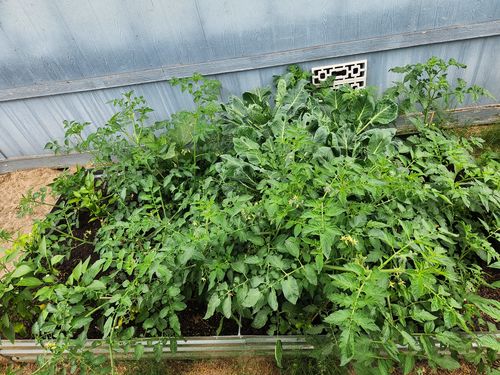
This product saved my plants. The stores no longer carry compost. It just disappeared online too. I'm making my own but that takes time. There is not enough nutrition in the dirt you purchase for a raised bed garden. I tried this and every plant near death came back to life and had grown over night. I fertilize once every two weeks. I've transferred to Bloom now for the one's flowering. I also use this on my flowers and just to make a point. I purposely put them in the sandy bad dirt and used this to see. They are not only growing but are blooming.
Julie R.
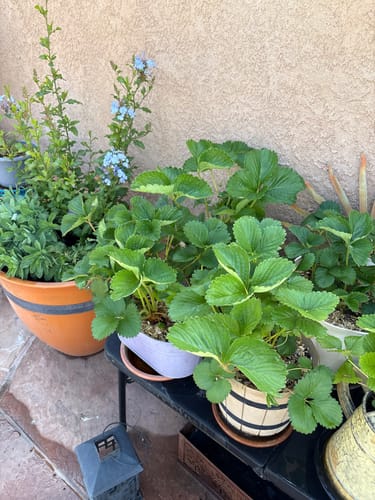
I love Plant Juice and Bloom Juice. And my plants love it too. I have raised beds, veges in pots and flower beds. My strawberry plants are huge and the veges in beds and pots are ahead in growth in 2 months of use, as well as, my flower beds plants are huge. I really thought my cherry tree was dead. Thanks, it's the best.
Mona C.
Although the smell is pretty gnarly, I mean it is worm poop essentially, my plants all LOVE LOVE LOVE it! If they could sing, I'd have a choir in my raised bed. I didn't think to take before pictures, but my potato plants have totally shot up several inches in two weeks, my Roma tomatoes have multiple fruit ( like 5-6) in a vine and my cucumbers are at least three times their size since I started watering with Elm Dirt. I will never be without this!
Rated 4.65 out of 5 across 1,793 Plant Juice reviews.
Frequently Asked Questions
How do you winterize a raised garden bed?
Clear out the spent and diseased plants, pull weeds before they seed, top up and level the soil that settled over the season, feed it with compost and worm castings watered in with a microbe-rich organic fertilizer, then cover the bed with 2 to 4 inches of mulch or shredded leaves. The whole routine takes about an afternoon and leaves the bed protected and fed until spring.
When should I winterize my raised beds?
Do the cleanup right after your first hard frost and the feeding and mulching within about two weeks of that, while soil is still above 50°F. By USDA zone that is roughly late September to mid October in zones 3 to 4, mid October to early November in zones 5 to 7, and November into early December in zones 8 to 10.
Should I cover my raised beds in winter?
Yes. Covered raised-bed soil holds up far better through winter rain and freeze-thaw cycles than bare soil does. A blanket of mulch, shredded leaves, or a cover crop protects the soil life and keeps the bed from compacting, so it's crumbly and ready to plant in spring.
Do I need to replace my raised bed soil every year?
No. You almost never need to replace raised-bed soil. It settles and loses volume as organic matter breaks down, so you top it back up with compost and worm castings each fall and feed the biology. Replacing it costs money and throws out the living soil you've been building.
Is fall the best time to add compost to raised beds?
Yes. Adding compost, worm castings, and microbes in fall gives them all winter to break down and settle in, so the bed is rich and biologically active by spring instead of starting from scratch on planting day.
Should I plant a cover crop in my raised beds over winter?
If you have about four to six weeks before your first hard freeze, yes. Crimson clover, winter rye, Austrian winter peas, or oats protect the soil, prevent erosion, and get chopped in as free green manure in spring. If it's already too late to get seed established, a thick mulch layer does the protecting job just fine.
Where to Go Next
Clear it, top it up, feed it, cover it. Four moves and one afternoon, and those beds spend the whole winter quietly improving instead of quietly falling apart.
- Get one small win in your inbox each week. Join the Elm Dirt Garden Club — seasonal, practical, no hype.
- Read the piece this all rests on: living soil explained, or the fall fertilizer schedule if you've got a lawn and beds both.
- Tell me your smallest win. Hit reply on any Elm Dirt email with the one thing in your garden that made you happy this month. I read them.
- When spring comes: how to wake up your garden after winter and prepping raised beds for spring planting pick it back up.
Come April, while the rest of the neighborhood is out there hauling bags and pulling chickweed, you'll be raking mulch off a bed that's been getting better since October. Then planting in it. Together we grow.
Shop the Elm Power Bundle — $89.90
Sources and further reading
NC State Extension: Winterizing Your Raised Garden Beds · University of Maine Extension: Cover crops in raised beds, fall timing · University of Illinois Extension: Mulching fallow garden beds · Pseudomonas putida as a plant growth-promoting rhizobacterium (review, Applied Microbiology and Biotechnology) · Species and functional percentages for Plant Juice from an independent BiomeMakers soil biology analysis (report CUX005).

Lauren Cain
Founder & Chemical Engineer · Elm Dirt, Kansas City
Lauren started Elm Dirt after her 6-month-old daughter grabbed fistfuls of backyard dirt and ate them. As a chemical engineer and a mom, she couldn't just shrug it off, so she dug into the science of what was really in garden soil. That rabbit hole led her to build a fertilizer line around beneficial microbes instead of synthetic chemicals. Today Elm Dirt's products are used by home gardeners, rose show champions, and organic growers across the country.