



Garlic Planting Season Is Coming: Here's How to Prep Your Bed Right Now

To prepare a garden bed for garlic, find a full-sun spot that drains well, loosen the soil about eight inches down, work in two to three inches of compost or worm castings, and drench the bed with a microbe-rich biofertilizer a few weeks before you plant. Do that part now, in late summer, and the cloves you tuck in this fall have nine months of living soil working underneath them.
Garlic sits in the ground for about nine months. You put it in around October, nothing visible happens all winter, and you don't dig it up until the following June or July — which means whatever you did to that bed back in August is still quietly working on it ten months later.
That's a long stretch to spend in mediocre dirt.
The good part is that prepping a garlic bed is not hard. No tilling marathon, and you definitely don't need a chemical engineering degree — which I say as somebody who has one and still mostly goes by feel out there.
You're not really planting garlic in October. You're planting it in August.
The short version, if you're in a hurry
- Prep the bed now, plant later. Ohio State Extension actually recommends getting garlic beds ready the season before you plant. So late summer isn't early. It's on time.
- Full sun and sharp drainage. Eight hours minimum. Wet feet all winter is what rots bulbs, not cold.
- Two to three inches of compost or worm castings, worked in about eight inches deep.
- Then wake the biology up with a microbe drench, so the nutrients are already unlocked and waiting when the roots get there.
- Easy on the nitrogen this time of year. Most of it should wait for spring.
So when does garlic actually go in?
Fall, for most of us. You're aiming for about one to three weeks after your first hard killing frost, once the soil four inches down has cooled off to somewhere near 50°F. The University of Minnesota Extension puts it at one to two weeks after that first killing frost, which is a tighter window than most of us hit, and that's fine.
Plant too early and the warm soil pushes up green tops that winter will fry. Plant too late and the roots never get settled before everything locks up solid. There's a decent amount of wiggle room in between, though — more than the internet would have you believe.
For most U.S. gardeners that's mid-September through mid-November. Zones 9 and 10 run later, up north runs earlier, and your local frost date is the actual boss here. Our frost date guide and the cool season crop timing post will help you pin yours down.
Which brings me back to why the bed matters so much right now. All fall and winter, those cloves are growing roots. Not leaves — roots. A clove that goes into spring with a big established root system is a clove that makes a big head, and that root system gets built in soil you're standing on top of today.
Garlic is fussier than it looks
It seems tough as nails, garlic. Overwinters without complaint, shrugs off cold snaps, and hardly anything eats it. But there's two quirks that make the soil prep the whole ballgame.
The first one is that garlic eats a lot. It's a heavy feeder, and it wants a steady supply over a very long season, not one big meal.
The second is that garlic has a shallow, coarse root system that honestly isn't very good at hunting. It can't reach deep or scavenge the way a tomato does. Researchers studying onions — garlic's close cousin, same problem — point to that shallow root system as exactly the reason microbial partners help alliums so much. The fungal threads and bacteria act like extensions of the root, pulling in water and nutrients from past where the plant could ever reach on its own.
So the rule for garlic isn't "fertilize more." It's build soil that holds nutrients and hands them over right there at the root zone, on the plant's schedule instead of yours.
A quick word about drainage. Garlic hates wet feet, and bulbs sitting in soggy soil all winter is the fastest route to rot — Fusarium basal rot, white rot, Botrytis, the whole sad lineup. Ohio State's Growing Garlic in the Garden fact sheet calls for rich loamy soil that drains. If your ground still has puddles sitting on it two hours after a rain, put the garlic in a raised bed instead and save yourself the heartbreak.

The five steps, start to finish
1. Pick your spot
Full sun, at least eight hours. And soil that drains — a raised bed or even just a mounded berm of loose rich soil works beautifully.
Here's the rotation tip that saves people a lot of grief: don't put garlic where onions, leeks, shallots, or garlic have grown in the last three or four years. All those cousins pass around the same soil diseases, and some of them sit in the ground waiting a very long time. Garlic goes in behind summer squash, beans, or peas about perfectly, since those beds are opening up right around now anyway.
2. Loosen it up and feed it
Work the soil about eight inches deep so roots can get down and the bulb has somewhere to swell into. Then feed it. This is the step that carries your whole season, so it's worth an extra twenty minutes.
- Two to three inches of compost or worm castings, mixed in. Think of it as the pantry your garlic eats out of all winter and spring. If you want to make your own, composting 101 covers the basics without making it complicated.
- Worm castings pull double duty here — they bring nutrients and the living biology that makes those nutrients usable, which is the part regular compost doesn't always deliver. Our Ancient Soil (Class A certified worm castings blend, from $29.95) and plain Worm Castings (from $14.99) are both made for exactly this job. We put the two side by side in worm castings vs. compost if you're deciding.
- Check the pH, or don't. Garlic likes 6.0 to 7.0, and Ohio State pegs 6.0 to 6.5 as the sweet spot, though it'll put up with soil clear up to around 8.0. Most established garden soil is already fine, so I wouldn't lose sleep unless yours runs really acidic or really chalky. Our soil pH guide for vegetables and the DIY vs. lab soil testing post cover how to check without turning it into a science fair project.
If you want to go deeper on soil building generally, our organic soil amendments guide and the worm castings explainer get into the why behind all of it.
3. Wake the biology up
Most people skip this step, and it's the one that separates a nice head of garlic from the kind you take pictures of.
Compost feeds the soil, sure. But the microbes in living soil are what convert that food into forms a garlic root can actually take up. They release nitrogen, pry loose phosphorus that's chemically locked to soil particles, and hold territory against the rots. When your plant has a shallow root system and a nine-month appetite, that crew is doing most of the work. (If this whole idea is new to you, living soil, explained is where I'd start, and living soil vs. sterile soil shows what the difference looks like in a real bed.)
A few weeks before planting, drench the bed with Plant Juice — our CDFA Certified Organic liquid biofertilizer, from $19.95. It's not a chemical dose. It's a living population going into the ground. Third-party lab testing by BiomeMakers (Report CUX005) verified 291 microbial species in Plant Juice, and a handful of them are especially useful in a bed like this one:
- Pseudomonas putida — the 4th most abundant species in the whole report, at 1.22 × 10⁶ cells/mL. It's a bodyguard, essentially, crowding out the fungal problems garlic is prone to.
- Rhizobium sp. (rank 60) and Bradyrhizobium sp. (rank 61) — the nitrogen crew. That same report measured 80% inorganic nitrogen release capability.
- Trichoderma spirale — a beneficial fungus that goes after the bulb rots that can quietly ruin a winter crop. Biocontrol against fungal pathogens came back at 56%.
- Mortierella — ten separate species of it, M. elongata included. This is the genus that extends a root's reach and helps free up phosphorus.
- Paenibacillus edaphicus plus three different Streptomyces species — potassium and phosphorus solubilizers, and a little natural disease suppression down in the root zone besides.
The report also logged 84% auxin (IAA) production, and auxin is the root-branching hormone, so that's more or less the exact thing you want a fall-planted clove busy with all winter. Add 82% siderophore production for iron and 82% ACC deaminase, which is the stress-tolerance pathway that helps plants ride out freeze-thaw swings.
And this isn't just us saying nice things about our own bottle. Researchers at the ICAR Directorate of Onion and Garlic Research found that adding phosphorus-solubilizing bacteria and endophytic fungi to alliums lifted nutrient uptake right across the board — nitrogen up 6.9% to 29.9%, phosphorus up 13.7% to 21.7%, potassium up 20.0% to 23.7%, sulfur up 18.1% to 23.4% — with bulb yield gains of 7.2% and 9.4% across two growing seasons. Separately, a study of the garlic root microbiome found Pseudomonas to be a key growth promoter already living in garlic's own root zone. We're not introducing something foreign. We're restocking.
That sulfur number is more interesting than it looks, by the way. Sulfur is what makes garlic taste like garlic. If you want the plain-English version of how any of this works, how beneficial microbes help plants grow is the one to read.

4. Get your mulch lined up early
After planting you'll cover the bed with three or four inches of straw or shredded leaves. It keeps soil temperature steady through the freeze-thaw cycles, holds moisture, and smothers the winter weeds — which matters more than usual with garlic, since garlic competes with weeds terribly.
Get the mulch now, though, while you're thinking about it. Ask me how I know. Scrounging for a straw bale on a cold November afternoon when the frost date already came and went is not a fun way to spend a Saturday. (Here's why mulch matters if you want the longer story.)
5. Have a plan for spring
Fall is about roots. Then in early spring the tops come up and garlic switches over to building the actual head, and that's when phosphorus and potassium start doing the heavy lifting.
Which is where Bloom Juice (from $19.95) comes in, months from now. BiomeMakers Report CUX004 verified 192 microbial species in Bloom Juice, with 52% phosphorus solubilization, 52% potassium solubilization, 94% inorganic nitrogen release, and 56% sulfur cycle equilibrium — which, for a swelling, sulfur-hungry bulb, is a pretty good match. You won't touch it until March or so. But knowing where the season is headed makes the whole thing feel less like guesswork. If you're unclear on which bottle does what, Plant Juice vs. Bloom Juice sorts it in about two minutes.
Your garlic timeline at a glance
- Late summer / early fall (right now): Build the bed — loosen 8", add compost + worm castings, drench with Plant Juice. Order seed garlic before the good varieties sell out, because they do.
- 1–3 weeks after first hard frost (soil ~50°F): Plant cloves pointy side up, 2–3" deep, 4–6" apart.
- Once the ground firms up: Mulch with 3–4" of straw or shredded leaves.
- Early spring: Tops come up. Pull the mulch back a little and feed with Bloom Juice as bulbs start forming.
- Late spring: Snip the hardneck scapes when they curl. Then eat them, they're wonderful.
- Late June–July: Harvest when the lower leaves brown and about half the top is still green. Cure three or four weeks somewhere cool, dry and dark.

The part where a nine-month crop gets awkward
Here's something I notice about how most of us buy fertilizer, myself included. You get a bottle in April, use it hard for six weeks, then it drifts to the back of the shed sometime in July. Meanwhile the garlic is still out there, still working, right through the winter and halfway into next summer.
The crop and the shopping habit just don't line up.
Which is why a lot of our gardeners put Plant Juice on auto-delivery and quit thinking about it — a bottle turns up, the beds get fed, nobody has to remember anything in February. And if you're prepping garlic and mapping out a winter garden, the Elm Power Bundle puts the juice and the soil in one box so you're not placing two orders three weeks apart.
Mostly I bring it up as a scheduling thing. The people who grow really good garlic usually aren't the ones with the fanciest products. They're the ones who didn't forget the bed existed in February.
You could skip all of this, by the way
People shove cloves into plain dirt every year and get perfectly respectable garlic out of it. That's genuinely true and I'm not going to pretend otherwise.
But the gap between "yep, that's garlic" and "would you look at the size of that head" comes down almost entirely to what was in the bed before the clove went in. Feed the soil now, get the biology going, and let it work all winter while you're inside with a cup of coffee. Next July you'll find out.
Prep your garlic bed with Plant Juice →
What gardeners are saying

"My plants are huge. Y onions are bigger. Zucchini plants are 2.5 feet tall. I have more blueberries than ever. I am very pleased with this product. My peaches have not flowered yet but they should very soon. The grapes and blueberries are doing great. Even my tiger lillies are happy."
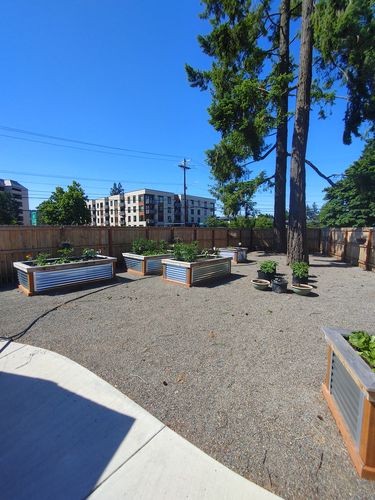
"I have used Elm Dirt products in my 1st time ever raised beds garden boxes. Each plant has there premier worm castings. I feed twice a month with Plant Juice and every 6 weeks with Bloom Juice. I started my garden in mid May from 2" starter pots. I'm very please with the progress of my garden and the natural organic products I use."
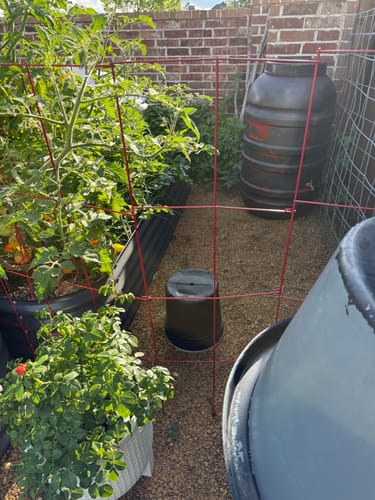
"I live in Texas and the soil is really thick clay. We call it gumbo down here and there's a lot of plants that do not like my soil worm casting has really helped my plants through the tough soil."

"Easy to use for excellent healthy plant results. This is my 2nd. season using Plant Juice and all my fall greens love it."
Garlic bed prep questions I get a lot
When should I plant garlic?
In fall, roughly one to three weeks after your first hard killing frost, once the soil four inches down has cooled to about 50°F. University of Minnesota Extension puts it at one to two weeks after that first killing frost. For most zones that's mid-September into mid-November. The cloves put down roots before winter, then sit tight until spring.
How do I prepare a garden bed for garlic?
Full sun, good drainage. Loosen the soil about eight inches down, work in two to three inches of compost or worm castings, and drench with a microbe-rich biofertilizer so the nutrients are ready and waiting at root level. Aim for pH 6.0–7.0 and have mulch on standby. Ohio State Extension recommends prepping garlic beds the season before planting, which is exactly why late summer is the moment for this.
What's the best organic fertilizer for garlic?
Feed the soil, not the clove. Build the bed with compost and worm castings, add living microbes that unlock phosphorus and nitrogen on their own, then support the bulb in spring with something phosphorus- and potassium-friendly like Bloom Juice. For a heavy feeder with shallow roots, nutrients being available beats big numbers on a bag every single time.
Should I fertilize garlic when I plant it in fall?
Go light on nitrogen. University of Minnesota Extension suggests only about a quarter to a third of your total nitrogen goes down in fall, with the rest saved for spring. The cloves are making roots right now, not leaves. A rich, biologically active bed suits them better than a heavy synthetic dose that'll mostly wash away over a wet winter anyhow.
Can I plant garlic in raised beds?
Absolutely, and they're one of the best ways to grow it. They drain, which means no bulbs sitting in cold mud, and the loose soil gives heads room to size up. Prep them the same as an in-ground bed. Our raised bed care guide covers keeping that soil alive season after season.
How deep and how far apart should the cloves go?
Pointy end up, base of the clove two to three inches under, four to six inches apart in rows. Plant them tighter and you get more heads, but smaller. Give them room and you get fewer, bigger ones. Break the bulb apart a day or two before planting and leave that papery wrapper on each clove.
What pH does garlic need?
6.0 to 7.0, with Ohio State calling 6.0 to 6.5 ideal, though garlic will tolerate up to around 8.0. Most established garden soil already sits in range. A quick test before planting tells you if it's even worth adjusting.
Can I plant garlic where I grew onions last year?
Better not to. Onions, leeks, shallots, chives and garlic are all alliums, and they share soil-borne diseases like white rot and Fusarium basal rot that can sit in the ground for years waiting for you to plant another allium. Rotate garlic in behind beans, peas or summer squash, and give it three or four years before it comes back to the same spot.
What else can go in this fall?
Quite a lot, actually. Our fall fruit and vegetable planting guide and the fall garden prep post cover what goes in alongside garlic, and the fall fertilizer schedule keeps your feeding straight as the season turns over.

Lauren started Elm Dirt after watching her 6-month-old daughter grab fistfuls of dirt from the backyard and immediately eat them — and realizing she had absolutely no idea what was in her soil. As a chemical engineer and a mom, she couldn't just shrug and move on. She started digging into soil science, learned about living soil biology, and eventually built a whole line of fertilizers around beneficial microbes instead of synthetic chemicals. Today Elm Dirt products are used by home gardeners, rose show champions, and organic growers across the country.