



Memorial Day Weekend Garden Refresh: 6 Things to Do This Weekend

Okay, it's Memorial Day weekend. You've got an extra day. The soil is finally warm, you haven't had a frost scare in weeks, and you keep walking past your garden thinking "I really need to deal with that." I know the feeling. I live it every May.
The tricky part isn't motivation—it's knowing where to start. When everything needs attention at once, it's weirdly easy to do nothing. You walk outside, look around, feel overwhelmed, and go back inside to make more coffee.
So here's what I'd actually do this weekend. Six things. Totally doable. No synthetic chemicals, no complicated schedules, and nothing that requires more than a few hours of actual work spread across the whole weekend. Let's get into it.
1 Walk Your Garden First—and Write Stuff Down
I know this sounds too simple to put on a list, but hear me out. Before you touch anything, spend fifteen or twenty minutes just walking around and actually looking at your plants. Not pulling weeds. Not watering. Just observing. Most gardening mistakes happen because we react to things without really seeing what's going on first.
What are you looking for? Yellowing leaves. Leggy stems. Soil that looks crusty or bone dry. Spots where something died and left a gap. Spring plants that are clearly done and just taking up space. Write it down on your phone or grab a notepad. I'm serious—you will forget by the time you get to the other side of the yard.
This little walk tells you exactly where to spend your energy. It's the difference between gardening smart and just staying busy.

2 Give Your Whole Garden a Good Feeding—Right Now
Here's something most people don't think about until their plants start looking rough: spring is actually really depleting. Your soil has been feeding whatever was growing since March or April, and by Memorial Day it's running low. Especially if you're in raised beds or containers, which lose nutrients every time you water.
This weekend, before you plant anything new or fuss with anything else, drench your whole garden with a living liquid fertilizer. I mean everything—existing plants, empty beds you're about to plant, containers, flower pots, all of it.
What I use is Plant Juice—1 to 2 tablespoons per gallon of water, right in the watering can. That's it. You're not adding a separate step to your routine; you're just making your regular watering actually do something.
Plant Juice is brewed from worm castings and has over 291 verified microbial species in it—that's from independent BiomeMakers lab testing, not something we made up. Those microbes do real work. The Azospirillum bacteria fix nitrogen from the air and make it available to your plants. Other species produce natural auxins and growth hormones that stimulate root development. Eighty percent of the species in there help unlock nitrogen that's already sitting in your soil but in a form plants can't access. Most garden soil has way more nitrogen in it than plants can actually use—the microbes are the key that opens that door.
Makes 32–64 gallons when diluted. CDFA Certified Organic. Works on vegetables, flowers, houseplants, and fruit trees. Mix 1–2 tbsp per gallon and water as usual—that's literally all there is to it.
"My Gala apple tree suffered catastrophic root damage after a late-winter wind storm this February: tragically, its third 'blown over' incident since I planted it five years ago. Hoping its tap root was still intact, I uprighted it, repaired its tie-down supports, pruned away damaged branches, and fed it B1 with rooting hormone. It gave me 'proof of life' in March with a few scattered, tiny leaves, but when nothing further seemed to happen with it, I began to wonder if I would need to replace it after all. Then, a few weeks ago, I read on Facebook an ad for Elm Dirt Plant Juice. Its promise of healthy root systems seemed worth testing on my Gala... When I checked on Gala's progress a few days ago, I was happy to see more new, individual leaves sprouting on some of the branches. This morning, I was ecstatic to see that these new leaves are growing larger, more leaves are appearing on more branches, and leaf clusters are forming, too! Elm Dirt Plant Juice has been this tree's savior, I'm sure."

3 Freshen Up Your Soil Before You Put Anything New In It
If you're planning to plant this weekend—tomatoes, peppers, zucchini, herbs, summer flowers—please don't just drop them into whatever's left in your beds from last year. I know it's tempting when you're in a hurry. But tired soil makes for struggling plants, and struggling plants are frustrating to deal with all summer long.
Raised bed soil gets depleted fast. By the time you hit Memorial Day, the microbial activity is lower, the nutrients are drawn down, and sometimes the texture even changes—it gets denser and harder to work. You can feel it when you dig your hand in. It doesn't have that light, crumbly quality anymore.
The fix is easy and it doesn't take long. Before you transplant anything, work a 1-inch layer of Ancient Soil worm castings into the top few inches of your beds. Ancient Soil is Class A certified vermicompost with over 250 species of bacteria and fungi living in it. You're not just adding nutrients—you're literally repopulating the soil with the microorganisms that make nutrients available to plants in the first place. And because those microbes colonize and reproduce in the soil, one good application keeps paying off for years. (If you want the full explanation of why worm castings are so different from regular compost, our guide to worm castings is worth a read.)
For flower beds specifically—or anywhere you're growing petunias, zinnias, dahlias, or other summer bloomers—I'd also layer in some Bloomin' Soil. It's got higher phosphorus and potassium, which is exactly what flowering plants are going to want once they kick into bloom mode.

4 Get Your Summer Transplants in the Ground Already
Memorial Day is basically the universal "it's safe, go plant things" signal for most of the US—and it's not arbitrary. Soil temps are above 60°F pretty much everywhere at this point, nights are reliably warm, and warm-season crops like tomatoes and peppers will actually thrive going in right now. If you've been waiting, stop waiting. This is the window.
What to get in the ground this weekend:
- Tomatoes — if you haven't already. They'll take off from here.
- Peppers (hot and sweet both) — love warm soil, will surprise you with how fast they move
- Squash and zucchini — direct seed or transplant, either works great right now
- Cucumbers — put them in today and you're looking at a July harvest
- Basil — it has been waiting for this moment. It hates cold. It is finally ready.
- Summer annuals — zinnias, marigolds, petunias, impatiens, all of them
- Dahlias — tubers can go in now for gorgeous late-summer blooms
One thing I never skip when I'm transplanting: a good drench of Plant Juice right after each plant goes in. Moving plants is stressful for them—even when you're careful. The beneficial microbes in Plant Juice (especially the ones that produce ACC deaminase) help the plant manage its own stress response, so instead of sulking and sitting there for two weeks, it starts putting out new roots and growth much faster. We've got a whole post on reducing transplant shock if you want the full picture on what's actually happening.
Not sure whether to buy starts from a nursery or grow from seed? That answer depends a lot on what you're growing and how much time you have—our seeds vs. starts breakdown covers it. And if tomatoes are the big priority this summer, our guide to fertilizing tomatoes organically is really helpful for timing.
5 Switch Your Flowering Plants to Bloom Juice
This is the one thing I wish someone had told me earlier in my gardening life, because I did it wrong for years. Once a plant starts forming buds—doesn't matter if it's a tomato, a rose, a dahlia, a petunia—its nutritional needs shift. It's done focusing on leaves and stems. Now it needs phosphorus and potassium to make flowers and fruit. Keeping it on a general fertilizer at this stage is like trying to run a marathon on a breakfast smoothie. Wrong fuel for where you are.
If your plants are showing buds, or your fruiting vegetables are starting to flower, it's time to swap from Plant Juice to Bloom Juice.
Bloom Juice has 192 verified microbial species specifically oriented toward the bloom and fruiting phase. Ninety-four percent of them support nitrogen cycling in the soil, 52% solubilize phosphorus (which is what flowers actually run on), and 70% produce cytokinins—hormones that regulate how blooms develop and how long the flowering period lasts. Championship rose growers use it. Orchid people are obsessed with it. If you want more flowers that last longer, this is the switch to make right now.
Switch to Bloom Juice when buds appear. 192 verified microbial species. Mix 1–2 tbsp per gallon, use weekly. Works beautifully on tomatoes, roses, dahlias, orchids, zinnias, and any fruiting vegetable.
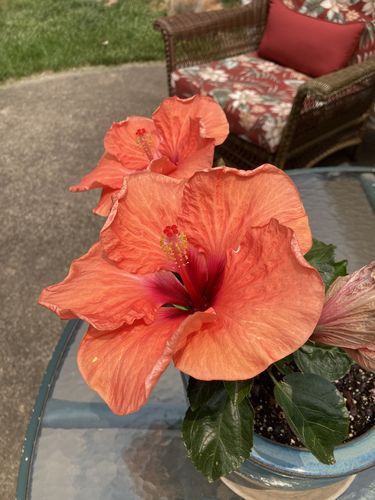
"I got this hibiscus as a Mother's Day present. It had multiple blooms and was beautiful. Soon all the blooms fell off, it got infested with aphids and no new buds developed. After dealing with the aphids and nursing it through a cold snap, I felt discouraged because it just seemed to be languishing. I really thought it would be another victim of my black thumb! Then I saw your free offer for Bloom Juice. After watering with Bloom Juice a couple of times, it suddenly started to develop flower buds. I don't have a green thumb and was afraid this would be another casualty but it is thriving and I give all the credit to your great product! Thank you."
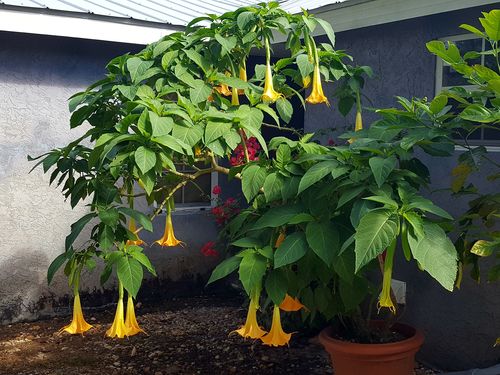
"This product took my rooted out, pale, struggling Golden Trumpet Plant to a prize winning specimen. I utilized 1 oz of both (Elm Dirt Plant Booster & Bloom Booster) per gallon of non-chlorinated water, two times a week for 8 weeks in a 25 gallon pot. Of course a healthy plant requires more watering, as the microorganism activity & digested amino acids is what restored this plant. The plant was suffering from a pH imbalance and nutrient burn out from synthetic fertilizers. This plant is currently so heavy due to its restoration and massive flower production that this plant must be pruned or transplanted! If I had a before picture, one would never believe it was the same plant."
6 Set Up Your Summer Watering Routine Before It Gets Hot
Every single summer, the same thing happens. It gets hot earlier than you expected, you get busy, and by mid-July something's crispy that didn't have to be. Setting up a watering plan now—before the heat hits—takes maybe an hour and saves you so much grief later.
A few things that genuinely make a difference:
- Mulch your beds. A 2–3 inch layer of straw or wood chips keeps moisture in and soil temps down. It's one of the highest-return things you can do in a garden and most people skip it. Our guide to mulching covers what to use and how much.
- Water deep, not often. Shallow daily watering trains roots to stay near the surface, which makes plants way more vulnerable when it gets hot and dry. Water deeply two or three times a week instead. If you're not sure how to read whether your plants actually need water, our post on watering right will sort that out for you.
- Look into a drip line or soaker hose. Even a basic one from the hardware store is a game changer. Keeps water off the leaves (which cuts way down on fungal problems) and saves you time every week.
- Add Plant Juice or Bloom Juice to your watering can once a week. Seriously, ten seconds of effort. The Trichoderma and Sphingomonas species in those products actually help your plants tolerate heat and drought stress so they keep producing even when it gets brutal out there.

Your Memorial Day Weekend Garden Checklist
Print this out or screenshot it for Saturday morning:
- Walk the garden and write down what you actually see
- Water everything with Plant Juice (1–2 tbsp per gallon)
- Top-dress beds with Ancient Soil worm castings before planting
- Get summer transplants in the ground
- Switch budding or flowering plants over to Bloom Juice
- Mulch everything and set up your watering routine
Want to Knock This All Out in One Order?
The Elm Power Bundle has Plant Juice, Bloom Juice, Ancient Soil, and Bloomin' Soil all together. Everything on this list, one box, shipped to your door. Your garden will thank you by August.
Shop the Elm Power Bundle →Common Questions About Memorial Day Weekend Gardening
What should I do in my garden over Memorial Day weekend?
Honestly? Feed your plants, refresh your soil, pull what's spent, get your summer transplants in, switch flowering plants to a bloom fertilizer, and get a watering plan in place before the heat hits. Those six things done this weekend set you up for a genuinely great summer garden.
Is Memorial Day too late to plant a vegetable garden?
Nope—it's actually a sweet spot for warm-season crops. Tomatoes, peppers, squash, cucumbers, basil—they all love going in right now. The soil is warm, the frost is gone, and plants transplanted over Memorial Day weekend hit the ground running.
What organic fertilizer should I use for summer gardening?
For general growth and healthy soil, start with Plant Juice. Once your plants are budding or starting to flower, switch to Bloom Juice—it's built for that stage. Both are CDFA Certified Organic, both won't burn your plants, and both are about as simple as fertilizing gets.
How do I refresh tired soil in my raised beds?
Work in a 1–2 inch layer of Ancient Soil worm castings before you plant. It brings the microbial life back, adds slow-release nutrients, and genuinely improves the soil structure. One good application and you're not just feeding this season's plants—you're rebuilding something that keeps paying off.
Can I garden organically without it being harder?
Yes, and honestly it's simpler. You're not tracking chemical ratios or worrying about burn. Just mix 1–2 tablespoons of Plant Juice or Bloom Juice per gallon of water when you water. That's the whole routine. Your plants eat, your soil gets healthier over time, and you didn't add a single complicated step.
More Helpful Reading
- Caring for a Raised Garden Bed: Your Complete Guide
- How to Prep a Raised Bed for Spring Planting
- Companion Planting: Plants That Grow Better Together
- Seeds or Starts: When to Use Each
- Complete Guide to Soil Testing
- How to Reduce Transplant Shock
- How to Fertilize Tomatoes Organically
- Mulching for a Healthier Garden
- How to Water Right
- Essential Summer Garden Tasks
- Sustainable Gardening Practices

Lauren started Elm Dirt after her infant daughter ate a handful of garden dirt and she realized she had no idea what was in it. As a chemical engineer and mom, she set out to build fertilizers around living soil biology—not synthetic shortcuts. Today, Elm Dirt products are used by home gardeners, championship rose growers, and organic farmers across the country. Lauren believes that when the soil is alive, everything else takes care of itself.