



How Community Gardens Are Changing Neighborhoods (And How to Start One)

There's something that happens when people start growing food together. I've seen it over and over — strangers become neighbors, neighbors become friends, and a scrubby vacant lot becomes the most alive place on the block. Community gardens are doing something quietly radical in neighborhoods all over this country. And honestly? It's been a long time coming.
I started Elm Dirt because my baby daughter ate dirt from our garden and I had no idea what was in it. That fear — what is my kid actually being exposed to? — is exactly what drives a lot of parents toward community gardens too. Shared green space, growing real food, keeping synthetic chemicals out of reach of little hands. It makes sense.
If you've been thinking about starting a community garden in your neighborhood, or you just want to understand why this movement is taking off, you're in the right place. Let's dig in.
Why Community Gardens Are Changing Neighborhoods for the Better

And before you write this off as feel-good fluff — it's not. The benefits are real, and you can measure most of them.
They fight food insecurity. Something like 44 million Americans don't always know where their next meal is coming from. A community garden that's run well can put out hundreds — sometimes thousands — of pounds of fresh vegetables a season. The extra goes to a food bank, or to the family down the row who needs it. That's not nothing.
They get the chemicals out. Most community gardens go organic-only, and thank goodness. No synthetic pesticides, no harsh fertilizers. If you've got kids, you know exactly why this matters. They're going to get dirt under their nails. They're going to pull a cherry tomato off the vine and pop it in their mouth before you can say a word. They touch everything. Knowing that soil is clean? You can't put a price on that.
They actually bring people together. I know how that sounds. But I've watched it happen — folks who've lived two streets apart for fifteen years and never once said hello, suddenly showing up at the same patch of dirt every Saturday morning. Researchers who study this keep landing on the same thing: neighborhoods with community gardens tend to see less crime, higher home values, and people who just plain look out for each other more.
They wake the soil back up. City dirt is usually beat up — packed hard, scraped of organic matter, hardly any life left in it. A garden that leans on organic soil amendments and living fertilizers starts giving back what years of neglect took out. It doesn't happen overnight, but it happens.
How to Start a Community Garden From Scratch (Really, From Zero)
Okay, here's the practical part. Starting a community garden sounds intimidating, but I promise it's more manageable than it seems. You don't need to have it all figured out on day one. You just need to take the first step and keep going.
- Find your people first. Before you worry about land or money, find five to ten neighbors who are genuinely interested. Post in your neighborhood Facebook group or Nextdoor app. Talk to folks at the farmers market. You'd be surprised how many people have been waiting for someone to just ask. A small founding group is easier to work with while you're figuring out the basics.
- Identify potential land. Contact your city or county parks department — many municipalities have vacant lots, church property, school grounds, or park land that can be leased for community garden use. Some cities have formal programs for exactly this. HOAs sometimes have unused green space too. Don't overlook empty lots owned by local businesses who might donate or lease cheaply for the good PR.
- Test and amend your soil. Before anyone plants anything, get the soil tested. Urban soils can contain heavy metals, old pesticide residue, or other contaminants. Your local extension service can help with testing. If the soil is compromised, raised beds with clean organic mix is the safest path forward. Check out our guide on soil testing basics to get started.
- Establish your rules early. Organic-only gardens are more work to manage but create a healthier, safer space — especially for kids and families. Set expectations clearly: what's allowed, how plots are assigned, who handles shared spaces, how maintenance works. Getting this in writing upfront prevents 90% of the drama later.
- Secure basic funding. Plot rental fees of $25–$75 per season are common and cover a lot of ongoing costs. Local grants from community foundations, garden clubs, and civic organizations are worth pursuing. Hardware stores, nurseries, and local businesses often donate materials if you just ask. Don't be shy about that — the worst they can say is no.
- Get the soil biology right. This is the step most community gardens skip, and it's a big deal. Healthy, living soil isn't just about nutrients — it's about the microbial ecosystem that makes nutrients available to plants in the first place. Start with worm castings worked into your beds, then feed with a living liquid biofertilizer throughout the season. More on that below.
- Launch with a simple plot layout. Raised beds are ideal for community gardens — they're contained, easy to manage, and reduce weed pressure. Standard 4×8 or 4×12 foot beds give each member enough space to grow a meaningful amount of food without overwhelming them. Keep pathways wide enough for wheelbarrows. And always, always plan for water access before you start planting.
💡 Pro tip from experience
Start smaller than you think you need. Seriously. It's much easier to expand a successful small garden than to manage an ambitious big one that burns out the founding members in year one. Get the culture right first, then grow.
Why Organic Soil Is the Foundation of Any Great Community Garden

Okay, I'm a chemical engineer, so I can't help it — when I look at a handful of garden soil, I'm thinking about what's going on down there at the microscopic level. And that's the part nobody talks about, even though it's the part that decides whether your tomatoes thrive or just sort of… sit there. Most folks fixate on the N-P-K numbers on the bag. That's like judging a pot roast by counting the ingredients instead of tasting it.
Living soil is packed with bacteria, fungi, and little critters all working a job — breaking down organic matter, pulling nitrogen out of the air, freeing up phosphorus, making natural growth hormones, fending off disease. When you dump synthetic fertilizer on top of all that, you're basically shoving the whole crew out of work. Feed the soil biology instead, and it pays you back — a little better every single season. That's the part I love.
In a community garden it matters even more, and here's why:
- Kids are around, and kids touch (and taste) everything
- You're often growing food families are actually counting on
- It's shared ground — one person's chemicals drift into everybody's plots
- And honestly, you're setting the example for the whole neighborhood
So here's how I'd feed a community garden, start to finish:
Start with worm castings. Work some Class A certified worm castings into your beds before anything goes in the ground. They're gentle, you genuinely can't overdo it, and they bring beneficial microbes to the party right away. Mix in about 10–20% and you're off to a good start.
Then keep them fed with a living liquid fertilizer. Our Plant Juice is CDFA Certified Organic and carries 291 verified microbial species — bacteria and fungi that quietly go to work building your soil while they feed your plants. There's stuff in there like Azospirillum, which pulls nitrogen straight out of thin air, and Pseudomonas putida, which keeps roots from getting sick. It's safe around the kids, safe on anything you're going to eat, and it builds soil instead of burning it out. One 32 oz bottle makes 32 to 64 gallons, so it goes a long, long way across a shared garden.
And for anything that flowers, grab Bloom Juice. Tomatoes, peppers, cucumbers, squash, beans — basically anything that flowers before it fruits — gets a real lift from a bloom-focused feed during that stretch. Bloom Juice has 192 verified microbial species and is built for fruiting and flowering, with 94% of its microbes working on nitrogen release and 52% on phosphorus solubilization.
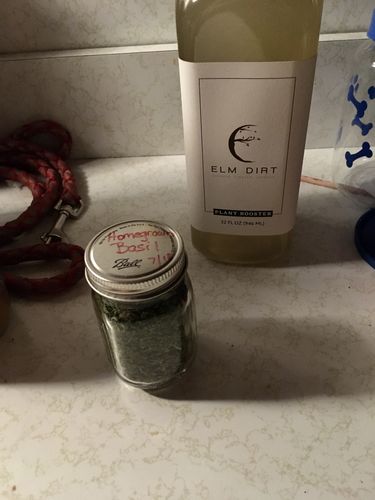
"This stuff is great! It's the end of the season for me this year but my basil was fizzling out. I used this for a boost and it loved it! I was able to fill my basil jar up after that! I can't wait to use it next year! It's completely organic and goes great with organic gardens!"
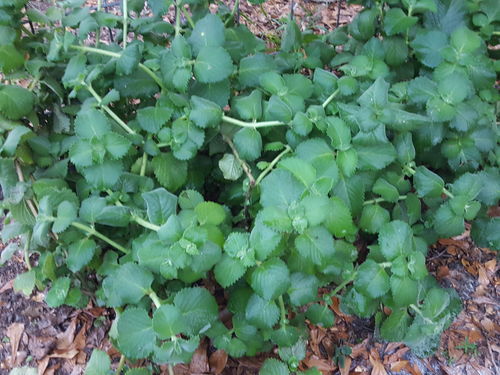
"This product took my pale, struggling organic Cuban Organo Plant to a prize winning specimen. I utilized 1 oz of both (Elm Dirt Plant Booster & Bloom Booster) per gallon of non-chlorinated water, two times a week for 8 weeks in the ground through foliar application. The change was absolutely stunning."
Getting Your Community Garden Through Its First Season
The first season is the hardest. You're working out the kinks — who shows up, who doesn't, which plots are well-tended and which ones turn into weed jungles by July. That's normal. Don't panic.
A few things that really help:
Put a workday on the calendar. Once a month, everybody shows up and pitches in on the common areas. It keeps the whole thing from falling on the two or three people who'd otherwise carry it. Make it fun, too — somebody brings donuts, somebody brings a speaker. It's amazing what gets done when there's coffee involved.
Buddy up the newbies. A lot of folks who grab a plot have never grown a thing in their life. Don't let that worry you — that's kind of the whole point. Pair them with somebody who's done it a few seasons, and you'll watch friendships form that outlast the garden itself.
Keep a little garden journal. Jot down what went where, what thrived, what flopped, what you fed it. Sounds tedious, I know. But two or three seasons in, that notebook is pure gold — you'll know exactly what your soil wants and which varieties to never waste your time on again.
Share the tools. Nobody needs their own wheelbarrow and broadfork. A shared shed with a simple sign-out sheet keeps costs down for everybody and keeps the good rake from mysteriously walking off.
And — I really can't say this loud enough — don't let your soil biology coast once summer hits. So many gardeners do a beautiful job amending in spring and then just… stop. But those microbes need to eat all season, same as your plants do. A monthly pour of Plant Juice keeps that living ecosystem humming right up to the first frost.

"This is a GREAT product! I've been using it on my extensive organic gardens and it really does what it says. Plants that hadn't been doing well revived and others became more prolific! I've now reordered several times and plan to continue doing so."
The Bigger Picture: What Your Garden Is Actually Doing for Your Neighborhood
Here's something worth sitting with. When you plant an organic community garden, you're not just growing vegetables. You're demonstrating — visibly, publicly, seasonally — that it's possible to grow food without chemicals. That kids can play in the dirt without worrying about what's in it. That strangers can share resources and make something beautiful together.
That's contagious. One community garden tends to inspire others. Schools that partner with community gardens see improved science engagement and healthier eating habits in students. Neighborhoods with active community gardens see increased volunteer rates across other civic projects. It's a model for how neighborhoods can function when people actually know each other.
I think about that a lot. My daughter eating dirt is what started Elm Dirt. A tiny, terrifying moment that led to years of learning about what actually lives in healthy soil — and why that matters for every family, not just mine. Community gardens are, at their core, the same thing: a decision to pay attention to what's in the ground beneath our feet, and to make it better.
That's worth doing. And you don't have to do it alone.
Ready to Grow Something Together?
Whether you're feeding one raised bed or twenty community plots, organic soil biology is the foundation. Plant Juice makes it easy — CDFA Certified Organic, 291 verified microbial species, safe for kids and edible crops.
Shop Plant Juice — $19.95If you're new to organic gardening, these posts will help you build a solid foundation:
- Why Organic Soil Amendments Are the Secret to Better Gardens
- How (and Why) to Test Your Garden Soil
- Raised Garden Bed Care Guide
- 5 Reasons to Stop Using Synthetic Fertilizers
- Organic Vegetable Gardening: A Complete Guide
- Companion Planting: How to Use It in Your Garden
- How to Keep Your Yard Chemical-Free for Kids
- Starting a Garden From Scratch: 10 Steps
Frequently Asked Questions About Community Gardens
How do I find land for a community garden?
Start by contacting your local city or county parks department — many municipalities have vacant lots or park land they'll lease for community garden use. Churches, schools, and HOAs are also worth approaching. Some cities have formal community garden programs that manage land allocation.
How much does it cost to start a community garden?
Costs vary widely. A basic setup with raised beds, soil, and water access can run $500–$3,000 depending on size. Many gardens offset costs through small plot rental fees ($25–$75/season), grants from local foundations, and in-kind donations from nurseries and gardening companies.
What fertilizer is best for a community garden?
Organic fertilizers are the best choice for community gardens, especially ones where children and families are present. Living liquid biofertilizers like Elm Dirt Plant Juice introduce beneficial soil microbes and release nutrients naturally — no synthetic chemicals, no runoff risk.
How many people do you need to start a community garden?
You can start with as few as 5–10 interested neighbors. A small founding group is actually easier to manage while you nail down land, funding, and basic rules. You can always grow the waitlist from there.
Can a community garden be fully organic?
Absolutely. Many community gardens operate under organic-only policies, banning synthetic pesticides and fertilizers. Using organic soil amendments like worm castings and CDFA Certified Organic liquid fertilizers keeps the soil biology healthy and protects everyone — especially kids — from chemical exposure.

Lauren Cain — Founder & Chemical Engineer, Elm Dirt · Grandview, MO
Lauren started Elm Dirt after her infant daughter ate dirt from the garden — and she realized she had no idea what was in it. As a chemical engineer and mom, she set out to build fertilizers around living soil biology instead of synthetic chemicals. Today, Elm Dirt products are used by home gardeners, rose champions, and organic growers across the country who want to feed their plants the way nature intended.