



Bringing Outdoor Plants Indoors for Winter: The Checklist That Actually Saves Them

Bring outdoor plants indoors when nighttime lows hit the mid-50s, not when frost shows up in the forecast. Give yourself two weeks. Week one is the pest wash and a move into shade. Week two is gradual acclimation, a few hours indoors at a time. Once they're in, feed the root zone instead of the leaves and cut your watering roughly in half.
Quick answer
When: Start when overnight lows are consistently in the mid-50s Fahrenheit. Most tropicals are damaged below 45 degrees.
How long: 10 to 14 days from first pest wash to full-time indoors.
Why leaves drop: The sudden light and humidity change triggers a spike in ethylene, a plant hormone that signals leaf shedding.
What prevents it: Gradual acclimation, plus an active root zone. Feed with a living amendment rather than synthetic high-nitrogen fertilizer.
Every October I do the same dance. Hauling pots up the back steps, sweating in a flannel, wondering why on earth I bought a fiddle leaf fig that weighs as much as my kid. And for years I did it the wrong way. I waited for the frost warning on the news, panicked, and dragged everything in at nine o'clock at night.
Then two weeks later, leaves everywhere. On the floor, in the heat vent, stuck to the dog.
Took me an embarrassing number of years to work out that the leaf drop wasn't random bad luck. There's an actual mechanism behind it. And the fix, once I understood the mechanism, turned out to cost me nothing but a calendar reminder set two weeks earlier.
So this is the checklist I use now.
Why Plants Drop Leaves When They Come Indoors
Your patio was getting somewhere in the neighborhood of 10,000 foot-candles of light on a sunny day. That bright spot by your south window? Maybe 500. Sometimes less than that.
Then add the humidity crash. Illinois Extension notes that indoor winter humidity can sit as low as 10 to 20%, which is basically desert territory for a plant that spent August breathing Missouri swamp air. And then the furnace kicks on.
The plant runs the math and decides it can't afford all those leaves anymore.
Biologically, that decision runs on ethylene. Ethylene is a gaseous plant hormone that spikes under environmental stress and triggers leaf shedding. Researchers call the stress-induced version "stress ethylene," and it's the same mechanism behind transplant shock out in the garden.
Hang onto that word. Ethylene is one of the very few plant stress responses you can actually do something about from the soil side, which is where this whole article eventually lands.
The short version: Sudden light drop plus humidity crash plus root disturbance equals an ethylene spike, and an ethylene spike equals leaf drop. Slow the change down and the spike never gets high enough to pull the trigger.
Two Weeks Out: The Pest Check Nobody Does Thoroughly Enough
Nobody wants to do this step. I understand why. You've got eleven pots to move and a cold front coming and hosing down the underside of every leaf feels like a thing you can skip just this once.
It's the step that wipes out whole collections.
Aphids, mealybugs, spider mites, scale, whiteflies. They've all been living on your patio plants since June, held in check by rain, wind, ladybugs and birds. Bring them inside and every single one of those checks disappears overnight. University of Vermont Extension puts it plainly: pests, including eggs sitting in the top layer of potting soil, can turn into an indoor infestation that spreads to plants which never went outside at all.
Ask me how I know. One mealybug on a hoya. Six weeks later, four plants in the trash.
The wash-down, step by step
- Lay the plant on its side. Use a hose with a soft spray nozzle and work from the bottom up. The undersides of leaves are where they hide.
- Hit the stems and leaf joints. Scale looks like little brown bumps and doesn't move, so it's easy to mistake for part of the plant.
- Check the soil surface. Scrape off the top half inch of potting mix and replace it. Eggs and fungus gnat larvae live right there in that layer.
- Treat what's left. A hose knocks off the loose ones. Our Shield All Natural Pesticide ($29.95) handles the rest without anything you'd be nervous about spraying near the kitchen table.
- Repeat in 5 to 7 days. One pass almost never gets everything, because eggs hatch on their own schedule.
- Quarantine 2 to 3 weeks. Spare bedroom, enclosed porch, basement with a light. Anywhere that isn't touching your existing houseplants.
If you're already fighting fungus gnats, or you want the full pest rundown, we go deeper in gnats on indoor plants and organic pest control indoors.
One Week Out: Acclimate, Don't Relocate
Everything else in this article is housekeeping. This is the part that saves the plant, and it costs you exactly zero dollars.
Move the pots into shade outdoors first. Under the porch overhang, the north side of the house, anywhere with bright shade instead of direct sun. Leave them there several days and forget about them.
You're walking the light level down a staircase rather than pushing it off a cliff. Same destination, and the plant survives the trip.
Then the in-and-out routine starts.
| Day | What to do |
|---|---|
| Days 1 to 3 | Bring plants in overnight, back outside in the morning |
| Days 4 to 7 | Indoors overnight plus a few hours of the day |
| Days 8 to 12 | Indoors most of the day, outside only for a short stretch |
| Day 13 and after | Indoors full time, in their winter spot |
I know. Twelve days of hauling pots back and forth through a door you have to prop open with your hip, and anybody watching you do it is going to think you've lost the plot. But my ficus is pushing ten years old and it has never once gone bald on me. So I keep doing the ridiculous thing.
And if an early cold snap catches you and you have to haul everything in at once, don't spiral about it. Expect some leaf drop, keep the plant somewhere bright, and be patient with it. Most of them recover just fine. We walk through the whole rescue process in the houseplant CPR guide.

Moving Day: The Actual Checklist
- Prune first. Dead leaves, leggy stems, anything that got too big over summer. A smaller plant has fewer leaves to support in low light, so you're helping it make the decision it was going to make anyway.
- Check the drainage hole. Roots poking out means it's rootbound. Repot now or plan on it in spring. Our repotting guide covers the timing.
- Clean the pot exterior. Slugs and pill bugs and spiders all ride in on the outside of the pot and under the rim. Wipe it down.
- Pick the brightest window you've got. South-facing first, east-facing second. Some plants genuinely do fine with less, and we list those in low light houseplants.
- Group them together. Plants transpire, and clustering pots creates a little humid microclimate. Free humidity.
- Pebble tray under the thirsty ones. Shallow tray, gravel, water sitting below the pot bottom. More on this in humidity for houseplants.
- Move them away from vents and doors. A heat register blowing on a plant will dry it out faster than anything else in the house.
A few plants are divas about all this and want their own rules. Fiddle leaf figs, obviously. Monsteras, succulents, and peace lilies each get their own guide, and I'd read the relevant one before you settle them into a winter spot.

Feed the Soil, Not the Leaves
Conventional advice says stop fertilizing completely in fall. For synthetic fertilizer, that advice is exactly right. Dumping high-nitrogen salts on a plant sitting in a dim window forces out pale, stretchy growth the plant can't support, and it builds salt in the pot on top of that.
But somewhere along the way "don't force new leaves" got flattened into "don't touch the soil," and those are not the same instruction. The leaves are not where the recovery is happening. The roots are.
Which puts us back at ethylene.
When BiomeMakers ran a full genomic analysis on Plant Juice (report #CUX005, June 2024), they identified 291 distinct microbial species. Counting them was the easy part. What I wanted from that report was the functional breakdown, the list of what all those organisms can actually do once they're in a pot.
82% of the species in Plant Juice produce ACC deaminase.
ACC deaminase is a bacterial enzyme that breaks down ACC, the direct chemical precursor to ethylene, before the plant can convert it. Less precursor means less stress ethylene, which means less leaf drop. It's one of the most heavily studied mechanisms in the plant-growth-promoting bacteria literature (Glick, PubMed; 2021 review).
That same lab report found 84% of the species produce auxin (IAA), which is the hormone driving root growth, and 84% produce exopolysaccharides, which help soil hold moisture around the root zone. Another 80% participate in nitrogen release, meaning nutrients become available at the pace the plant calls for them instead of all at once.
Species verified in report #CUX005 include Pseudomonas putida, Trichoderma spirale, Variovorax paradoxus, Mortierella elongata, Bacillus thermoamylovorans, and Rhizobium. We've written individual deep dives on a few of them if you want to go down that particular rabbit hole: Pseudomonas, Trichoderma, and Bacillus.
How I use it during the transition
- One week before the move: water with Plant Juice at the standard dilution. This gets the biology established before the stress arrives.
- Two weeks after they've settled indoors: one more feeding, then stretch out to roughly every 4 to 6 weeks through winter.
- Topdress the heavy feeders with a half inch of Worm Castings ($14.99 for 2 lbs) or Ancient Soil ($29.95 for 2 lbs). Slow, gentle, and no burn risk.
Plant Juice is CDFA Certified Organic and safe around kids, pets, and the countertop it inevitably gets spilled on. It runs $19.95 for 16 oz, $29.95 for a 32 oz bottle, or $59.85 for the 3-pack, which is what most folks with a real collection end up buying. There's a subscription option on the product page that ships on roughly the cadence I described above. I use it myself, mostly because November me cannot be trusted to remember anything November me is supposed to do.
One warning: it smells. It's a living compost extract, so of course it does. Dilute it, water in the morning, and the smell is gone inside an hour or two. Plenty of our reviewers mention it, and you should hear it from me before you open the bottle over your kitchen sink.

Once They're Inside: Water Less Than You Think
The most common winter houseplant mistake is watering on the summer schedule out of pure muscle memory. Shorter days, cooler rooms. Growth slows down to almost nothing. Your plant is not drinking the way it drank in July, and if you keep pouring on the July amount you will rot the roots of something you spent two weeks carefully acclimating.
Which would be a shame.
- Stick your finger two inches into the soil. Dry means water it. Damp means wait.
- Most plants shift from every 3 to 5 days down to every 10 to 14 days.
- Water thoroughly when you do, until it runs out the drainage hole, then empty the saucer.
- Yellow lower leaves plus soggy soil means overwatering, not hunger.
If you think you've already gone too far the other direction, the overwatered plant recovery guide and stop overwatering plants will sort you out. For the rest of the cold months, our winter indoor plant care guide and the houseplant fertilizer guide pick up right where this one leaves off.
What Other Gardeners Noticed
★★★★☆
"Only gave it a 'like' instead of a 'love' because I've not used it long enough to tell. But I will say that I just brought many of the potted plants into the sunroom after being outside all summer, and they are not losing as many leaves as they normally do. I'm really glad I bought 4 bottles because it looks really promising."
— Laurali M., verified buyer
★★★★★
"I started using the Plant Juice a couple of months ago in hopes to revive my African black olive tree, which had all its leaves drop at the end of April. I reached out to Lauren and team for advice, they responded right away and checked in. I diligently added the plant juice as instructed to my bi-weekly waterings. About a week ago (3 mos) later I noticed new buds on the stems !! I almost burst into tears, my tree is coming back to life!!"
— Denise S., verified buyer

★★★★★
"After two applications, houseplants have made progress with color, size and number of leaves. One plant that was dying off, has come back to life."
— Edward G., verified buyer
★★★★★
"I really like this product! It has really revived a few of my plants that were struggling. I use it on all my herds and outdoor plants now. I also ad a little bit of the Elm Dirt Plant Booster to the water I use to mist my indoor plants too."
— Bianca M., verified buyer
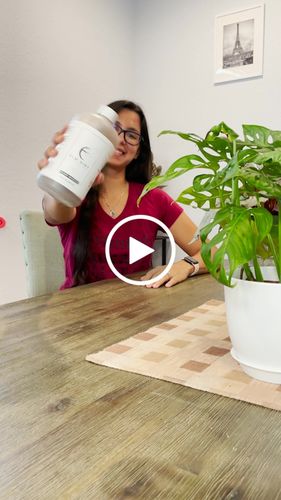
★★★★★
"I took a chance when I bought it, I felt that it would be nothing worth buying, but now I'm pleased with the product. The plants I thought were almost dead. This product brought my plants back to life. Thank you!"
— Pamela W., verified buyer
Plant Juice averages 4.65 out of 5 across 1,793 verified reviews.
Common Questions
At what temperature should I bring my outdoor plants inside?
Start when nighttime lows are consistently in the mid-50s Fahrenheit. Most tropicals get hurt below 45 degrees, and if you're waiting on a frost warning you've already lost your acclimation window.
How long does it take to acclimate a plant to indoor conditions?
Plan on 10 to 14 days. Several days in outdoor shade first, then overnight indoors, then progressively longer indoor stretches until the plant stays in full time.
Can I skip the acclimation if my plants were in the shade all summer?
You can shorten it. A plant that lived under a maple all summer has a much smaller light gap to cross than one that sat in full sun. Give it 4 or 5 days anyway, and still do the pest wash.
My plant dropped half its leaves anyway. Is it dead?
Almost certainly not. Scratch a stem with your fingernail, and green underneath means it's alive. Keep it bright, water sparingly, and hold off on anything drastic until you see new growth in late winter. This guide covers the recovery steps.
Should I repot before bringing plants in?
Only if it's genuinely rootbound. Repotting adds root disturbance right when the plant is already stressed. If it can wait until spring, let it wait.
What about citrus trees and tropicals in big pots?
Same rules, longer runway. Big pots hold more soil and more pests, and citrus is fussy about light. We cover it specifically in indoor citrus tree care.
Is it too late if frost is already in the forecast?
No. Bring them in tonight rather than lose them. You'll get more leaf drop than you would have with a gradual move, but a stressed plant beats a frozen one every time.
Give Them Something to Work With
Plant Juice is CDFA Certified Organic, made in Missouri with 291 verified microbial species, and gentle enough for plants that are already stressed from the move.
Bringing in a whole collection? The indoor houseplant collection has the full lineup, and subscribing means the winter feedings show up without you having to remember them.
I've seen people spend four hundred dollars on grow lights and humidifiers and still lose half a collection in November. The ones whose plants sail through are almost always just the ones who started two weeks earlier. That's the whole secret. It's a boring secret.
Go check the underside of those leaves.

Lauren Cain
Founder & Chemical Engineer · Elm Dirt, Grandview, Missouri
Lauren started Elm Dirt after watching her 6-month-old daughter grab fistfuls of dirt from the backyard and immediately eat them, and realizing she had absolutely no idea what was in her soil. As a chemical engineer and a mom, she couldn't just shrug and move on. She started digging into soil science, learned about living soil biology, and eventually built a whole line of fertilizers around beneficial microbes instead of synthetic chemicals. Today Elm Dirt products are used by home gardeners, rose show champions, and organic growers across the country. Lauren writes about soil health, organic gardening, and the surprisingly fascinating science behind why plants do what they do.