



Summer Solstice Garden Check-In: What You Should Be Doing Right Now

Okay, so the longest day of the year just came and went, and right about now your garden is doing one of two things: hitting its stride, or quietly falling apart while you're not looking. I've had both happen in the same summer, in the same yard. The next few weeks really do set the tone for the whole season — what you do now (and what you let slide) shows up in August whether you like it or not.
I'm not about to hand you some 47-point checklist that eats your whole Saturday. Nobody has time for that. Let's just talk about what actually matters right now, what you can totally skip, and how to keep your plants from melting down the second the heat really kicks in.
What Your Garden Is Going Through Right Now
Here's the part nobody really tells you: the solstice isn't just the longest day, it's a turning point. After June 21st the days start getting shorter again — slowly, you won't notice for weeks, but your plants do. The ones that are flowering are basically on a clock now. Your veggies are flooring it. And your soil, the thing quietly holding all of this together? It's stressed out.
Heat is rough on soil biology. Those beneficial microbes doing all the invisible work — breaking down organic matter, freeing up nutrients, guarding your roots from the bad stuff — really don't love temperature extremes. Once your soil creeps past 90°F, a lot of that activity starts to drop off. And synthetic fertilizers, with all their salts, just pile right on top of the problem. This is the whole reason I built Elm Dirt around living soil biology in the first place. Feed the microbes, and they feed the plant — which matters most exactly when things get hard.
Here's what's happening plant by plant right now:
- Tomatoes & peppers — Fruiting is ramping up. They need consistent moisture (not flood-and-drought cycles) and ongoing nutrient support to keep setting fruit all season.
- Squash & cucumbers — Growing absurdly fast. They're heavy feeders and hate dry roots. Watch for powdery mildew — it loves this humidity-then-sun cycle we get in June and July.
- Flowers & perennials — Roses, dahlias, and zinnias are either exploding or stalling. Deadheading and consistent feeding is the difference between a garden that keeps blooming versus one that fades by August.
- Indoor plants — More light means faster growth, which means they need more water AND more nutrients. Don't let them get root-bound without noticing.
- Lawns — Grass slows down in heat stress. Raising your mower deck height and watering deeply (less often) is smarter than frequent shallow watering.

Your Summer Solstice Garden Checklist (The Real One)
Let's make this practical. Here's what I'd actually do this week in my own garden.
1. Water deeply — not daily
If I could fix one summer habit for everybody, it'd be this: please stop watering a little bit every single day. I know it feels like the caring thing to do. It's actually teaching your roots to stay lazy and shallow — right where the heat hits hardest. Water deep instead. Two or three times a week, really soak it down 6-8 inches. Roots will chase that moisture down and ride out a hot afternoon so much better. And do it in the morning. Watering at night leaves the leaves damp in the dark, and that's basically an open invitation for fungus. (More on all of this in our full watering guide.)
2. Mulch everything (seriously, everything)
Honestly, if you only do one thing this weekend, make it mulch. A 2-3 inch layer around your plants does so much for so little effort — it keeps the soil (and those microbes) cooler, slows down how fast your water evaporates, and smothers weeds before they even get started. Wood chips, straw, shredded leaves, whatever you've got lying around. Just don't pile it up against the stems. That traps moisture right where you don't want it, and you'll end up with rot.
3. Feed with a living organic fertilizer
Okay, let me nerd out for a second, because this is the part I actually care about. Most summer fertilizers are salt-based synthetics. They'll push out a bunch of fast green growth, sure — but they do nothing for the soil life that makes a plant tough when it's 95° out. So by midsummer you get these plants that look fine up top and are quietly running on empty underneath. I've watched it happen a hundred times.
What actually helps in the heat is a fertilizer that puts living microbes back down in the root zone — the kind that make auxins (those are root-growth hormones), pull nitrogen right out of the air, and unlock the phosphorus that's already sitting in your soil doing nothing. Our Plant Juice is CDFA Certified Organic with 291 verified microbial species. And I don't just want you to take my word for it — independent lab testing (BiomeMakers Report CUX005) found 80% of those species actively release nitrogen, 82% make ACC deaminase (that's the one that helps plants cope with heat and drought), and 84% produce the auxins that build strong roots.
Stronger roots means plants that aren't flopped over and pathetic by 3pm. That's the whole game.


"My Gala apple tree suffered catastrophic root damage after a late-winter wind storm. Hoping its tap root was still intact, I uprighted it, repaired its tie-down supports, pruned away damaged branches, and fed it B1 with rooting hormone. It gave me 'proof of life' in March with a few scattered, tiny leaves, but when nothing further seemed to happen with it, I began to wonder if I would need to replace it... then I found Plant Juice. The transformation was remarkable."
4. Deadhead your flowers — don't stop now
This is the chore everybody quietly drops in June and then wonders, come August, why the flowerbeds look so worn out. Here's the deal: once a flower's done blooming, if you leave that spent head sitting there, the plant basically goes "great, my job's done" and dumps its energy into making seeds instead of more flowers. Snip the dead ones off (right above a leaf node or a little side bud) and the plant keeps trying. Do it every week or two all summer and you'll still have blooms when fall rolls around.
And if you've got roses, dahlias, or anything that blooms its heart out, deadheading works even better paired with a fertilizer made for flowers. Our Bloom Juice has 192 microbial species — 94% of them release nitrogen and 52% free up phosphorus. That's the quiet chemistry behind bigger blooms that actually stick around.

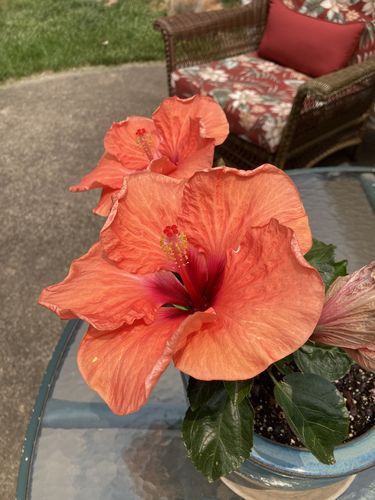
"I got this hibiscus as a Mother's Day present. Soon all the blooms fell off, it got infested with aphids, and no new buds developed. I felt so discouraged — it just seemed to be languishing. I really thought it would be another victim of my black thumb! Then I tried Bloom Juice. After watering with it a couple of times, it suddenly started to develop flower buds again — and it hasn't stopped since."
5. Scout for pests — early detection is everything
June and July are when the bugs show up to the party — aphids, squash vine borers, Japanese beetles, spider mites, the whole crew. The difference between "ugh, annoying" and "my garden is toast" almost always comes down to how early you catch them. So once a week, flip some leaves over and actually look underneath. Most of these you can stay on top of just fine, as long as you don't let them get a running start.
And here's the part most people don't realize: healthy soil helps you out with this too. Certain microbes — like Trichoderma and Pseudomonas putida — put out their own antifungal and antibacterial compounds that defend the root zone. Our BiomeMakers testing shows 56% of the species in Plant Juice have antifungal activity. A healthier plant just has a better immune system, same as us. (Want the full rundown? Here's organic pest control, start to finish.)
6. Don't forget succession planting
This one surprises people every time: the solstice isn't the finish line for planting, it's more like a halfway mark. You can still pop in fast growers right now — lettuce (tuck it somewhere shady), radishes, green beans, beets, chard, summer squash — and get a whole second wave out of late summer. Succession planting is the little trick experienced gardeners use so they're not drowning in zucchini one week in July and then staring at bare dirt the rest of the season.

The Soil Biology Angle Nobody Talks About
I want to bring up the thing most gardening articles skip right over — because honestly, I think it's the whole ballgame.
Your soil is alive. Or it's supposed to be, anyway. One healthy teaspoon of good garden soil has somewhere between 100 million and a billion bacteria in it — plus fungi, protozoa, nematodes, this whole tangled little community all working together down there. That community is what actually hands nutrients over to your plants. It's what helps them shrug off stress. And it's exactly what a lot of conventional products quietly wipe out, season after season, without anybody noticing.
So by the middle of summer, gardens that have been doused in synthetics and pesticides are kind of running on fumes — the soil life is worn down, and the plants are totally dependent on whatever you spoon-feed them. An organic garden with its biology still humming? It's got a whole support system working in the background, even on the days you forget to do a single thing.
Specific microbes to know this summer:
- Azospirillum — Fixes atmospheric nitrogen and produces growth hormones. Critical for heat-stressed plants that need extra root support.
- Lysobacter — Produces antifungal compounds that protect against summer fungal diseases like root rot and damping off.
- Trichoderma — Colonizes roots and outcompetes harmful pathogens. Shows up in 56% of our antifungal-active species in Plant Juice.
- Pseudomonas putida — Solubilizes phosphorus and produces ACC deaminase, which directly reduces ethylene (the stress hormone plants produce in heat). Basically a heat stress buffer.
- Flavobacterium — A cold- and heat-tolerant species that keeps working when temperature swings stress other organisms out.
Every one of these is in our products. And not as some line on a label — as real, living biology that BiomeMakers confirmed with independent DNA sequencing. That's the part you end up actually seeing out in the garden.
Real-talk: the worm castings difference
If you'd rather not mess with a liquid feed, worm castings are honestly one of my favorite things to reach for in summer. Sprinkle them on top or work them in — they bring microbes, slow-release nutrients, and better water-holding all in one scoop. Go give your tomatoes and peppers a handful each right now. Future-you will be glad you did.

"I am not sure which one of the products I purchased that has been so helpful for my plants, the Plant Juice or the Worm Castings since I use them together. I just purchased many succulents and some garden plants. They are all thriving since I started using the products. I will definitely continue to use both products — I have never had any luck with keeping them alive before!"
Summer Garden Questions I Get Asked All the Time
What should I do in my garden at the summer solstice?
How often should I fertilize my vegetable garden in summer?
Why are my vegetable plants not producing fruit in summer?
Is it too late to plant anything after the summer solstice?
Is it safe to use organic fertilizers around kids and pets?
Keep Reading
- How to Water Right: Deep Watering vs. Daily Shallow Watering
- Summer Garden Maintenance: What to Do Every Week
- Common Garden Pests and How to Deal With Them Organically
- Succession Planting: How to Keep Harvests Coming All Season
- Companion Planting Guide for Vegetable Gardeners
- Soil Health Guide: What's Actually Living in Your Dirt
Ready to Feed Your Summer Garden the Right Way?
Give your plants the living soil they need to push through the heat, hand you bigger harvests, and keep blooming right into fall — no synthetic chemicals anywhere in sight.
Shop Plant Juice — $19.95 →