



Succession Planting in Summer: Keep Harvesting When Everyone Else Is Done

You planted everything in May. Felt great about it. Then July hit and your counter was buried under zucchini and tomatoes you couldn't give away fast enough. And by August? Nothing. The garden just kind of... quit on you. Sound familiar? That's what happens when you plant it all at once and cross your fingers. But there's a better way, and it's not complicated. It's called succession planting, and once it clicks, you'll be picking fresh veggies right up until frost. I'm not exaggerating that part.
Honestly? I fell into this by accident. One June I threw down a second round of green beans (only because I found a half-empty seed packet in a drawer and felt guilty letting it go to waste), and those beans turned out to be my favorite harvest all year. Come to find out, my little "oops" is a technique seasoned gardeners do on purpose. Who knew.
So let me show you how this works — which crops to use, when to get them in the ground, and how to keep your soil fed so every round comes up strong instead of sad and stunted.
What Is Succession Planting (And Why Should You Care)?
It just means spreading your plantings out instead of doing everything in one big weekend. So instead of sowing all your lettuce on the same day and then watching every last head bolt at the same time when it gets hot (been there, it's heartbreaking), you plant a little, wait two or three weeks, plant a little more, wait, repeat. Each batch peaks at a different time. You get a steady trickle you can actually keep up with — not a panic-inducing avalanche.
It also means you don't have to stop in July. Most folks do. They get their tomatoes in, finish that first planting, and call it a season. But you can keep right on going. A bunch of those cool-season crops that gave up and bolted in June? They'll happily come back if you plant them in late July or August, when the days are still warm but the nights start cooling off. If you want the timing laid out for you, our succession planting calendar walks through it week by week.
Quick rule of thumb: Find your first expected frost date. Count backward by the days-to-maturity for whatever you're planting, then tack on 2 more weeks (fall growth is slower). That's your last safe planting date. For most of us, that lands somewhere in July or August.
The Best Crops for Summer Succession Planting
Not everything is fair game. Tomatoes, peppers, squash — they need a long runway, so starting a new round midsummer is pointless. But there's a whole lineup of fast growers that are made for this. Here's what I keep coming back to:
| Crop | Days to Harvest | Plant Again By | Notes |
|---|---|---|---|
| Lettuce | 45–60 days | Mid-August | Use heat-tolerant varieties in summer; great for fall round |
| Radishes | 25–30 days | Late September | The fastest crop there is — plant every 3 weeks all summer |
| Green beans (bush) | 50–60 days | Late July | Plant every 2–3 weeks starting in May for multiple harvests |
| Spinach | 40–50 days | Mid-August | Bolts in heat — skip midsummer, come back for fall plantings |
| Arugula | 40 days | Late August | More heat-tolerant than spinach; great fall green |
| Kale | 55–65 days | Early August | Actually gets sweeter after frost — perfect for fall |
| Beets | 50–70 days | Late July | Roots AND greens are edible; double your harvest |
| Cilantro | 45–60 days | Early September | Bolts fast — plant frequently in small batches |
| Swiss chard | 50–60 days | Early August | Handles both heat and cold; very forgiving |
| Carrots | 70–80 days | Late July | Slow, but sweetened by cold; great fall harvest |
Notice how many of these are cool-season crops? That's on purpose. The real magic of summer succession planting isn't just stretching out your summer — it's quietly setting up a gorgeous fall garden while you're at it. You end up harvesting tomatoes and fresh kale. At the same time. That's the whole dream right there.
Want to know which crops play nice next to each other in those fall beds? Our companion planting guide covers it, and most of those pairings work great for fall succession too.

The Part Nobody Talks About: Tired Soil
Here's what most succession planting articles breeze right past. When you rip out your spring lettuce or your spent bean plants and shove new transplants into that same bed, the soil down there is exhausted. It's been feeding plants for months. The microbes have slowed way down. The nutrients are mostly gone. Plop a fresh transplant into that, and it's going to limp along no matter how much you baby it.
I've watched it happen in my own raised beds. My second round of lettuce sat there looking sluggish and unimpressed until I started actually tending the soil between plantings. The second I got intentional about it, everything turned around.
How to Revive Your Beds Between Plantings
Good news — you don't need to tear everything apart. A few quick moves between rounds does the trick:
- Pull the spent plants and shake the loose soil off the roots back into the bed. You worked hard to build that biology — keep it.
- Mix in a little Ancient Soil worm castings for some fresh organic matter. Even a thin layer makes a difference.
- A day or two before you transplant, water the bed with diluted Plant Juice. This is what wakes the soil back up, fast.
- Then get your next round in and keep feeding it weekly.
That third step? That's the one that changed everything for me. Plant Juice is a CDFA Certified Organic liquid biofertilizer, and it carries 291 verified microbial species into your soil — characters like Azospirillum, Pseudomonas putida, and Trichoderma that get to work right away releasing nitrogen, freeing up phosphorus, and setting the table for fast root growth. Think of it as a shot of espresso for your soil between crops.
And the lab numbers on this stuff still kind of blow my mind. 80% of the microbial species in Plant Juice release nitrogen. 84% make auxin — that's the hormone that tells roots to grow. So when you water it in before transplanting, your new little plants drop their roots into a soil that's already buzzing with life. You're not planting into plain dirt. You're planting into a living system that's ready for them.

"When I transplanted my strawberries, I gave them a light dose. The following week I gave them a full dose. In 3 weeks they went from small runners to blooming healthy plants. First time they grew this fast in years."
That three-week turnaround Thomas mentions? Pretty normal when transplants get real microbial backup from day one. Transplant shock is no joke — and having living biology already waiting in the soil is a huge part of how fast they shake it off and take off.
Feed Every Round of Plants Organically
Plant Juice delivers 291 verified microbial species into your soil — so every succession planting goes into biologically active ground ready to feed your crops without synthetic chemicals.
Shop Plant Juice →
Succession Planting Through Summer: A Simple Schedule to Follow
Not sure where to jump in? Here's a loose timeline for most of us in the continental US. Nudge it a couple weeks one way or the other depending on whether your summers run hot or mild.
Early Summer (June)
- Get your first round of bush beans in — they'll wrap up in 50–60 days
- Direct sow radishes every 2–3 weeks (they're so fast there's really no excuse not to)
- Start a fresh batch of cilantro — your old stuff is probably bolting as we speak
- If your spring lettuce is still hanging on, let some go to seed for fall replanting
Midsummer (July)
- Squeeze in your last round of bush beans (this is the cutoff for most zones)
- Direct sow fall beets and carrots
- Start Swiss chard — it shrugs off heat and cold like it's nothing
- Prep your fall-greens beds with worm castings and Plant Juice now, so they're ready
Late Summer (August)
- Prime time for the fall garden — kale, spinach, arugula, lettuce
- Direct sow brassicas (broccoli, cabbage) if you haven't yet
- Keep feeding everything weekly with Plant Juice — your plants are working overtime
- Tuck in one more round of radishes; they're going to love the cooler days coming
I won't lie, those August plantings feel a little crazy at first. It's hot, the garden looks worn out, and starting new seeds feels backwards. But those late starts grow into some of the best food you'll eat all year. Fall kale, frost-kissed arugula, carrots pulled sweet in October — there's truly nothing like it. If you want a hand making that shift, our guide on the summer to fall garden transition walks you through it.
And if you want the bigger-picture, season-long game plan, we've got a whole piece on vegetable gardening success worth a read.
Managing Heat for Summer Succession Crops
The big hurdle with planting in summer is, well, summer. A lot of the crops we want to keep going — lettuce, spinach, cilantro — are cool-season plants that bolt the second things heat up. Here's how I work around it without losing my mind:
- Throw shade cloth over them: A 30–50% shade cloth on your greens buys you weeks more harvest before they bolt. Worth every penny, I promise.
- Mulch like you mean it: Two inches around your transplants drops the soil temperature way down and holds moisture in — which stressed-out plants are absolutely begging for.
- Use your shady spots: Got a bed that the fence or a tree shades after 1 p.m.? Congratulations, that's your summer salad garden.
- Pick varieties bred for heat: 'Jericho' romaine, 'New Red Fire' leaf lettuce, and 'Slow Bolt' cilantro all take the heat better than the standard stuff.
- Keep the water steady: Don't let the soil dry out and rebound over and over. Dry plus hot equals bolted, bitter, sad. Every time.
I'll be straight with you — keeping greens happy in summer is the hardest part of all this. Some years are just brutal and the lettuce bolts no matter what you throw at it. And that's okay! Skip lettuce in July, lean into beans and beets, and come back swinging in August. Gardening's a rhythm, not a rulebook.
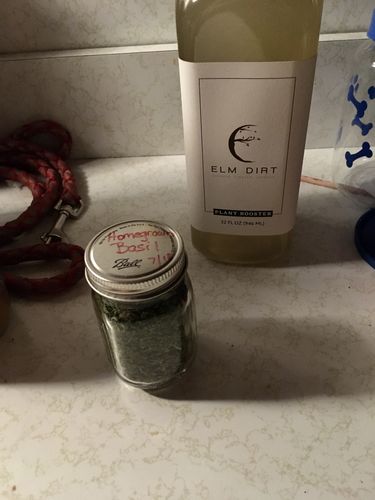
"This stuff is great! It's the end of the season for me this year but my basil was fizzling out. I used this for a boost and it loved it! I was able to fill my basil jar up after that! I can't wait to use it next year! It's completely organic and goes a long way! I'm an organic gardener and I love this product!"

Why Organic Fertilizer Makes Succession Planting Easier
Here's something it took me a while to really get: synthetic fertilizers feed the plant, but they don't build anything. The minute you stop, the soil's got nothing left. No leftover biology, no organic matter, no living system standing by for your next round. You're basically starting from zero every single time.
Organic fertilizers — especially the microbial kind — are a whole different animal. Every time you pour on Plant Juice, you're dropping in living organisms that move in and keep working. They break down organic matter, cycle nutrients, fend off the bad guys, and help roots stretch out and explore. By the time you're on your third or fourth succession planting of the year, your soil is actually better than when you started. That's what happens when you work with biology instead of fighting it.
And when you're swapping plants out every 6–8 weeks, that continuity is everything. You're not hitting reset each round — you're building on what's already there.
If you want to nerd out on the why behind all this, our piece on why organic soil amendments are the secret gets right into it.
"My dwarf cockscombs are usually tall, tiny and weak with itty bitty flowers. I watched the video on Elm Dirt and decided to give it a try. I used it on one of my cockscombs and it's now a short, stocky plant with a huge flower! I can't wait for the seeds to fall around this one and see how many grow to be as big and beautiful next Spring!"

Common Questions About Succession Planting in Summer
What is succession planting?
It's just staggering your plantings every 2–3 weeks instead of getting everything in the ground at once. The payoff is a steady harvest all season long instead of one big glut followed by a whole lot of nothing.
What vegetables can I succession plant in summer?
Lettuce, spinach, arugula, radishes, green beans, cilantro, beets, carrots, kale, and Swiss chard are all great picks. Bush beans and fast greens are especially good since they go from seed to harvest in 45–60 days.
How do I keep lettuce from bolting in summer heat?
Reach for heat-tolerant varieties like 'Jericho' or 'Nevada' romaine, give them a spot with afternoon shade, water consistently, and mulch to keep the soil cool. Starting seeds somewhere cool and transplanting them out helps a lot too.
When should I start fall succession plantings?
Count backward from your first frost date. Most cool-season crops need 45–75 days to mature, so add a couple weeks for slower fall growth. For most of us, that means starting in late July or August.
Does fertilizer help with succession planting?
Big time. Replanting into tired beds means the soil needs a quick microbial boost. A liquid organic biofertilizer like Plant Juice adds 291 verified microbial species that get right to work releasing nutrients and rebuilding biology for your next crop.
Stop Letting Your Garden Go Quiet in August
The best gardeners I know don't have bigger plots or fancier gear. They just don't stop planting. They figured out that a little planning back in May means they're still cutting fresh greens in November while everyone else's beds sit empty.
And really, none of this is complicated. It's a mindset shift more than anything — from "planting is a thing I do once" to "planting is just something I keep doing." A few small batches every couple weeks, a little soil love between rounds, and a steady pour of organic fertilizer to keep the whole thing alive.
Your soil is a living thing. Feed it like one, keep rolling crops through it, and it'll keep right on feeding you — long after everyone else has hung it up for the year.
Ready to Keep That Garden Going?
Plant Juice is CDFA Certified Organic and packed with 291 verified microbial species. Apply weekly to keep your soil biologically active through every succession planting — no synthetic chemicals, no soil burnout.
Get Plant Juice – Starting at $29.95 →