



Grow More Food in Less Space: The Square Foot Garden Method, Upgraded

Okay, confession time. The first raised bed I ever grew food in? Total chaos. I bought whatever looked pretty at the nursery and just… shoved it in the dirt. No plan. No spacing. Nothing. Then I stood there in July, scratching my head, wondering why half of it had already given up on me.
Then somebody told me about the square foot garden method. It's a dead-simple grid system that tells you exactly how many plants fit in each little square of your bed. And honestly? It changed how I garden.
But here's the part most guides leave out. The grid is only half the story. The other half is happening down in the dirt, where you can't see it. Once I started feeding my beds with living soil biology—real microbes, not just a scoop of synthetic fertilizer—my harvests got kind of ridiculous. In the best way.
So I'm gonna walk you through both. The method, and the upgrade. Because you didn't start a garden just to babysit it. You started it to eat something you grew.
What Is the Square Foot Garden Method, Really?
A fella named Mel Bartholomew came up with this back in 1981, and gardeners have been swearing by it ever since. The idea couldn't be simpler:
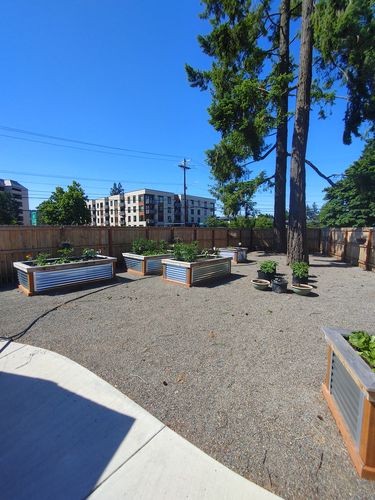
- Build or use a raised bed (4x4 feet is the classic size)
- Divide it into 1-foot squares using a physical grid
- Plant each square based on the mature size of the plant
That's the whole thing. No wide empty rows. No wasted dirt between plants. No more guessing and ending up with either a jungle or a sad little desert.
The payoff? More food in less space. Way less weeding, too, since the plants sit close enough to shade out the weeds (weeds need light, and they just don't get much). And almost nothing goes to waste.
Here's the planting density cheat sheet. Every square foot gardener I know has a version of this taped to the fridge or stuck up in the garden shed:
| Plants per Square Foot | Examples |
|---|---|
| 1 plant | Tomatoes, peppers, zucchini, broccoli, kale |
| 2 plants | Basil, dwarf sunflowers, parsley |
| 4 plants | Lettuce, Swiss chard, marigolds |
| 9 plants | Spinach, beans, beets |
| 16 plants | Radishes, carrots, onions, garlic |
A standard 4x4 bed gives you 16 squares to play with. That's up to 256 radishes if you really wanted to go nuts. Or a little of everything—tomatoes, herbs, lettuce, beans—all in one tidy little spot. That's the magic of it.
Example 4×4 Raised Bed Layout:
×1
×2
×4
×4
×1
×1
×9
×9
×16
×16
×1
×2
×16
×4
×1
×2
Why Dense Planting Demands Better Soil

Here's the part nobody mentions when they're gushing about square foot gardening. When you pack plants in this tight, they fight each other. For water, sure. But mostly for food.
In a regular row garden, every plant has a little elbow room. In a square foot bed, your tomato and your lettuce are practically holding hands underground, sharing the same few inches of root space. So the soil has to work a whole lot harder.
And that's exactly where soil health stops being a nice-to-have and becomes the whole ballgame.
Mel's original soil mix—equal parts compost, peat moss or coir, and coarse vermiculite—is genuinely good stuff. It's light, it drains well, roots love it. But here's the catch: it doesn't come packed with the living biology your plants really need when they're growing shoulder to shoulder.
That's the gap. And that's where the upgrade comes in.
🔬 Quick science moment: Soil microbes aren't just "good for soil"—they're actively working for your plants. Nitrogen-fixing bacteria like Azospirillum pull nitrogen from the air and make it plant-available. Phosphorus-solubilizing species like Pseudomonas putida unlock bound-up phosphorus in the soil. Trichoderma protects roots from fungal pathogens. When you grow densely, you want all of these species working overtime.
How to Build the Upgraded Square Foot Garden Soil
Start with Mel's Mix as your base. Then do these two little things before a single seedling goes in the ground.
Step 1: Add Worm Castings as a Soil Amendment
Worm castings are basically worm poop, and I promise that's a compliment. They're one of the richest, gentlest, slowest-releasing things you can add to a bed. And they're not just fertilizer—they're alive. Real castings are full of good microbes, humic acids, and natural plant growth hormones that no bag of synthetic stuff can fake.
Mix in about 10–20% castings by volume when you're filling a brand-new bed. For a bed you've already got going, just work 1–2 inches into the top layer. No need to get scientific about it.
"I have used Elm Dirt products in my first-ever raised bed garden boxes. Each plant has their premier worm castings. I feed twice a month with Plant Juice and every 6 weeks with Bloom Juice. I started my garden in mid May from 2" starter pots. I'm very pleased with the progress of my garden and the health of my plants."

Elm Dirt Worm Castings
Class A certified compost. Loaded with beneficial microbes, slow-release nutrients, and humic acids that transform how your raised bed performs all season. No synthetic inputs.
Step 2: Feed Weekly With a Living Microbial Liquid Fertilizer
Once everything's planted, the job changes. Now you just gotta keep those plants fed—steady and gentle—without scorching them or dumping a pile of synthetic salt into the soil.
This is where Plant Juice earns its keep. It's a CDFA Certified Organic liquid fertilizer, and an independent lab called BiomeMakers tested it and counted 291 different species of beneficial soil microbes (Report CUX005, May 2024). I didn't make that number up to sound fancy. It's a real lab report from an outside company that does nothing but study soil biology all day.
A few of the workhorses pulling shifts down in your bed:
- Azospirillum — pulls free nitrogen right out of the air and hands it straight to your plants
- Pseudomonas putida — pries loose the phosphorus that's already in your dirt but stuck where roots can't reach it
- Trichoderma — stands guard over roots against fungal nasties, which really matters when plants are crowded
- Flavobacterium — keeps nutrients cycling and roots happy
- Caulobacter and Sphingomonas — break down old organic matter into stuff your plants can actually use
The lab numbers worth caring about for a food garden:
- 80% of species support nitrogen release
- 27% solubilize phosphorus
- 84% produce auxin/IAA (the plant hormone that drives root development)
- 56% have antifungal activity
- 70% produce cytokinins (which drive leaf and shoot growth)
When your plants are crammed together fighting over every last scrap of nutrition, all that biology isn't some fancy bonus. It's the whole point.

"My Gala apple tree suffered catastrophic root damage after a late-winter wind storm. Hoping its tap root was still intact, I uprighted it and fed it Plant Juice. The recovery was remarkable—it came back stronger than before."

Plant Juice — CDFA Certified Organic
291 verified soil microbe species per BiomeMakers lab. Liquid formula—just dilute and water in. Works for vegetable gardens, raised beds, containers, and indoor plants. No harsh chemicals, no burning.
The Upgraded Square Foot Garden: Week-by-Week Care Routine

Here's my favorite part: when you pair square foot gardening with living soil, the routine gets easier, not harder. Here's the rhythm I stick to:
| Timing | Task | Why It Matters |
|---|---|---|
| Before planting | Mix worm castings into top 4–6 inches of soil | Inoculates soil with beneficial microbes before plants go in |
| At transplant | Water in with diluted Plant Juice | Reduces transplant shock, establishes root microbiome immediately |
| Weekly (growing season) | Water with Plant Juice (1–2 oz per gallon) | Continuous microbial feeding keeps nutrients cycling to dense plantings |
| Every 6 weeks | Top-dress with worm castings | Replenishes slow-release nutrition as heavy feeders deplete the bed |
| When flowering starts | Add Bloom Juice alongside Plant Juice | Drives flower set and fruit development in tomatoes, peppers, squash |
And that's pretty much it. No fussing over nutrient ratios. No scorched plants from a mix that was too strong. Just steady, living biology quietly doing its thing.
Square Foot Gardening Tips to Maximize Your Harvest
Soil aside, a handful of simple habits will make your little garden produce way more than you'd ever expect.
Use Succession Planting to Never Have an Empty Square
When your spring lettuce bolts and you yank it out in June, don't just let that square sit there empty. Pop in a bean seedling, or sow another round of carrots. It's called succession planting, and it's how the serious folks keep pulling food out of the same bed nearly all year long.
Add Companion Plants Intentionally
Square foot gardening and companion planting go together like peas and, well, carrots. Tuck marigolds into the border squares to shoo off aphids and nematodes. Plant basil next to your tomatoes (folks swear it makes them taste better, and there's actually some research backing that up). And keep the tall plants on the north side so they don't throw shade on the little guys.
Don't Skip the Grid
I know, I know—it feels like one more chore. But the actual grid is what makes the whole thing work. Skip it and you'll start eyeballing distances and slide right back into your old random-planting habits (ask me how I know). Build one out of stakes and twine, bamboo skewers, even an old set of blinds cut to size.
Go Vertical
Cucumbers, pole beans, peas—they're perfectly happy to climb instead of sprawl. Stick a trellis on the north or east edge of your bed and all of a sudden one square is doing the work of three. If you're short on space, going vertical is the single best trick I know.
Keep the Soil Biologically Active Between Seasons
When fall winds down, don't leave that bed naked all winter. Sow a cover crop, or just tuck it in under an inch of worm castings. You spent all season building up those little microbe communities—this keeps them alive and cozy. And trust me, they'll pay you back tenfold come spring.
"I am not sure which one of the products I purchased that has been so helpful for my plants, the Elm Dirt or the Worm Castings, since I use them together. I just purchased many succulents and some garden plants. They are all thriving since I started using the products. I will definitely continue to use them."

Why I Stopped Worrying About Synthetic Fertilizers in My Raised Beds

When Elm Dirt got started, I was a brand-new mom. My daughter was just learning to crawl, and there I was with my backyard garden. And one day it just hit me—what on earth is actually in the stuff I'm dumping in this soil? What's ending up on her little hands? What are we putting on our plates?
Most synthetic fertilizers are salt-based nitrogen, phosphorus, and potassium. Do they work fast? Sure. But they don't feed the soil itself. Over time they can actually wipe out the good microbes living down there. And you've gotta keep reapplying them, over and over, because there's no biology left in the dirt to hang onto nutrients between feedings.
Living biology plays a whole different game. Once you've got a healthy little microbe community going in your bed, it pretty much takes care of itself. It recycles nutrients out of decaying matter. It shields roots from disease. It helps your plants shrug off a dry spell. It keeps clocking in even on the days you forget to.
That's the upgrade. And if you're a parent, or you just don't love the idea of guessing what's in the food you grow—it's a pretty big deal.
👉 What Gardens Using Synthetic Fertilizer Are Missing
👉 How to Transition Your Garden to Fully Organic
👉 How to Prep a Raised Bed for Spring Planting in One Weekend
Frequently Asked Questions About Square Foot Gardening
What is the square foot garden method?
The square foot garden method divides a raised bed into one-foot squares, each planted with a different crop based on plant size. It maximizes yields in small spaces by eliminating wide row spacing and using every inch intentionally.
How many plants can I fit in a square foot garden?
It depends on the plant. One square foot can hold 1 tomato or pepper, 4 lettuces, 9 spinach plants, or 16 radishes or carrots. The method uses a density chart to guide spacing by plant type.
What kind of soil is best for square foot gardening?
Mel Bartholomew's original Mel's Mix is a 1/3 blend of compost, peat moss, and coarse vermiculite. Upgrading it with worm castings and a liquid soil inoculant that adds living microbes takes plant productivity even further.
Do I need fertilizer for a square foot garden?
Yes—especially when growing densely. Plants compete for nutrients in a small space. Feeding with a CDFA Certified Organic liquid fertilizer like Plant Juice every 1–2 weeks delivers nutrients and living microbes directly to the root zone.
Can I use the square foot method in raised beds?
Absolutely. Raised beds are ideal for square foot gardening. They give you control over soil quality, drain better, and warm up faster in spring—all of which help you get more food from a smaller footprint.
Ready to Grow More Food in Less Space?
Start with the products that feed your soil biology—not just your plants.
No synthetic chemicals. No guessing. Just real results from real microbes.
