



Companion Planting Guide for Tomatoes: What to Plant Next to Them and What to Keep Away
 🍅 Companion Planting
I'll be honest — for the first couple summers I grew tomatoes, I just stuck whatever fit next to them. Marigolds over here because they were pretty. A pepper plant there because I ran out of bed space. Broccoli right next to them one year because I thought, hey, more vegetables = better garden.
My tomatoes were fine. Not great. Fine. Meanwhile my neighbor Carol — same neighborhood, same Kansas City summer heat — was hauling in tomatoes like it was her job. I finally asked her what she was doing differently. "Oh honey," she said. "You've got to think about who you're planting next to them."
That conversation sent me down a rabbit hole I haven't climbed out of since. Turns out there's real science behind which plants help each other and which ones quietly make each other miserable. We're talking documented pest reduction, soil chemistry, root interactions — not just old folklore your grandma passed down. Some pairings genuinely work. Some are actively hurting your harvest right now and you don't even know it.
This guide is everything I wish I'd known before that broccoli incident. Best neighbors, worst neighbors, a quick chart you can actually use at planting time, and the one soil factor most companion planting guides forget to mention entirely.
📋 In This Guide:
The Best Companion Plants for Tomatoes
Good news first — tomatoes are social. They've got a long list of plants they genuinely get along with. Here's who to invite to the party and what they actually bring to the table.
🌿 Basil
This is the pairing everyone's grandmother knew about, and it turns out grandma was right. Basil releases volatile oils — linalool and eugenol specifically — that thrips, aphids, and whiteflies really don't like. Plant it within about 18 inches of your tomatoes and let it do its thing. Some people swear basil improves tomato flavor too. The science on that one's a little fuzzy, but honestly, you're growing basil right next to your tomatoes. You win either way — caprese salad's right there.
🌼 Marigolds
If I could only plant one companion with tomatoes, it'd be French marigolds — the small ones, Tagetes patula. Their roots release something called alpha-terthienyl that kills root-knot nematodes in the soil. Nematodes are tiny worms that attack tomato roots and are an absolute nightmare to deal with once you have them. French marigolds stop them before they start. They also knock back whiteflies and aphids above ground. The Royal Horticultural Society did actual research on this and confirmed the whitefly reduction is real. Plant them thick at your bed borders and don't skip them.
🥕 Carrots
Carrots are the quiet, helpful neighbor who doesn't ask for much. As they grow down, they naturally loosen and aerate the soil around your tomato roots — better drainage, more airflow underground. They don't compete hard for nutrients either. One thing to watch: big tomato plants can shade carrot tops if you crowd them, so give at least 10-12 inches of space. Plant them on the edges, not right underneath.
🌺 Borage
Borage doesn't get nearly enough credit. It repels tomato hornworms — those massive green caterpillars that can strip a plant overnight — and it pulls in more bees than almost anything else I've grown. Better pollination means more tomatoes. It self-seeds like crazy too, so you plant it once and it just keeps showing up. The flowers are a striking starry blue. Honestly it looks beautiful in the bed and earns its keep every single year.
🌾 Parsley
Parsley is a magnet for predatory wasps and hoverflies — the good guys that eat aphids. It's also a host plant for swallowtail butterfly caterpillars, which is a lovely bonus if you enjoy watching butterflies in your yard. Don't crowd it right up against the tomato trunk; give it a foot or so and let it spread a little.
🌸 Nasturtiums
Here's the sneaky thing about nasturtiums — aphids love them even more than they love tomatoes. So you plant nasturtiums at the edges of your bed, the aphids head there first, and your tomatoes get left alone. It's called a trap crop, and it works beautifully. Plus the flowers and leaves are both edible and taste great in a salad. I love plants that pull double duty.
🧄 Garlic & Chives
Garlic and chives are thought to work by masking the scent of your tomato plants — pests sniff around, get confused by the allium smell, and move on. They're particularly good against aphids, spider mites, and Japanese beetles. Chives also bloom into pretty purple pom-pom flowers that bees love. Penn State Extension puts alliums on their short list of most broadly useful companion plants — and I'd agree. Easy to grow, long season, zero drama.
🥬 Lettuce & Spinach
This one's more about using your bed space efficiently than pest control. Lettuce and spinach are cool-season crops that actually prefer a little shade — which tomatoes provide plenty of as they get big. Start them around the base of your tomato transplants in spring. By the time the tomatoes really fill in and summer heat hits, you've already harvested your greens and the space opens right back up. It's a nice little relay system.
🫐 Asparagus
This one goes both directions, which is kind of cool. Tomatoes repel the asparagus beetle, and asparagus produces a compound that helps keep nematodes in check around your tomato roots. The catch is that asparagus is a perennial — it comes back every year from the same crown — so it needs its own permanent spot. If you've already got an established asparagus bed, try running a row of tomatoes nearby. They'll look out for each other.
🔬 Why it works underground, not just above it: A lot of what companion planting does happens in the soil — plants signaling each other through root exudates, sharing nutrients through microbial networks, suppressing each other's diseases. Microbes like Pseudomonas putida, Azospirillum brasilense, and Trichoderma harzianum are the connectors that make those networks function. A 2019 study in Frontiers in Plant Science found that companion planting worked significantly better in microbially diverse soils than depleted ones. Which means the health of your soil is at least as important as which plants you pair together.
What NOT to Plant Near Tomatoes
This is the part people don't expect. Some of these seem totally harmless — you'd never guess they were causing problems. A few of them you might have planted next to your tomatoes already.
🌿 Fennel
Fennel is the antisocial neighbor of the vegetable world. It releases chemicals from its roots that actively inhibit the growth of almost everything around it — tomatoes included. It's called allelopathy and fennel is one of the worst offenders in the garden. I love fennel. I grow fennel. But it lives in its own pot, away from everything else, and that's just the arrangement we have.
🥦 Brassicas (Broccoli, Cabbage, Cauliflower, Kale)
Broccoli, cabbage, cauliflower, kale — they all compete hard for the same nutrients tomatoes need, especially calcium. Put them in the same bed and both crops end up fighting for resources neither gets enough of. They also bring their own pest problems (flea beetles, cabbage worms) that will happily migrate to your tomatoes once they're settled in. Different beds. Really.
🌽 Corn
This one always surprises people. The corn earworm and the tomato fruitworm are the exact same insect — Helicoverpa zea — just with different names depending on which crop it's eating. Plant corn and tomatoes near each other and you're essentially doubling the food supply for a pest that's going to eat both. Spread them out as far as your garden allows.
🥔 Potatoes
Potatoes and tomatoes are in the same plant family (nightshades), which sounds like they'd get along — but it actually means they share the same diseases. Early blight, late blight, Phytophthora — if one plant gets it, it travels fast to the other. This is not a theoretical risk. It happens regularly and it can take out a whole bed fast. Keep your potato patch well away from your tomatoes, full stop.
🌿 Dill (when mature)
Dill is a maybe, not a no — but you have to catch it at the right time. Young dill is actually a decent companion; it attracts beneficial insects. The problem is when it bolts and goes to seed. At that point it starts inhibiting tomato growth, and it becomes a hornworm magnet on top of that. If you want dill in your garden, keep it clipped young or grow it in a separate area entirely.
🌱 Eggplant
Eggplant is another nightshade, so same story as potatoes — same pests, same diseases, same vulnerabilities. When you cluster nightshade-family plants together you're just concentrating the risk. One sick plant can take the whole group down. Give them their own space on the other side of the garden.
⚠️ The nightshade rule: Tomatoes, peppers, eggplant, and potatoes are all in the same family. They're all susceptible to the same diseases and share some of the same pests. Spreading them around the garden instead of clustering them together means one problem doesn't take out everything at once.
Quick Reference: Tomato Companion Planting Chart
Here's the short version you can actually look at when you're standing in the garden trying to figure out where to put things. Tape it to the potting bench if that helps. For a wider look at companion pairings beyond just tomatoes, we've got a full companion planting chart with 20 plant pairs.
| Plant | Plant Together? | Why |
|---|---|---|
| Basil | ✅ Yes | Repels aphids, thrips, and whiteflies; possible flavor benefit |
| French Marigolds | ✅ Yes | Suppresses nematodes; deters whiteflies and aphids |
| Carrots | ✅ Yes | Aerates soil; low competition for nutrients |
| Borage | ✅ Yes | Deters hornworms; attracts pollinators |
| Parsley | ✅ Yes | Attracts beneficial predatory wasps and hoverflies |
| Nasturtiums | ✅ Yes | Trap crop for aphids; edible bonus |
| Garlic / Chives | ✅ Yes | Repels aphids, spider mites, and beetles |
| Lettuce / Spinach | ✅ Yes | Uses tomato shade; harvested before competition |
| Asparagus | ✅ Yes | Mutual pest deterrence; nematode suppression |
| Peppers | ⚠️ Maybe | Same family, similar needs — okay if healthy soil; watch for disease |
| Young Dill | ⚠️ Maybe | Beneficial young; harmful when mature — manage carefully |
| Fennel | ❌ No | Allelopathic to nearly all vegetables including tomatoes |
| Brassicas | ❌ No | Heavy nutrient competition; share pests |
| Corn | ❌ No | Shares fruitworm/earworm pest |
| Potatoes | ❌ No | Shares blight disease; same family |
| Eggplant | ❌ No | Same pests and diseases; concentrates nightshade risk |

Plant Juice — CDFA Certified Organic Fertilizer
Verified with 291 microbial species (BiomeMakers Report CUX005). The living fertilizer that actually builds the soil biology your tomatoes — and their companions — need to thrive. Safe for kids, pets, and pollinators.
Shop Plant Juice →The Soil Biology Factor Nobody Talks About
Here's the thing most companion planting articles don't mention, and it's the part that actually matters most. All of this — the pest deterrence, the nutrient sharing, the disease suppression — works through the soil. If your soil is biologically dead from years of synthetic fertilizers, companion planting is going to underperform no matter how perfectly you arrange your plants.
I think about it like a phone network. Companion plants are trying to communicate and cooperate with each other, but the microbes in the soil are the signal. No signal, and it doesn't matter how good the plan is.
Specifically: Azospirillum brasilense and Pseudomonas putida fix and release nitrogen in a form plants can actually use — not just for your tomatoes, but for the companions growing in the same root zone. Trichoderma harzianum suppresses Fusarium, the fungus behind tomato wilt. Lysobacter enzymogenes and Sphingomonas fight bacterial diseases. And fungi like Mortierella physically connect plant root systems, letting them share nutrients with each other the way trees do in a forest. We've written individual posts on several of these if you want to go deep: Pseudomonas, Trichoderma, Lysobacter, Mortierella, and Sphingomonas.
🔬 The research backs this up: A study in Applied Soil Ecology (2019) found that companion planting produced significantly better results in soils with high microbial diversity than in depleted soils. Basically, companion planting works through the soil — and if the soil isn't active, neither is the companion planting.
This is exactly why I built Plant Juice the way I did. We had our formula independently tested by BiomeMakers (Report CUX005) and they found 291 verified microbial species in a single bottle. That includes 80% nitrogen-releasing capacity, 84% auxin production (which drives root growth), 82% ACC deaminase activity (helps plants handle transplant stress), and 56% fungal pathogen suppression. Those aren't just numbers — that's the living infrastructure that makes your companion planting strategy actually deliver results instead of just looking nice on paper.
Build the soil first. Get the companions in next. Those two things together are where the magic is. For more on what your soil actually needs before you plant, see what to add to garden soil before planting and our plain-English explainer on what living soil actually means.
What Gardeners Are Saying
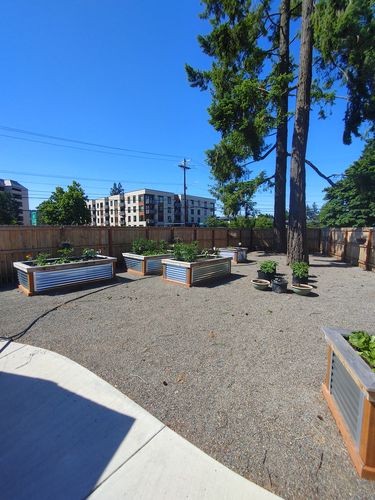
"I have used Elm Dirt products in my 1st time ever raised beds garden boxes. Each plant has there premier worm castings. I feed twice a month with Plant Juice and every 6 weeks with Bloom Juice. I started my garden in mid May from 2" starter pots. I'm very pleased with the progress of my garden and the natural organic products I use."
"This is a GREAT product! I've been using it on my extensive organic gardens and it really does what it says. Plants that hadn't been doing well revived and others became more prolific! I've now reordered several times and plan to continue doing so. Way to go folks!"
"This product took my pale, struggling organic plant to a prize winning specimen. I utilized 1 oz of both (Plant Juice & Bloom Juice) per gallon of non-chlorinated water, two times a week for 8 weeks in the ground through foliar feeding. Of course a healthy plant requires more watering, as the microorganism activity and digested amino acids is what restored this plant."
How to Actually Lay Out Your Companion Planted Tomato Bed
Knowing what to plant is one thing. Fitting it all into a real raised bed without it turning into chaos is another. Here's how I think about it.
Think in Zones
- Right at the base (0-12 inches): Basil, lettuce, spinach. Low-growers that tuck in nicely under the tomato canopy and don't fight for space or nutrients.
- Middle ring (12-24 inches): Chives, parsley, carrots. They do pest deterrence and soil work without crowding the tomato's root zone.
- Bed edges and corners: Marigolds, nasturtiums, borage. Think of these as your perimeter defense — they catch pests before they ever reach the tomatoes.
A Simple 4x8 Raised Bed Setup
Two or three tomato plants down the center. Basil tucked between them. Carrots along one long side. Marigolds along the other long side and the two short ends. Nasturtiums in the corners. That's it. It's simple, it's effective, and it honestly looks really nice too. See our full raised garden bed care guide if you're still getting your beds set up.
You Don't Have to Plant Everything at Once
One thing that trips people up — they think all the companions need to go in on the same day. They don't. Start with your cool-season plants (lettuce, spinach, parsley) early in spring. They'll be done by the time summer really heats up. Then fill in with your warm-season companions as the season progresses. Our succession planting guide walks through timing this in a way that actually makes sense.
If you want to dig even deeper into companion planting strategy, the complete companion planting guide and our advanced companion planting post cover a lot more ground. And if you're starting tomatoes from seed this season, the tomato starting guide is worth a read before you get too far in.

Ancient Soil — Class A Certified Worm Castings
100% worm castings, Class A certified. Mix into your raised bed soil before planting to build the microbial foundation your tomatoes and their companions need. Slow-release nutrition with no burn risk.
Shop Ancient Soil → Worm Castings →🌱 The short version
Basil, marigolds, borage, carrots, parsley, nasturtiums, and alliums all have documented, specific reasons to be near your tomatoes. Fennel, potatoes, corn, brassicas, and eggplant have documented, specific reasons not to be. And below all of it, a soil full of living biology is what makes the whole companion planting system function the way it's supposed to. Get the plant placement right, feed the soil with Plant Juice and worm castings, and you'll spend a lot less time fighting your garden and a lot more time enjoying it.
Frequently Asked Questions
What is the best companion plant for tomatoes?
Basil, hands down. The volatile oils it releases repel thrips, aphids, and whiteflies, and it grows happily right at the base of your tomatoes. French marigolds are a close second — they handle nematodes underground and pests above ground at the same time. Borage, nasturtiums, and parsley round out the short list.
What should you NOT plant next to tomatoes?
Fennel is the biggest one — it releases chemicals that stunt almost everything around it, tomatoes included. After that, keep potatoes and eggplant away (same family, share diseases), corn away (shares a major pest), and brassicas away (heavy nutrient competition). If you've got any of these near your tomatoes right now, consider moving them next season.
Do marigolds really help tomatoes?
Yes, and this one is well-documented. French marigolds specifically (not all marigolds — the small Tagetes patula variety) suppress root-knot nematodes through compounds their roots release. The Royal Horticultural Society studied it and confirmed the whitefly reduction is real too. Plant them generously around the border of your tomato bed.
Can I plant peppers next to tomatoes?
Usually fine — they don't harm each other and have similar growing needs. The caveat is that both are nightshades, so if disease shows up it can jump between them easily. If you plant them together, put some basil or marigolds between them as a buffer and watch for any signs of blight early in the season.
How does soil biology affect companion planting?
More than most people realize. The pest deterrence, nutrient sharing, and disease suppression between companion plants all happen through the soil — through microbial networks that connect root systems and facilitate communication between plants. If your soil is depleted, those networks don't exist. That's why we recommend feeding with Elm Dirt Plant Juice — it introduces and supports the specific microbial species that make those underground connections work.
How far apart should companion plants be from tomatoes?
Basil and lettuce can go right at the base, 6-12 inches away. Carrots, chives, and parsley do well at 12-24 inches. Marigolds and nasturtiums belong at the edges of the bed — think of them as the border patrol, not the interior plants.
Is companion planting organic?
Completely. It's one of the oldest forms of chemical-free pest and disease management there is. You're using plant relationships instead of sprays. Pair it with a CDFA Certified Organic fertilizer like Plant Juice and your whole system stays synthetic-chemical-free.
How do I fertilize tomatoes organically alongside companion plants?
The same way I fertilize everything — Plant Juice every 2 weeks, Bloom Juice every 6 weeks once tomatoes start flowering. Because it works through living soil biology rather than direct feeding, it benefits the whole root zone — tomatoes and companions alike. The full schedule and application details are in our organic tomato fertilizing guide.

Ready to Put This Into Practice?
Get the companions in the ground. Feed the soil with living biology underneath them. Then step back and let the system do the work — less fighting pests, less chasing problems, more actually enjoying your garden.
Try Plant Juice — $19.95 Shop Worm Castings →Keep Reading
- The Complete Companion Planting Guide
- Advanced Companion Planting Techniques
- Companion Planting Chart: 20 Best Plant Pairs
- How to Start Tomatoes: Seed to Transplant
- How to Fertilize Tomatoes Organically
- Blossom End Rot in Tomatoes: Organic Fix
- Natural Pest Control in the Vegetable Garden
- Attracting Beneficial Insects to Your Garden
- Organic Vegetable Gardening 101
- The Soil Health Guide: Building Living Soil
- Raised Garden Bed Care Guide
- Succession Planting for a Continuous Harvest
