



Best Organic Fertilizer for Fruit Trees (By Fruit Type — Citrus, Stone Fruit, Berries)

Fruit trees sound so straightforward. Plant it, water it, pick fruit off it in a couple of years. Except then you plant one — and spend the next two seasons watching it slowly look more and more miserable while you Google "why is my lemon tree dying" at 11pm. Been there. The thing nobody tells you is that citrus, stone fruit, and berries are actually really different from each other. What works great for a peach tree can do almost nothing for a blueberry bush. This guide breaks it down by fruit type, so you're not just throwing fertilizer at the problem and hoping something sticks.
Why Organic Fertilizer Actually Matters for Fruit Trees
Okay, I'll admit — I didn't fully get this until I went deep on soil biology as a chemical engineer. I thought fertilizer was fertilizer. It's not.
Conventional fertilizers push nutrients into the plant through soluble salts. They work fast. But fruit trees have root systems that evolved alongside billions of soil microbes — they're supposed to be in a relationship with those microbes. Pour synthetic salts in repeatedly and you start killing off the very organisms that help your tree absorb nutrients, fight off disease, and get through a dry summer without completely melting down.
What you end up with is a tree that's totally dependent on its next fertilizer hit to survive. That's not a healthy tree. That's a tree on life support.
Organic fertilizers — especially the living, microbial kind — work from the ground up. They feed the soil ecosystem instead of bypassing it. The microbes fix nitrogen out of the air, unlock phosphorus that's already sitting in your soil but locked up in the wrong form, produce natural growth hormones, and crowd out the bad guys.
And honestly? If you've got kids running around picking fruit off your trees and eating it right there — that matters a lot. No synthetic residues. No salt crust building up in your soil year after year. Just fruit you actually feel good about.

Best Organic Fertilizer for Citrus Trees (Lemon, Orange, Lime, Grapefruit)
🍋What Citrus Trees Actually Need
Citrus is probably the most high-maintenance fruit tree you can grow. I say that with love — I have a Meyer lemon I've been nursing along for years — but these trees are demanding. They're heavy nitrogen feeders, which means they need a steady, consistent supply all season long. Not two big applications a year. Steady. Low. All the time.
They're also surprisingly sensitive. Synthetic fertilizer salts damage the shallow feeder roots really fast. And once a citrus tree starts yellowing from root stress, it takes forever to come back. I've watched people dump bag after bag of stuff on a struggling tree and wonder why it just keeps looking worse. Usually it's the fertilizer making things worse, not better.
On top of that, citrus needs micronutrients — especially magnesium and iron — that are almost always locked up in the soil. Synthetic fertilizers don't unlock those. Living microbes do.
The main things to solve for with citrus:
- Steady nitrogen that won't burn those shallow roots
- Micronutrient availability — especially magnesium, iron, and zinc
- Root system support (citrus feeder roots are delicate)
- Consistent fruiting — without good soil biology, citrus will alternate heavy and light years
How to Feed Citrus Organically
Plant Juice is genuinely one of the best things you can do for a citrus tree. It delivers nitrogen through microbial activity — specifically through bacteria like Azospirillum that literally pull nitrogen out of the air and make it available to your tree. No salt. No root burn. The 80% inorganic nitrogen release in our BiomeMakers lab report isn't a marketing claim — that's what independent analysis actually found those microbes doing in real soil.
Pair it with Ancient Soil worm castings worked into the root zone and you've got slow-release nutrition, humic acids that help your tree actually absorb those locked-up micronutrients, and a microbial community that sticks around long-term — not just until the next rain washes everything away.
How I'd feed citrus organically through the year:
- Late winter / early spring: Work worm castings into the top 2–3 inches of soil around the drip line. Start weekly Plant Juice applications (1–2 oz per gallon of water).
- Spring through summer: Keep those weekly liquid applications going. This is the heavy growth period — don't trail off just because it feels like things are going well.
- After fruit set: Stay consistent. Potassium matters for fruit quality now, and the Pseudomonas putida in Plant Juice helps cycle potassium through the soil naturally.
- Early fall: Start tapering off. One more round of worm castings as a top-dress is great here.
- Winter: Let the tree rest. The soil biology will keep doing its thing on its own — you don't need to feed a dormant tree.
After an entire year my Meyer Lemon is loaded with blooms. My greenhouse plants started blooming a week after using "the juice." I have 4 friends now using the juice and all are seeing their plants becoming healthier.

I had started 3 citrus trees — kefir lime and Meyer lemon — from seed. They got sunburned and stopped growing for nearly 6 months. Within a week of the first application, there was new growth and the leaves were greening. One sapling doubled in size, the other two grew 50% taller. It's a microbial miracle!
Best Organic Fertilizer for Stone Fruit Trees (Peach, Cherry, Plum, Apricot, Nectarine)
🍑What Stone Fruit Trees Actually Need
Stone fruits — peaches, cherries, plums, apricots — are a little more forgiving than citrus, which is a relief. But they've got their own set of problems. Root rot is a big one. Phytophthora loves stone fruit roots, and fire blight can work its way in if the soil biology isn't there to push back. Good drainage helps, but what really helps is having a thriving microbial community in your soil that competes with pathogens before they ever get established.
Stone fruits are also heavy producers when they're happy — which means they lean hard on phosphorus during fruit development. Here's the thing about phosphorus: it's almost always present in garden soil in plenty. It's just usually locked up in a form plants can't use. That's where microbes earn their keep.
What stone fruit trees need most:
- Moderate, balanced nitrogen — not the aggressive feeding citrus needs
- Phosphorus availability at bloom time and again when fruit is sizing up
- Biocontrol — natural protection against root diseases and fungal problems
- Strong, deep roots to hold up under a heavy fruit load
How to Feed Stone Fruit Organically
With stone fruit, I like to lead with Ancient Soil worm castings. Work them in each spring (and at planting time if you're putting in something new). The humic acids improve soil structure, the slow-release nutrition keeps things steady, and you're not at risk of pushing so much vegetative growth that the tree forgets to actually make fruit.
Then layer in Plant Juice every 1–2 weeks through the season. The 27% inorganic phosphorus solubilization in Plant Juice is a real number from our lab analysis — those are specific microbial species doing real chemistry to unlock the phosphorus your trees need right when they're forming buds and sizing fruit.
That 56% fungicide biocontrol activity is the other thing I'd highlight here. Trichoderma and related species in Plant Juice actively compete with root pathogens. Less disease pressure. Less intervention. More fruit that you actually feel good about eating.
I love Elm Dirt! I've been using it for 4 years now. My plants are healthy and grow large and tall. My young apple tree is filled with flowers this week — her first flowers ever! The grape vines are growing beautifully too.
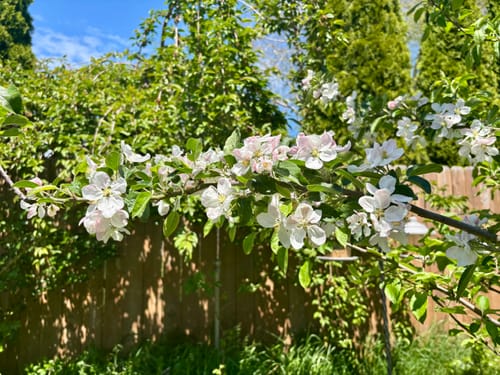
My Gala apple tree suffered catastrophic root damage after a late-winter wind storm. I was about to replace it when I tried Plant Juice. A few weeks later I was ecstatic — new leaves were growing larger, more leaves appearing on more branches, leaf clusters forming everywhere. Plant Juice was this tree's savior. I'm sure I will be buying more to improve my whole orchard.


Best Organic Fertilizer for Berry Plants (Blueberry, Strawberry, Raspberry, Blackberry)
🫐What Berry Plants Actually Need
Okay, berries are my favorite. I know I probably say that about a lot of plants. But berries respond to good soil biology so fast that you can actually see it happening week to week — which is incredibly satisfying when you've been staring at a struggling blueberry bush for two years wondering what you're doing wrong.
Here's the thing about blueberries specifically: they are pH drama queens. They want acidic soil — pH 4.5 to 5.5 — and if it's not right, they will just... not. Sit there. Look sulky. Produce maybe twelve berries. Most synthetic fertilizers completely ignore pH. They dump nutrients in and move on. Organic approaches that build soil biology over time actually help with natural pH buffering, especially when you're working in worm castings regularly.
Strawberries are different again — they love good drainage and respond really fast to microbial root support. Raspberries and blackberries want consistent feeding through their whole fruiting push. Different vibes, same underlying principle: healthy soil makes everything easier.
What berry plants need most:
- Light, consistent nitrogen — berries don't need the heavy feeding that citrus does
- Good soil structure and drainage (strawberries especially)
- Mycorrhizal fungi support — blueberries have evolved to depend on these relationships
- Strong bloom support once flowering starts
How to Feed Berries Organically
Plant Juice is great for berries — start it in early spring as new growth appears and keep weekly applications going through the season. The 84% auxin (IAA) production means stronger root development, which translates directly to better water and nutrient uptake and more fruit per plant. That's not a small thing.
Once your plants start flowering, add Bloom Juice into the rotation. Bloom Juice was formulated specifically for this stage — 192 microbial species focused on bloom support, with a 94% inorganic nitrogen release rate. Your berry plants are working hard right now and they need fuel at the right moment.
Each spring, work Ancient Soil worm castings into your berry beds. For blueberries especially, focus them around the drip line — the slow-release nutrition and mild pH-buffering effect are genuinely helpful for acid-loving plants.
When I transplanted my strawberries, I gave them a light dose. The following week I gave them a full dose. In 3 weeks they went from small runners to blooming healthy plants. First time they grew this fast in years.

Both my strawberry plants and my blueberry bushes are growing unbelievably. I am so happy I will continue using Plant Juice as long as I intend on growing.
Quick Reference: Organic Fertilizer by Fruit Tree Type
| Fruit Type | Primary Product | Feeding Frequency | Key Benefit |
|---|---|---|---|
| 🍋 Citrus (lemon, orange, lime) | Plant Juice + Ancient Soil | Weekly (spring–fall) | Steady N without root burn; micronutrient unlock |
| 🍑 Stone fruit (peach, cherry, plum) | Plant Juice + Ancient Soil | Every 1–2 weeks | Phosphorus at bloom; root disease biocontrol |
| 🍎 Apple & pear | Plant Juice + Ancient Soil | Every 1–2 weeks | Root repair; consistent growth; disease resistance |
| 🫐 Blueberry | Plant Juice + Ancient Soil | Weekly (growing season) | Mycorrhizal support; natural pH buffering |
| 🍓 Strawberry | Plant Juice + Bloom Juice | Weekly | Fast transplant recovery; bloom support |
| 🍇 Raspberry / blackberry | Plant Juice + Bloom Juice | Weekly (spring–fruiting) | Vigorous cane growth; prolific fruiting |

General Tips for Fertilizing Fruit Trees Organically
A few things that apply no matter what you're growing — citrus, stone fruit, berries, whatever:
- Wet soil first, then apply. Liquid biofertilizers need moisture to move through the soil and do their thing. If you apply to dry dirt, the microbes can't establish. Water first, then feed.
- Consistency beats intensity. This isn't a one-time fix. Living fertilizers are about building biology over time. A little bit every week beats a big application every few months every single time.
- Start at bud break. Early spring — when the buds are just starting to swell — is the single best time to begin. The tree is waking up, the soil biology is ramping up, and what you put in now compounds all season.
- Ease off before frost. Stop heavy nitrogen applications 6–8 weeks before your first expected frost. Late-season nitrogen pushes soft new growth that freezes and dies. Not what you want.
- You're managing a soil ecosystem, not just a tree. Feed the soil and the soil feeds your tree. That's the whole organic approach in one sentence. Once you internalize that, everything else makes sense.
If you want to go deeper on the soil side of things, our soil health guide is a good place to start. Our organic soil amendments post explains how worm castings and microbial inputs work together, and if you're brand new to organic fertilizing, the beginner's guide covers the basics without overwhelming you.
Ready to Feed Your Fruit Trees the Right Way?
Plant Juice has 291 verified microbial species, CDFA organic certification, and real results from real gardeners growing real fruit. Starting at $19.95 for a 16 oz bottle — enough to get your whole season started.
Shop Plant Juice →Frequently Asked Questions About Organic Fertilizer for Fruit Trees
What is the best organic fertilizer for citrus trees?
Citrus needs consistent nitrogen without the salt buildup that burns those shallow feeder roots. A living biofertilizer like Plant Juice delivers nitrogen through microbial activity — our BiomeMakers lab shows 80% inorganic nitrogen release — which means steady feeding without the damage that comes with synthetic salts.
When should I fertilize fruit trees organically?
Start at bud break in early spring and feed consistently through the growing season. Back off on nitrogen 6–8 weeks before your expected first frost — late-season nitrogen pushes tender new growth that cold weather will just kill off anyway.
Can I use the same organic fertilizer for all fruit trees?
A living soil fertilizer like Plant Juice works across all fruit types because it's feeding the soil ecosystem, not force-feeding the plant. You can fine-tune by pairing it with worm castings for stone fruits, or switching to Bloom Juice during berry flowering, but the foundation is the same.
Are organic fertilizers safe around kids and pets near fruit trees?
That's actually one of the main reasons we built Elm Dirt the way we did. Plant Juice and Ancient Soil have no synthetic chemicals — which means you can let your kids pick a peach or a handful of strawberries right off the plant and not worry about what's on them.
How is Plant Juice different from regular liquid fertilizer?
Regular liquid fertilizers are dissolved salts. They work fast and then they're gone — and over time they degrade your soil. Plant Juice is a living biofertilizer with 291 verified microbial species. Those microbes build soil biology over months and years, improving how your trees absorb nutrients, handle disease, and hold up through stress. It's a completely different approach.
More Helpful Reading
- Indoor Citrus Tree Care Guide
- Complete Guide to Trees and Shrubs
- Organic Vegetable Gardening Guide
- Soil Health Guide
- 5 Reasons to Stop Using Synthetic Fertilizers
- Organic Soil Amendments Are the Secret
- Beginner's Guide to Organic Fertilizer
- Worm Castings: The Secret Ingredient
- Natural Pest Control for the Garden

Lauren Cain — Founder & Chemical Engineer, Elm Dirt · Grandview, MO
Lauren started Elm Dirt after her infant daughter ate garden dirt and she realized she had no idea what was in it. As a chemical engineer and mom, she set out to build fertilizers around living soil biology — not synthetic shortcuts — that are safe for families, pets, and the environment. Elm Dirt products are used by home gardeners, rose show champions, and organic growers across the country.