



Liquid Fertilizer vs. Granular: Which One Actually Works Better?
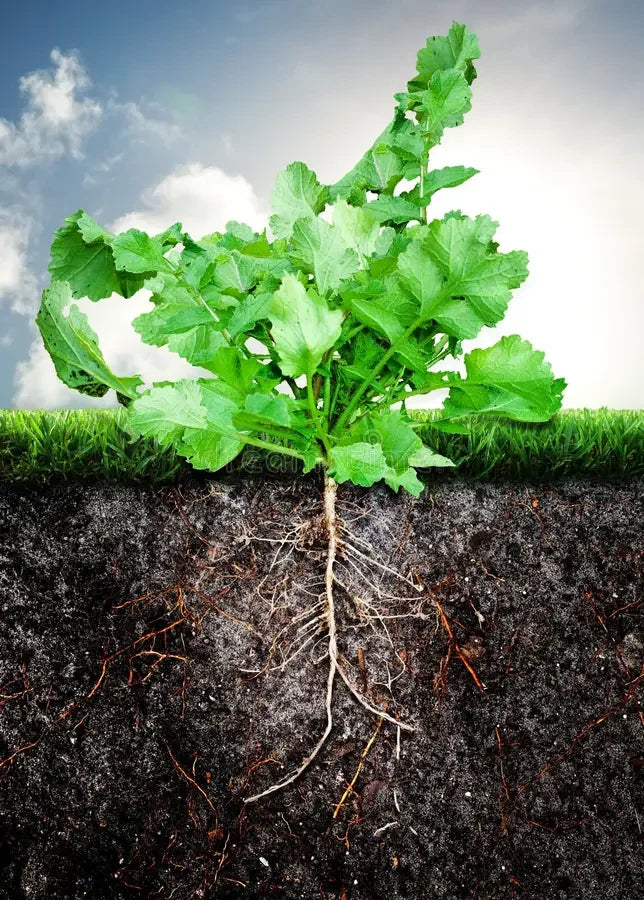
You know that moment in the garden center where you're standing in the fertilizer aisle, completely overwhelmed, and you just grab whatever's on sale and hope for the best? Yeah. I've been there.
There's a 20-pound bag of granules on one side. A bottle of liquid on the other. Both say they'll give you incredible plants. Both look equally confusing. And you've got a cart full of tomato starts that are counting on you to make the right call.
Here's what I wish someone had told me years ago: these two products work completely differently, and one of them can actually hurt your plants if you're not careful. (It's not the liquid one, I'll say that right now.)
Let me walk you through this the way I'd explain it to a neighbor over the fence — no jargon, no fluff, just the stuff that actually matters.
What's Actually Happening Underground
Before we get into the comparison, let's talk about what fertilizer is actually doing when you apply it. Because honestly — most of us skip this part and then wonder why our results are inconsistent.
How Granular Fertilizer Works
Granular fertilizers are basically little pellets or crystals that you scatter over your soil. Water activates them, and they slowly dissolve over days, weeks, or even months — depending on the formula.
Most of them (especially the synthetic kind) deliver three things: nitrogen, phosphorus, and potassium. That's it. NPK and done. The granules don't really do anything else — they just sit in the soil and slowly break down.
And here's the part that kind of shocked me when I first learned it: nearly two-thirds of the fertilizer you apply never even reaches your plants. It runs off with the rain, gets stuck in soil your roots can't reach, or — worst case — actively wipes out the beneficial microbes that were helping your plants absorb nutrients in the first place.
You're spending money to make your soil worse. That's a tough pill.
How Liquid Fertilizer Works
Liquid fertilizer skips the waiting game. It's already dissolved, so you dilute it in water, apply it at the roots or spray it on the leaves, and plants can start absorbing it within hours.
But the really cool part — at least with organic liquid fertilizers — is that you're not just delivering nutrients. You're delivering living biology. Beneficial bacteria and fungi that move into the root zone and start doing things no synthetic fertilizer can touch.

Take mycorrhizal fungi. These microbes essentially build a second root system for your plant underground — extending its reach up to 10 times further than the roots alone. Plants with a healthy fungal network absorb 20 to 30 times more nutrients than plants without one. That's not a marketing number. That's just soil science. (If you're curious, we wrote a whole post on the mycorrhizal network — it's wild.)
The Side-by-Side: What Actually Matters to You
Okay, let's get practical. Here's how liquid and granular stack up on the things you actually care about as a home gardener:
| What Matters to You | Liquid Fertilizer | Granular Fertilizer |
|---|---|---|
| How fast it works | Hours to days | Days to weeks |
| Risk of burning plants | Zero (organic liquid) | Real risk with synthetics |
| Safe for kids & pets | Yes (organic) | Often no (synthetic) |
| Number of nutrients | 50+ micro & macro | Usually just 3 (NPK) |
| Builds soil biology | Yes (microbial liquid) | No — often destroys it |
| Works for indoor plants | Yes, perfectly | Messy and hard to control |
| Ease of use | Dilute & water — done | Measure, spread, water in |
| Can you over-apply? | Very hard (organic) | Yes — and it hurts plants |
| Improves soil long-term | Yes | No — depletes over time |
I'll be fair — granular isn't useless for every situation. There are times it makes sense. But for the person growing vegetables, tending houseplants, or trying to get their flower beds to actually look good? Liquid wins almost every time.
Let's Talk About Fertilizer Burn (Because Nobody Warns You)
Ever had plants that looked totally fine one week and then showed up with brown, crispy edges the next — even though you'd been watering them? Fertilizer burn. It's more common than people realize, and it almost always comes from synthetic granular products.
Here's what's happening: synthetic granular fertilizers are basically concentrated salt. When they dissolve close to your roots, they cause something called osmotic stress — which is a fancy way of saying they pull water out of the roots instead of letting the roots absorb it. Your plant literally gets dehydrated from the inside, even if the soil is damp. It ends up looking like drought stress, which makes it really confusing to diagnose.
Indoor plant parents know this pain especially well. You're excited about your new monstera, you want to give it a boost, you maybe add a little extra... and a couple weeks later the leaves are half yellow and you're convinced you killed it. You didn't. But the granular fertilizer didn't help.
This is one of the things I love most about organic liquid fertilizer. It's already diluted. The nutrients are naturally buffered. There's no salt buildup. With Plant Juice, you genuinely cannot burn your plants — not because it's a gentle formula, but because the science of how it absorbs makes salt toxicity structurally impossible. If you've been dealing with mysterious yellow leaves or just generally can't figure out what's wrong with your plant, synthetic fertilizer burn is worth checking off your list first.

What Synthetic Granular Is Quietly Doing to Your Soil
This is the part most fertilizer companies don't want to talk about. Because if you understood what was happening underground, you'd probably switch immediately.
Healthy soil isn't just dirt. It's a living ecosystem — bacteria, fungi, nematodes, earthworms, protozoa, all working together to break down organic matter, release nutrients, fight pathogens, and keep plants fed. This invisible world is the whole reason some gardens just seem to thrive without much effort, while others struggle no matter what you do.
Synthetic granular fertilizers are hostile to that ecosystem. The high salt concentrations and pH swings that come with them kill off beneficial microbes. Every time you apply them, you're damaging the very thing that makes your soil work. Over time, nothing is left alive down there — so your plants become completely dependent on the next bag of fertilizer to survive. You're basically putting them on life support and calling it gardening.
This is why so many experienced gardeners shake their heads and say their soil "just isn't what it used to be." It's not age. It's years of synthetic fertilizer use. We get into all of this in our post on synthetic vs. organic fertilizers if you want the full picture.
Okay, When Does Granular Actually Make Sense?
I want to be fair here, because there are genuinely situations where granular has an edge:
Large lawn areas. If you've got half an acre of grass, running a hose around it every two weeks isn't realistic. A slow-release granular can cover that kind of ground with a lot less effort.
Organic amendments like bone meal or blood meal. These are different from synthetic granular fertilizers. Worked into the soil before planting, they can be great long-term nutrient builders — and they don't carry the same microbe-killing baggage.
Large established trees. For deep-root feeding of big mature trees, slow-release spikes or granules applied at the drip line can work well. The roots are deep and spread wide — liquid can't always reach them efficiently.
But vegetables? Flowers? Herbs? Houseplants? Raised beds? Containers? Liquid is the better choice across the board — faster results, less risk, and your soil actually gets healthier over time instead of more depleted.

What to Actually Look for in an Organic Liquid Fertilizer
Not all liquid fertilizers are created equal — so here's what I'd look for if you're shopping around:
Third-party verified microbes. Any product can slap "contains beneficial bacteria" on its label. What you want is actual numbers from an actual lab — verified species diversity, not vague marketing claims. Our Plant Juice has 291 species confirmed by BiomeMakers, an independent agricultural lab. That's the standard worth holding brands to.
A worm casting base. Worm castings are genuinely one of nature's most complete fertilizers — slow-release nutrition, natural plant hormones, balanced trace minerals, and rich microbial life, all in one. When a liquid fertilizer is brewed from worm castings, you're getting all of that in a fast-absorbing liquid form. Both Plant Juice and Bloom Juice are worm casting-based, which is not an accident. The science behind worm castings is genuinely fascinating if you want to go down that rabbit hole.
Organic certification. CDFA certification — that's the California Department of Food and Agriculture — is one of the most rigorous organic standards in the country. No synthetic inputs, period. Plant Juice is CDFA certified, which matters a lot to me personally as someone who started this company because I wanted safe products around my family. Here's how CDFA compares to OMRI if you're curious about the difference.
More than just NPK. Plants need calcium, magnesium, iron, zinc, manganese, copper — plus biological compounds like auxins and cytokinins that influence root growth and flowering. A fertilizer built on worm castings delivers all of this naturally. Synthetic granular gives you three things and calls it done.
What Gardeners Are Actually Saying
"Works like magic! After fertilizing my cucumbers the plants grew 4 inches in 2 days! Wow. Elm Dirt is my go-to."
"I am having neighbors coming over and they can't believe how big and great looking all my plants are. I will be getting more Plant Juice."
"The flowers are blooming like never before!"
Want to actually see a difference this season?
Plant Juice is our CDFA-certified organic liquid fertilizer with 291 verified beneficial microbial species. One 32 oz bottle makes 32 gallons of ready-to-use fertilizer — about 2,000 sq ft of coverage. Zero burn risk. 180-day money-back guarantee.
Try Plant Juice → $19.95 Or Try Bloom Juice for Flowers & Fruiting
Quick Reference: Which Fertilizer for What
Still not sure? Here's the short version based on what you're growing:
Houseplants: Liquid, always. Granular is a mess in pots, hard to dose correctly, and there's nowhere for excess nutrients to go — which means burn happens fast. Use a diluted organic liquid every 2–4 weeks during active growth. Our houseplant fertilizer guide walks through exactly how to do it without overdoing it.
Vegetable garden: Liquid during the growing season, especially once your plants start flowering and fruiting. That's when they need fast nutrition — not something that takes two weeks to dissolve. Our tomato fertilizer guide covers timing in detail, and our organic vegetable gardening guide covers the full season from seed to harvest.
Flower beds: Go with a bloom-specific liquid fertilizer. Bloom Juice is formulated with the microbial biology that helps plants set more buds and bloom longer — most gardeners notice a difference in 2–4 weeks. The Blooming Guide has timing tips by flower type if you want to get specific.
Raised beds: Start with worm casting-based soil, then maintain with liquid throughout the season. Raised beds are where liquid fertilizer really shines — total control over nutrition, no runoff waste. Our raised bed guide goes into detail.
Lawn: Probably the one place I'd say a combination approach makes sense. Granular slow-release for baseline coverage, liquid during peak growing season when you want faster response.

The Bottom Line
If you've been fertilizing regularly and your plants look fine but never quite great — this is probably the reason. Granular fertilizers, especially the synthetic kind, give your plants a temporary fix while slowly degrading the soil underneath. You end up on a treadmill where you need to keep buying more because nothing in the soil is actually alive and working for you anymore.
Organic liquid fertilizer — particularly microbial liquid fertilizer — is a completely different approach. You're feeding your plants fast and rebuilding the soil biology that makes plants genuinely resilient. Better roots. More efficient nutrient uptake. More drought tolerance. Bigger harvests. And because it's organic, your kids can run through the garden five minutes after you water and I won't lose a moment of sleep over it.
The comparison isn't really that close once you dig into it. For home gardeners who want real results without all the guesswork and worry, liquid wins.
If you want to see what living soil fertilizer actually does, give Plant Juice a try. We back it with a 180-day money-back guarantee — no hoops, no hassle. Just bring us your before-and-after photos, because they're always satisfying to see.
→ How to fertilize plants the right way
→ The complete houseplant fertilizer guide
→ 5 reasons to quit synthetic fertilizers for good
→ Beginner's guide to organic fertilizer
→ The complete liquid organic fertilizer guide
Questions We Get a Lot
Is liquid fertilizer better than granular?
For most home gardeners — yes, pretty clearly. Liquid absorbs faster, it's easier to apply without overdoing it, and when it's organic, you get zero burn risk plus soil biology benefits that granular simply can't match. Granular still has a place for large lawn areas, but for vegetables, flowers, and houseplants, liquid wins on almost every measure that matters.
Can granular fertilizer burn plants?
Yes — especially the synthetic kind. They're essentially concentrated salt, and when they dissolve near roots, they cause osmotic stress. You'll see it show up as brown leaf edges, wilting, or stunted growth. Organic liquid fertilizers like Plant Juice carry zero burn risk, even if you accidentally apply a bit more than the label says.
How often should I use liquid fertilizer?
It depends on the product and how actively your plants are growing. Most organic liquid fertilizers work well every 1–4 weeks during the growing season. With Plant Juice, you can actually dilute it even further and use it at every watering — there's no risk of overdoing it when you go lighter and more frequent. That approach almost always gets better results than occasional heavy doses.
Is liquid fertilizer safe for kids and pets?
Organic liquid fertilizers made from natural ingredients like worm castings are safe for kids and pets once the soil dries. Always check the label to be sure. Synthetic fertilizers — liquid or granular — often contain compounds that can irritate skin or cause harm if ingested, so they're worth keeping kids and animals away from. We have a full guide on pet-safe fertilizers if that's something you're thinking carefully about.
Does liquid fertilizer actually improve soil over time?
Synthetic liquid fertilizers? Not really — they just add soluble nutrients that get used up. But microbial organic liquid fertilizers absolutely do. Every application introduces beneficial bacteria and fungi that colonize your soil, break down organic matter, fix nitrogen from the air, and improve soil structure. Your soil genuinely gets better with every use. Read our soil health guide if you want to understand what you're actually building toward.